

Advertisements
Life rarely sends calendar invites for emergencies. With an Emergency fund 6-12 months strategy, you buy time and calm when layoffs, medical bills, or surprise repairs show up.
Imagine a cash cushion that covers rent, groceries, and essentials without swiping a card or raiding investments. That safety reserve turns chaos into manageable choices.
Start today with small, steady steps. Set a target, automate transfers, and park the money in a high-liquidity account so your safety net grows while you focus on living.
Advertisements
The importance of an emergency fund
A strong cash buffer turns crises into inconveniences.
An Emergency fund 6-12 months strategy gives you enough runway to cover essentials like housing, food, transport, utilities, insurance, and minimum debt payments without disrupting your life or selling investments at the worst moment.
Think of it as self-funded insurance that protects both your budget and your calm.
Start by calculating a realistic monthly burn rate. Separate must-have expenses from nice-to-have extras, then multiply that number by six to twelve to set a clear target.
Keep the money liquid and safe in a high-yield savings account or a money market fund, where it earns interest yet remains easy to access when you need it most.
Treat the fund as a core pillar of your plan, not an afterthought. Name the account “Emergency Only,” automate transfers on payday, and review the balance quarterly.
This routine keeps the cushion growing quietly in the background while you focus on everything else.
Why You Need an Emergency Fund
Life throws layoffs, medical bills, and urgent repairs without warning. Without a cushion, the fallback becomes credit cards, personal loans, or tapping investments, which can mean high interest, taxes, and losses.
With a dedicated reserve, you navigate shocks on your terms and avoid turning a setback into a debt spiral.
Risk profiles differ, so tailor the Emergency fund 6-12 months strategy to your situation. Dual stable incomes and strong job security may lean closer to six months.
Freelancers, single-income households, commission-based roles, or new parents often benefit from nine to twelve months. In uncertain industries or during economic slowdowns, aim higher for extra resilience.
Build in phases to keep momentum. First accumulate one month fast, then scale to three, then to six to twelve. Automate contributions, direct windfalls like tax refunds and bonuses, and increase transfers with each raise.
Set clear “use rules” such as job loss or major medical costs, then commit to replenishing the fund as a first priority after any withdrawal.
Key Benefits of an Emergency Fund
The most immediate payoff is peace of mind. Knowing you can cover months of bills reduces anxiety and improves decision-making, which is priceless when emotions run high.
You gain time to find the right job, negotiate better, or address a crisis thoughtfully rather than urgently.
A robust reserve helps you avoid expensive debt. Dodging double-digit interest preserves future cash flow and protects your credit profile.
It also shields your investment strategy, since you are less likely to sell assets in a downturn and lock in losses to pay for an unexpected expense.
Finally, a healthy buffer expands your options. You can relocate for a better role, take a short unpaid leave, handle family emergencies, or weather gaps between contracts.
Calculate the ideal amount for an Emergency fund 6‑12 months strategy
Your goal with an Emergency fund 6-12 months strategy is simple: buy time. The fund should cover essentials for a defined runway so you can make calm decisions during layoffs, illness, or surprise repairs.
A precise target starts with honest numbers and a multiplier that reflects your risk.
Begin by building a realistic monthly baseline, then stress test it with irregular costs. Finally, multiply that total by six to twelve months based on your situation.
This turns a vague savings wish into a clear, actionable number you can track and reach.
Assess Your Monthly Expenses
List only essential expenses you must keep paying even in a downturn. Include housing, utilities, groceries, transport, insurance, healthcare, childcare, minimum debt payments, and required taxes.
Add recurring subscriptions you cannot cancel quickly and any work or school costs that would continue.
Smooth out lumpy costs by converting them to a monthly average. Annual premiums, car maintenance, medical co-pays, and home repairs should be spread across twelve months.
Use three to six months of bank and card statements to calculate an average, create a lean budget that trims nice-to-haves, and account for expected changes like rent increases or expiring promotions.
Determine Your Ideal Savings Goal
Choose your runway using your risk profile. Dual stable incomes with strong job security often lean toward six months.
Freelancers, commission-based roles, single-income households, new parents, or anyone in a volatile industry benefit from nine to twelve. Dependents, health considerations, and a thin local job market also argue for a longer buffer.
Calculate the target with a simple formula: Target Fund = Monthly Essentials × Months.
If your lean monthly spend is 2,800 and you want nine months, your goal is 25,200. Keep the money in a high-yield savings account or money market for safety and liquidity, review the figure quarterly, and step up contributions as income rises.
Build in stages by hitting one month first, then three, then the full six to twelve so momentum stays high.
Best practices for saving effectively
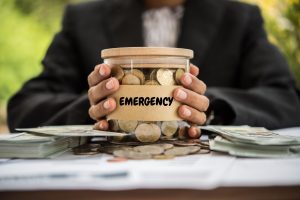
Saving effectively is crucial when building your emergency fund. To make the most of your savings, there are several best practices you can adopt. Start by setting specific savings goals.
This can motivate you and make your progress measurable.
One efficient method is to automate your savings. Set up an automatic transfer from your checking account to your savings account every payday.
This way, you prioritize saving before spending, which can help you consistently build your emergency fund.
Another important aspect is selecting the right savings account. Look for accounts that offer a high-interest rate while avoiding monthly fees. This maximizes your earnings and encourages you to save even more.
- Consider high-yield savings accounts.
- Check if there are any withdrawal limits.
- Look for accounts with no maintenance fees.
Additionally, track your progress regularly. Monitoring your savings can keep you motivated. Use budgeting apps or spreadsheets to see how close you are to reaching your target amount.
Another effective strategy is to cut unnecessary expenses. Review your monthly bills and find areas to reduce spending. Small adjustments, like canceling unused subscriptions or dining out less, can lead to significant savings over time.
Investment options for your Emergency fund 6‑12 months strategy
For an Emergency fund 6-12 months strategy, safety and access come first. You want places where cash is protected, easy to reach, and still earning something while it waits.
A smart approach usually mixes a highly liquid first layer with slightly higher-yield options for the months you are less likely to touch, so your buffer stays both dependable and productive.
High-Yield Savings Accounts
A high-yield savings account is the workhorse for immediate needs. It offers FDIC or NCUA insurance up to legal limits, same-day or next-day transfers, and a stable value that will not fluctuate when markets wobble.
Favor accounts with no monthly fees, simple online access, and fast payouts to your checking.
Watch for teaser rates that drop after a few months, confirm transfer limits, and set automated deposits on payday so the balance grows without micromanagement.
Money Market Accounts
Money market accounts at banks or credit unions can pay competitive yields while keeping your funds insured and relatively accessible.
Many provide debit or check access, which is helpful in a genuine emergency when you must pay a large bill quickly.
Some institutions still limit certain withdrawals or require higher minimum balances, so read the terms carefully and treat this as a secondary layer that complements your main savings account.
Certificates of Deposit
CDs can boost yield on the portion of your reserve you are least likely to touch for several months.
Traditional CDs lock funds until maturity and charge an early withdrawal penalty, which is acceptable only if the penalty is small relative to the extra interest you earn.
No-penalty CDs solve the flexibility problem by allowing withdrawals after a short lock-in period, making them a strong fit for the middle months of your runway when you still want safety and orderly access.
Treasury Bills and Short-Term Treasuries
Treasury bills and very short-term Treasury funds are backed by the U.S. government and are easy to buy in a brokerage account. They can offer attractive yields, minimal credit risk, and potential state tax advantages on the interest.
Prices can move slightly if you sell before maturity, so keep the earliest months in cash and use Treasuries for later months where a one to three month wait is acceptable.
Treasury-only money market mutual funds are another conservative option, although they are not FDIC insured.
Putting it all together
Segment your reserve so the first one to two months sit in a high-yield savings account for instant access. Place the next two to four months in a money market account for a little extra flexibility and yield.
Park the remaining months in no-penalty CDs or short-term Treasuries that you ladder by maturity, which keeps a chunk coming due regularly.
Name the accounts for emergencies, set clear rules for when you can tap them, and always refill the fund before resuming other financial goals.
This layered structure keeps your Emergency fund 6-12 months strategy liquid where it matters and efficient where it can be.
Common pitfalls to avoid when saving
When saving for your emergency fund, it’s important to be aware of common pitfalls that can hinder your progress. One major mistake is not setting a clear goal. Without a specific target, it can be easy to lose focus and motivation.
Another pitfall is neglecting to track your savings. Regularly monitoring how much you’re saving helps you stay committed.
Use a budgeting app or a simple spreadsheet to see where you stand. This visibility can be a great motivator to keep adding to your emergency fund.
Many people fall into the trap of dipping into their emergency fund for non-emergency expenses. It’s essential to remember that this money is meant for unexpected events only.
If you continuously withdraw from it, you may find yourself unprepared for real emergencies.
- Only use the fund for job loss, medical emergencies, or urgent home repairs.
- Avoid treating it like a regular savings account.
- Set boundaries on what constitutes an emergency.
Another common mistake is failing to build the fund gradually. People often expect to save a large amount quickly. However, starting small and increasing savings over time can lead to more sustainable progress. Consistency matters more than speed.
Finally, be cautious with temptation. Lifestyle inflation may cause you to spend more as you earn more, leaving little room for savings.
Resist the urge to increase spending when your income rises. Instead, commit to saving a portion of that increase to grow your emergency fund.
FAQ – Frequently Asked Questions about Emergency Funds
What is an emergency fund?
An emergency fund is a savings account set aside specifically for unexpected expenses like medical emergencies, car repairs, or job loss.
How much should I save in my emergency fund?
It’s recommended to save three to six months’ worth of living expenses in your emergency fund to cover unforeseen circumstances.
How can I build my emergency fund effectively?
You can build your fund by automating your savings, cutting unnecessary expenses, and choosing a high-yield savings account.
What common mistakes should I avoid while saving?
Avoid underestimating your needs, dipping into your savings for unnecessary expenses, and not tracking your progress regularly.