
Advertisements
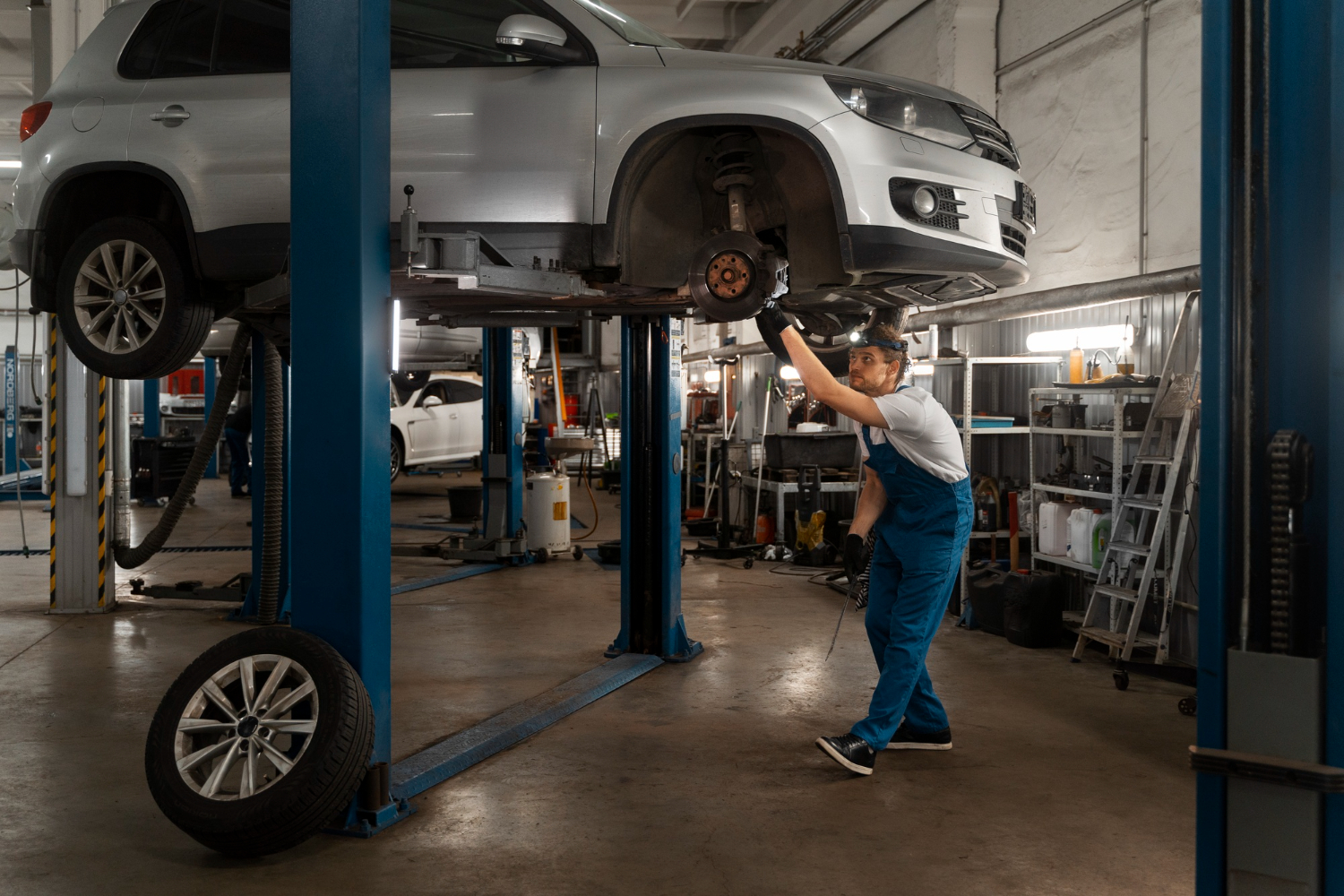
Repair cost spikes for advanced cars can be daunting for car owners, especially when the bills seem to come out of nowhere. As cars become more advanced, maintenance and repair costs are rising, leaving many wondering how to manage these unexpected expenses.
Understanding the causes behind these cost increases can help you stay ahead. From high-tech components to specialized repairs, advanced cars come with unique challenges that can strain your wallet.
But don’t worry, there are strategies to mitigate these costs.
Advertisements
Regular maintenance, being proactive about common issues, and opting for extended warranties can all play a significant role in managing repair expenses and reducing the impact on your car insurance.
Factors influencing repair costs
Repair cost spikes for advanced cars are influenced by several critical factors that every car owner should understand.
From the specific make and model to the complexity of the repairs, a variety of elements can determine how much you will pay when your car breaks down.
In this section, we will explore the key factors that drive up repair costs and how they specifically affect owners of advanced vehicles.
Make and Model
The make and model of your vehicle play a significant role in determining the cost of repairs. Advanced cars, particularly luxury or high-performance vehicles, are typically more expensive to repair than standard models.
This is due to the specialized parts they use and the need for experienced technicians to work on them.
For instance, foreign brands such as BMW, Audi, or Tesla may require parts that are more costly due to their rarity or because they need to be sourced from specific suppliers.
Additionally, luxury vehicles often have more complex features, such as advanced infotainment systems, which may also raise repair costs.
It’s also important to note that some models come with proprietary technology that can only be repaired using certain equipment, which further increases labor costs and repair time.
Complexity of Repairs
Another important factor is the complexity of the repairs needed. Some advanced cars have intricate systems that require skilled technicians to diagnose and fix issues. These complexities can lead to steep labor costs.
- Advanced safety systems;
- Hybrid or electric components;
- Specialized software diagnostics.
Besides the make and model and repair complexity, the availability of parts plays a crucial role in determining repair costs. If parts are in short supply, prices can skyrocket.
Dealers often charge higher prices for original parts, while aftermarket options may vary in quality and affordability.
It’s also worthwhile to consider the region you live in. Repair costs can fluctuate based on local market conditions and labor rates. Cities with a higher cost of living typically have increased repair fees.
Availability of Parts
Another factor influencing repair costs is the availability of parts. In the case of advanced vehicles, parts may not be readily available or may only be produced by a limited number of suppliers, which can lead to price increases.
The scarcity of these parts often leads to delays in repairs, and during periods of high demand, prices can skyrocket. For example, original equipment manufacturer (OEM) parts may be expensive, and dealerships often charge premium prices for them.
Alternatively, aftermarket parts might be more affordable, but they can vary in quality, which might not offer the same level of performance or reliability as OEM parts.
The cost of parts can also vary depending on where you live, as some regions have a more accessible supply chain for specific parts, which can help to lower repair costs.
Common expensive repairs for advanced cars
When it comes to advanced cars, there are several common expensive repairs that many owners may face. These repairs can be surprisingly costly, often catching owners off guard.
Knowing these potential issues can help you prepare for the unexpected.
One of the most costly repairs for advanced cars is related to the transmission. Whether it’s a complete rebuild or a replacement, the expenses can add up quickly.
Advanced vehicles often have more complicated transmission systems, making repairs time-consuming and expensive.
Engine problems are another significant concern. From head gasket failures to issues with fuel injectors, these repairs can be very costly.
The labor and parts required to fix engine issues can lead to bills that are hard to swallow.
- Timing belt replacements;
- Turbocharger repairs;
- Fuel pump replacements.
Brakes are crucial for safety, but advanced cars often come with high-tech brake systems. Repairing or replacing advanced braking components can be expensive, especially if sensors and electronic systems are involved.
Additionally, suspension repairs, which could involve replacing air suspension systems or control arms, can also be a financial burden.
Finally, electrical system repairs can be surprisingly expensive in advanced cars. Issues with wiring or electronic control units can require significant time and expertise to repair, leading to higher costs than many might anticipate.
Understanding these common expensive repairs can help car owners make more informed decisions.
How to mitigate repair cost spikes
Mitigating repair cost spikes for advanced cars requires a proactive and informed approach from car owners. While it’s impossible to entirely eliminate unexpected repair costs, there are several strategies that can help minimize the impact.
By staying ahead of potential issues, you can significantly reduce the likelihood of major, expensive repairs.
Regular maintenance plays a pivotal role in preventing these spikes, ensuring that minor problems are caught early before they become costly headaches.
Understanding Your Vehicle
One of the best ways to manage repair costs is by understanding your vehicle’s specific needs. Advanced cars, especially luxury or high-tech models, have unique components and systems that require tailored care.
Researching your vehicle’s common issues or consulting with your mechanic can provide valuable insights into what you should prioritize. For example, some advanced vehicles might require more frequent battery checks or software updates.
Understanding these needs allows you to stay ahead of potential problems and avoid being caught off guard by repair cost spikes.
Moreover, when you are aware of your car’s idiosyncrasies, you can more accurately determine whether a repair is necessary or if the issue is a symptom of something larger, thus preventing unnecessary costs.
Choosing the Right Mechanic
Choosing a trustworthy and experienced mechanic is essential for mitigating repair costs. Advanced vehicles often require specialized knowledge, so it’s important to select a mechanic who is familiar with the specific model and systems in your car.
A mechanic who specializes in high-performance or luxury vehicles can provide a more accurate diagnosis and identify issues that less experienced technicians might miss.
To ensure you’re getting reliable service, seek referrals from friends or family members who have had positive experiences.
Additionally, online reviews and certifications are useful tools for vetting potential mechanics.
Mechanics who are certified by reputable organizations are more likely to adhere to industry standards and offer fair pricing for their services.
By establishing a relationship with a qualified mechanic, you can ensure that your vehicle receives the proper care, helping to reduce the likelihood of expensive repair surprises down the road.
The importance of regular maintenance
Regular maintenance is crucial for the longevity and performance of advanced cars. By keeping up with routine service, you can avoid costly repairs that arise from neglected issues.
This proactive approach not only enhances your vehicle’s efficiency but also ensures your safety on the road.
One of the main benefits of regular maintenance is that it helps prevent expensive repairs. For instance, changing the oil regularly prevents engine wear and tear. Simple tasks like checking fluid levels can also spot potential issues early on.
Maintenance directly impacts your car’s performance. This includes checking tire pressure, aligning wheels, and maintaining the braking system.
These actions contribute to a smoother drive and better fuel efficiency. Regular tune-ups can also enhance engine performance.
- Oil changes every 3,000-5,000 miles;
- Tire rotations and alignments;
- Brake checks.
Another critical aspect of regular maintenance is the peace of mind it provides. Knowing you have taken care of your vehicle reduces anxiety while driving, especially on long trips.
You can trust that your car is in good condition and ready for the road ahead.
Additionally, having a well-maintained car can increase its resale value. A history of regular service shows potential buyers that the vehicle has been cared for, making it more attractive in the market.
Overall, understanding the importance of regular maintenance for advanced cars is key to enjoying road safety and enhancing vehicle performance.
When to consider extended warranties
Considering an extended warranty can be an important decision for car owners, especially if you own an advanced vehicle. Extended warranties provide additional coverage beyond the manufacturer’s warranty, which can help save significant costs on repairs.
If you’re aware that repair costs for your car are typically high, this is a good reason to consider an extended warranty.
Advanced cars often have complex technology that can lead to expensive repairs. An extended warranty can help cover these unexpected costs.
Your length of ownership is also a factor. If you plan to keep your vehicle for several years, an extended warranty can provide peace of mind. This is especially true if your car has a limited factory warranty that is about to expire.
Continue on our website and also read: Rate Stabilization in Car Insurance.
Paying attention to your car’s reliability ratings is crucial. If your model has frequent recalls or repair issues, an extended warranty can protect you financially. When considering whether to purchase one, think about your specific needs and driving habits.
Finally, exploring the different types of extended warranties available is essential. Some offer comprehensive coverage, while others might cover only specific components. Make sure to review the terms and conditions carefully to ensure it meets your needs.
When it comes to managing repair costs for advanced cars, understanding the importance of maintenance, recognizing common repair issues, and considering extended warranties are essential steps.
By being proactive, you can avoid unexpected expenses and keep your vehicle running smoothly. Taking care of your car not only helps prevent problems but also maximizes its value over time.
With these insights, you can drive with confidence, knowing you are prepared for whatever comes your way. Always remember that staying informed is key to maintaining your vehicle effectively.
FAQ – Frequently Asked Questions about Repair Costs for Advanced Cars
What are the common expensive repairs for advanced cars?
Common expensive repairs include transmission issues, engine problems, and advanced braking system repairs.
How can I mitigate repair cost spikes?
Regular maintenance, understanding your vehicle, and choosing a reliable mechanic can help prevent unexpected repair costs.
When should I consider an extended warranty?
Consider an extended warranty if you plan to keep your car long-term or if repair costs are typically high for your vehicle model.
What is the importance of regular maintenance?
Regular maintenance helps prevent costly repairs, improves performance, and extends the life of your vehicle.