
Advertisements
The Zero-Spend Challenge is an exciting and transformative way to rethink your spending habits. Have you ever considered how avoiding unnecessary purchases for a set period could dramatically change your financial future?
By focusing on essentials and cutting back on non-essentials, you could see significant changes in your savings, spending patterns, and overall financial awareness.
Let’s dive into the Zero-Spend Challenge and explore how it can work for you in 2025.
Advertisements
What is the zero‑spend challenge?
The zero‑spend challenge is a unique and effective way to reshape your spending habits. It encourages individuals to refrain from making unnecessary purchases for a specific period.
By committing to this challenge, participants can focus on their financial goals and learn the value of budgeting.
Understanding the Zero‑Spend Challenge
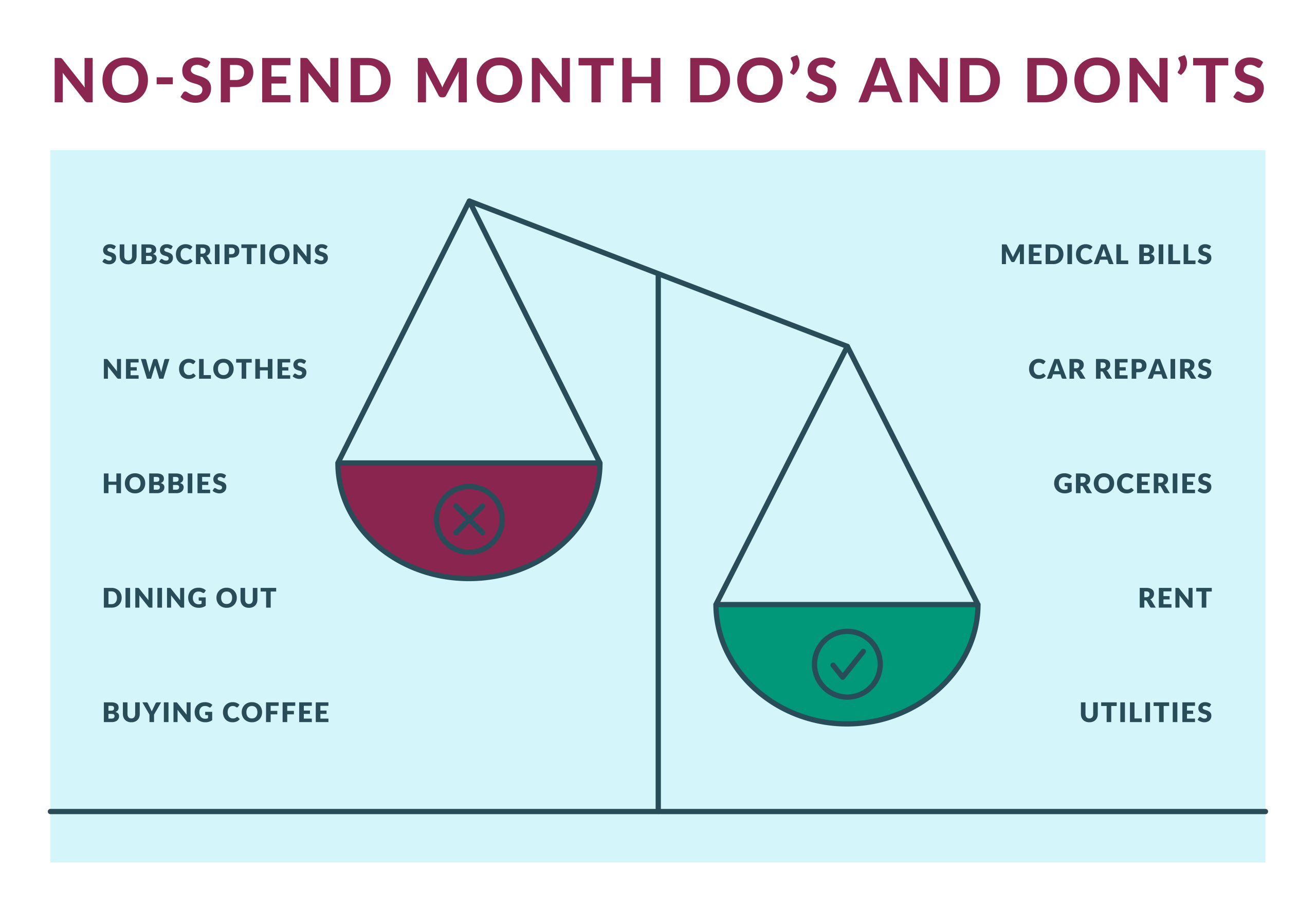
This challenge typically lasts for a month, though some people choose to extend it. During this time, participants only spend money on essentials, such as food, housing, and transportation.
The idea is to identify habits and triggers that lead to impulsive shopping.
Key Components of the Challenge
- A clear start and end date to maintain focus.
- Tracking expenses daily to understand spending patterns.
- Sharing experiences with friends or online communities for motivation.
- Setting specific financial goals to achieve by the end of the challenge.
Throughout the zero‑spend challenge, many individuals report feeling more aware of their spending habits. They notice how often they buy items they don’t need, and this awareness can lead to long-term changes in behavior.
Furthermore, the challenge promotes mindfulness and encourages participants to find joy in alternative activities that don’t involve spending money.
Potential Benefits of Participating
Many people find that participating in this challenge not only saves them money but also improves their overall relationship with finances.
By focusing on essentials, individuals often discover hidden expenses and areas where they can cut back. This practice can lead to increased savings, reduced stress, and a greater appreciation for what they have.
Benefits of participating in the zero‑spend challenge

Participating in the zero‑spend challenge offers numerous benefits that can positively impact your financial health. One of the most significant advantages is the opportunity to save money.
By avoiding unnecessary purchases, many individuals find that their savings increase significantly during the challenge.
Financial Awareness
This challenge encourages participants to become more aware of their spending habits. People often realize how frequently they spend on non-essential items.
This newfound awareness can lead to long-term changes in behavior that promote better financial decision-making.
Encouragement of Mindful Spending
Being part of the zero‑spend challenge promotes mindful spending. This means thinking carefully before making a purchase.
By pausing to consider whether an item is truly needed, participants often end up purchasing fewer items overall.
- Identify and eliminate unnecessary subscriptions.
- Pause and think before impulse buying.
- Focus on quality rather than quantity when spending.
Additionally, many people report feeling a sense of accomplishment after completing the challenge. This positive feeling comes from successfully sticking to a financial goal.
Completing the challenge can lead to increased confidence in managing finances effectively, which is a valuable skill to have.
Improved Saving Habits
Participating in the zero‑spend challenge often leads to improved saving habits. As individuals focus on saving rather than spending, they discover the joy of watching their savings grow.
This can inspire them to set future financial goals, such as saving for a vacation or paying off debts.
How to effectively commit to the challenge
Committing to the zero‑spend challenge requires focus and determination. It’s important to set clear intentions and define what the challenge means for you. Start by identifying essential expenses, such as groceries and bills.
Knowing what is necessary will make it easier to avoid unnecessary purchases.
Set Clear Goals
Create specific goals for your challenge. Write down what you hope to achieve, whether it’s saving a certain amount of money or developing better habits. Having clear goals provides motivation and a sense of direction.
Track Your Progress
Keeping track of your spending is crucial during the zero‑spend challenge. Use a journal or an app to record all your expenses. This practice allows you to see where your money goes and helps you stay accountable.
- Review your spending weekly.
- Adjust your goals if needed.
- Celebrate small wins to keep yourself motivated.
Involve friends or family for support. Sharing your commitment can create accountability and encouragement. Join online communities or social media groups focused on the challenge.
These platforms offer inspiration and ideas to help you stay on track.
Prepare for Challenges
It’s likely that you will face temptations during the challenge. Prepare yourself by identifying common triggers that lead to spending. Consider creating a plan to navigate these situations.
For example, if you tend to shop online when bored, find alternative activities to keep you occupied. This could be reading a book, going for a walk, or trying a new hobby.
Tips for success during the zero‑spend challenge

To ensure success during the zero‑spend challenge, it is essential to implement effective strategies. Start by preparing a comprehensive list of what constitutes essential expenses, such as food and housing.
This list will serve as a guide and help you avoid unnecessary spending.
Stay Organized
Keeping organized can greatly enhance your chances of success. Use a planner or digital app to track your expenses and set reminders for essential payments.
Being organized helps you see your financial progress and keeps you accountable.
Find Alternative Activities
During the zero‑spend challenge, it’s important to find free or low-cost activities that keep you engaged. Consider the following alternatives:
- Volunteer for a local organization.
- Explore parks or community events.
- Start a DIY project at home.
These activities not only keep you busy but also reduce the temptation to spend money.
Plan Your Meals
Meal planning is another key strategy for success. By preparing your meals in advance, you can save money on groceries and avoid impulse buys at restaurants or fast food.
Create a weekly menu and write a shopping list to help you stick to your budget. This can also encourage healthier eating habits.
Additionally, don’t neglect your emotional well-being during the zero‑spend challenge. It can be tough to resist the urge to shop for comfort.
Allow yourself to check in emotionally and seek support from friends or family. Sharing your journey can lighten your mood and keep you motivated.
Real-life success stories from participants
Real-life success stories from participants in the zero‑spend challenge provide inspiration and motivation for others considering this financial journey.
Many individuals have transformed their spending habits and, in turn, their lives through commitment to this challenge.
Case Study: Sarah’s Journey
Sarah decided to take the challenge after realizing she was living paycheck to paycheck. During her month of participating in the zero‑spend challenge, she focused on necessities only.
She found that cooking at home not only saved her money but also reignited her passion for cooking. By the end of the month, Sarah saved over $500 and discovered new recipes!
Success Story: Mark’s Transformation
Mark, a college student, took on the challenge to pay off his student loans faster. He tracked every expense, and through discipline, he avoided dining out and unnecessary shopping.
Mark reported that he felt empowered by sticking to his goal. He managed to save enough to make an extra payment on his loans, reducing his debt faster than he ever thought possible.
- Improved budgeting skills: Participants often report better budgeting habits after completing the challenge.
- Increased savings: Many save more than they initially estimated.
- Enhanced self-discipline: Participants become more mindful of their purchases.
Another inspiring story is that of Jessica, a mother of three, who engaged her kids in the challenge. Together, they found creative ways to spend time together without spending money.
They organized family game nights and went on nature walks, discovering the joy of activities that didn’t cost a dime. In the end, not only did Jessica save money, but she also built stronger connections with her family.
Conclusion: Take the Zero-Spend Challenge Today
The Zero-Spend Challenge is an eye-opening experience that can lead to better budgeting, improved savings, and a healthier relationship with money.
While the journey can be challenging, the benefits, such as increased financial awareness and reduced spending, are well worth the effort.
By committing to the challenge and following the steps outlined, you’ll be on your way to transforming your financial habits and building a stronger financial future.
For more tips on improving your finances, check out Johnson Financial Group – The No-Spend Month Challenge: The Ultimate Reset for Your Finances.
FAQ – Frequently Asked Questions about the Zero‑Spend Challenge
What is the zero‑spend challenge?
The zero‑spend challenge is a financial initiative where participants commit to not spending money on non-essential items for a specific period.
How can I track my progress during the challenge?
You can track your progress by using a journal or budgeting app to record your expenses and monitor your savings throughout the challenge.
What activities can I do during the zero‑spend challenge?
Participants can engage in free activities like volunteering, hiking, or hosting game nights at home to avoid spending.
Can the zero‑spend challenge help reduce debt?
Yes, by saving money on non-essentials, participants can use those savings to pay off debts more quickly.
Liked the article?