Advertisements
Medical evacuation coverage for remote areas ensures timely access to necessary medical assistance during emergencies, addressing the financial burden of transportation to medical facilities in challenging environments.
When it comes to unexpected health issues in remote locations, having medical evacuation coverage for remote areas could be a lifesaver.
Have you considered what would happen if an emergency occurred during your adventures? Let’s explore the essentials of this coverage.
Advertisements
Understanding medical evacuation coverage

What is medical evacuation coverage?
This coverage is designed for emergencies where local medical facilities are not sufficient to provide proper care. In such cases, it ensures transport to a hospital that can handle the situation.
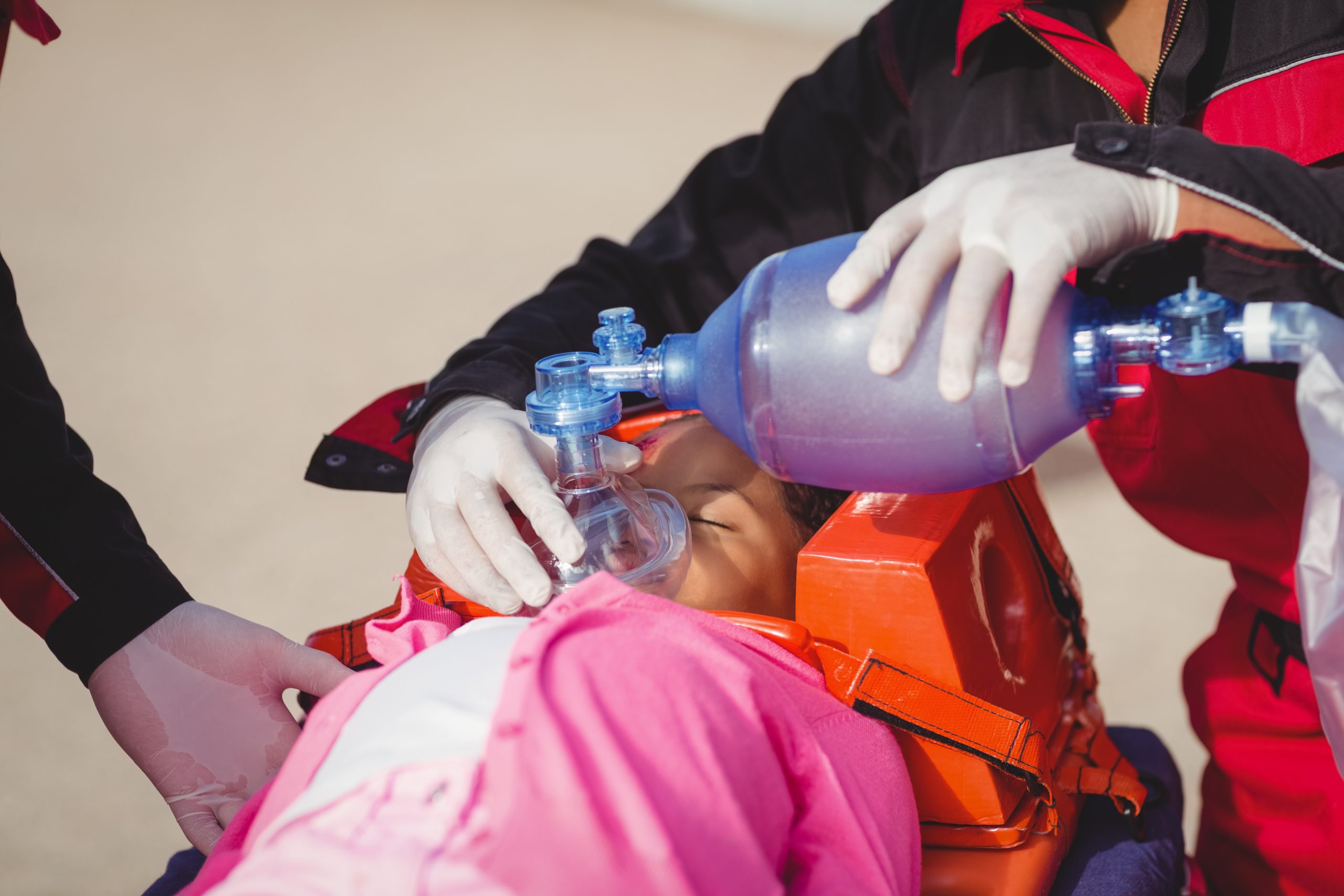
Medical evacuation can involve helicopters, air ambulances, or specialized ground transport. These services are critical when time is a decisive factor for survival.
In remote or high-risk locations, this type of coverage can be lifesaving. It bridges the gap between limited access and the urgent need for advanced medical treatment.
Why is it important?
Imagine you’re hiking in a remote location and experience a serious injury. Without medical evacuation coverage, the costs of getting you to a proper medical center can be astronomical. Here are some reasons why this coverage matters:
- Reduces financial burden during emergencies.
- Ensures timely medical treatment.
- Provides peace of mind while traveling.
Furthermore, knowing that you have medical evacuation coverage allows you to enjoy your adventures without added anxiety. You can focus on the experience, knowing help is just a call away.
Different plans exist, each with unique benefits. It’s essential to read the terms carefully. Some offer air transport, while others might provide ground transport or other services. Evaluate your needs based on the locations you plan to visit.
Ultimately, understanding medical evacuation coverage empowers you to travel smarter and safer, minimizing risks associated with remote travel.
Who needs coverage for remote areas?
Many people ask who truly needs medical evacuation coverage when traveling to remote areas. The answer includes a wide range of individuals who may face limited access to advanced healthcare.
Adventure travelers, hikers, climbers, and those visiting isolated regions are among the most common groups. Expats or workers in remote locations also benefit from having this type of protection.
Understanding who needs this coverage helps ensure safer travel experiences. Being prepared with the right insurance can make a critical difference in emergency situations.
Travelers and Adventurers
Individuals traveling to remote or hard-to-reach areas, such as hikers, campers, and mountain climbers, are among those who benefit most from medical evacuation coverage. These environments often lack immediate access to advanced medical care.
Whether trekking through forests or navigating rugged terrain, emergencies can happen unexpectedly. In such cases, evacuation services may be the only way to receive timely and adequate treatment.
Having this coverage acts as a financial and safety net. It ensures that, in critical situations, you can access proper care without facing overwhelming costs.
Remote Workers and Residents
People who work or live in isolated communities also need to consider medical evacuation coverage. In situations where medical facilities are miles away, being prepared can make a significant difference. For instance, many remote workers in industries like tourism or environmental research face unique risks.
- Those engaging in outdoor activities often encounter unpredictable elements.
- Remote workers may find themselves far from professional medical help.
- Residents in rural areas might lack immediate access to healthcare services.
Additionally, families planning vacations to remote destinations should ensure they have this coverage. Unexpected circumstances can arise, making it essential to prioritize safety.
Investing in coverage before traveling can offer peace of mind, allowing you to focus on creating memories instead of worrying about risks.
Ultimately, anyone visiting, working, or living in remote areas should give medical evacuation coverage serious consideration.
Key benefits of medical evacuation coverage
Understanding the key benefits of medical evacuation coverage is essential for safer travel, especially in remote areas. It provides access to emergency transport when local healthcare is not sufficient.
This coverage ensures you can be quickly moved to a properly equipped medical facility. In critical situations, fast evacuation can make a significant difference in outcomes.
Beyond medical support, it also protects you from extremely high transportation costs. Having this coverage offers both security and peace of mind during your journey.
Financial Protection
Quick Access to Care
Another significant benefit is quick access to necessary medical care. In remote places, especially where hospitals or clinics are hours away, time is of the essence. Having medical evacuation coverage ensures that you’re transported to an appropriate medical facility swiftly, minimizing any potential complications.
- Coverage gives you access to air transport.
- Ground transport options are also available.
- Timely evacuation improves health outcomes.
Moreover, knowing that you have medical evacuation coverage can provide peace of mind, allowing you to enjoy your adventures without fear of the unknown. You can explore new terrains confidently, knowing help is just a phone call away.
Finally, this coverage often comes with additional resources, like 24/7 emergency assistance hotlines. These resources can provide advice and support in the event of a medical emergency, making a stressful situation less overwhelming.
How to choose the right plan
Choosing the right medical evacuation coverage starts with understanding your specific travel needs. The destination, level of remoteness, and type of activities all influence the level of protection required.
High-risk adventures or isolated regions may require more comprehensive plans with higher coverage limits. It’s also important to check what types of transport and medical services are included.
By aligning the plan with your itinerary and risk level, you ensure better protection in emergencies. This preparation can make a critical difference when immediate care is needed.
Assess Your Travel Habits
Consider how often you travel to remote or high-risk areas when choosing medical evacuation coverage. Frequent travelers or outdoor enthusiasts may benefit from more comprehensive, long-term plans.
Activities like hiking, camping, or exploring isolated regions increase the likelihood of needing specialized emergency transport. In these cases, higher coverage limits and broader services are essential.
Understanding your travel habits helps you select a plan that truly fits your lifestyle. This ensures consistent protection and greater peace of mind during every trip.
Evaluate Coverage Options
Look closely at what each plan covers. Not all plans are created equal, and some may not include certain vital services. Here are key features to evaluate:
- Emergency transportation type (air or ground).
- Limits on coverage amounts.
- Availability of 24/7 emergency assistance.
- Coverage for pre-existing conditions if applicable.
Additionally, check if the plan covers your specific activities. For example, extreme sports may require additional coverage options. Understanding the specifics can prevent unpleasant surprises during an emergency.
Also, consider the provider’s reputation. Research customer reviews and ratings to gain insight into their service quality. Companies with strong customer support can be crucial during high-stress situations, as quick assistance can save lives.
Finally, don’t hesitate to ask questions. If something is unclear, reach out to the insurance provider. Knowing all the details will empower you to make the best choice for your safety.
Common challenges in remote medical evacuations
Understanding the common challenges in remote medical evacuations is essential for anyone traveling or living in isolated areas. These situations often involve complexities that go beyond standard emergency responses.
Limited infrastructure, difficult terrain, and unpredictable weather can delay rescue operations. In many cases, reaching the patient quickly becomes the biggest challenge, especially in areas without proper roads or nearby facilities.
Additionally, coordination between rescue teams, medical staff, and transport services can be complicated. Being aware of these obstacles helps travelers prepare better and highlights the importance of having proper coverage.
Limited Access to Medical Facilities
One of the main challenges in remote medical evacuations is the limited access to healthcare facilities. In many cases, the nearest hospital may be hours or even days away.
This distance makes it difficult to receive timely medical attention, especially in critical situations. Delays in care can worsen conditions and increase the risk of complications.
Because of this, rapid evacuation becomes essential in emergencies. Ensuring access to transport and proper coverage can significantly improve outcomes in remote areas.
Transportation Barriers
Transportation barriers also present significant issues. Rough terrains can hinder ground ambulances, and unfavorable weather conditions often delay helicopter evacuations. Here are some factors to consider:
- Geographic obstacles like mountains or rivers can block access.
- Severe weather can prevent flights from taking off.
- Road conditions may limit the type of vehicles that can navigate to the patient.
All of these factors can increase the time it takes for patients to receive essential medical care. Even with medical evacuation coverage, these natural barriers can contribute to delays that impact patient safety.
Another challenge includes communication issues. In many remote locations, connectivity can be weak or non-existent. This lack of communication can impede coordination between emergency responders and medical facilities, complicating the evacuation process.
Finally, financial considerations can be daunting as well. After an evacuation, costs can accumulate quickly.
Individuals may face high out-of-pocket expenses if they do not have the right coverage in place, making it essential to assess plans that include comprehensive medical evacuation options.
Real-life stories of medical evacuations
Real-life stories of medical evacuations highlight how critical this coverage can be in emergencies. They show how quickly situations can escalate when access to proper care is limited.
In many cases, individuals in remote areas faced serious health risks but were able to receive timely treatment thanks to rapid evacuation. These experiences underline the importance of preparedness and access to specialized transport.
Such accounts also reveal the logistical and financial challenges involved. Having the right coverage can make the difference between a manageable situation and a life-altering crisis.
Example 1: Hiking Accident
Example 2: Remote Work Emergency
A construction worker in a remote area experiences a heart attack. There are no nearby medical facilities, so time is critical.
The company had previously arranged for medical evacuation coverage. An emergency response team arrives, stabilizes him, and transports him to the nearest hospital safely and efficiently.
- Both stories emphasize how crucial timely intervention can be.
- Insurance made it easier to coordinate emergency help.
- Savings on medical costs due to having the right coverage.
Furthermore, these real-life scenarios underline the unpredictability of emergencies. No matter how careful you are, accidents can happen anywhere, especially in remote locations. Knowing you have coverage can provide peace of mind.
In summary, the stories illustrate how medical evacuation coverage is not just a policy—it’s a crucial safety tool that can save lives. Listening to accounts from those who have benefited reinforces its value for travelers and remote workers alike.
FAQ – Medical Evacuation Coverage
What is medical evacuation coverage?
Medical evacuation coverage is insurance that pays for the transportation of individuals to a medical facility during an emergency in remote areas.
Who should consider this coverage?
Travelers, remote workers, and anyone engaging in outdoor activities should consider medical evacuation coverage to ensure timely medical assistance.
What are some common challenges during medical evacuations?
Common challenges include limited access to medical facilities, transportation barriers due to terrain or weather, and communication issues.
How do I choose the right plan?
Evaluate your travel habits, the coverage options available, and research providers to find a plan that fits your specific needs and activities.