
Advertisements
Smart Home Devices can improve household safety while potentially helping homeowners qualify for insurance discounts. Technologies such as security systems, smart locks, smoke detectors, and leak sensors may reduce specific risks.
Insurers often consider preventive technology when assessing a home’s exposure to theft, fire, water damage, and other incidents. Devices that provide alerts or automatic responses can help homeowners react more quickly.
Understanding which technologies insurers recognize and how they affect risk can help homeowners make better decisions. Savings depend on the provider, policy, location, and specific devices installed.
Advertisements
Understanding Smart Home Devices
Smart Home Devices connect technology with everyday household functions such as security, climate control, lighting, and safety monitoring. Many can be controlled remotely through apps or connected platforms.
Security cameras can monitor activity, smart locks can manage access, and connected detectors can provide alerts when smoke, leaks, or other hazards are identified.
These features can make a home easier to monitor while supporting preventive action. Some insurance companies may recognize eligible devices when calculating discounts or policy benefits.
Types of Smart Home Devices
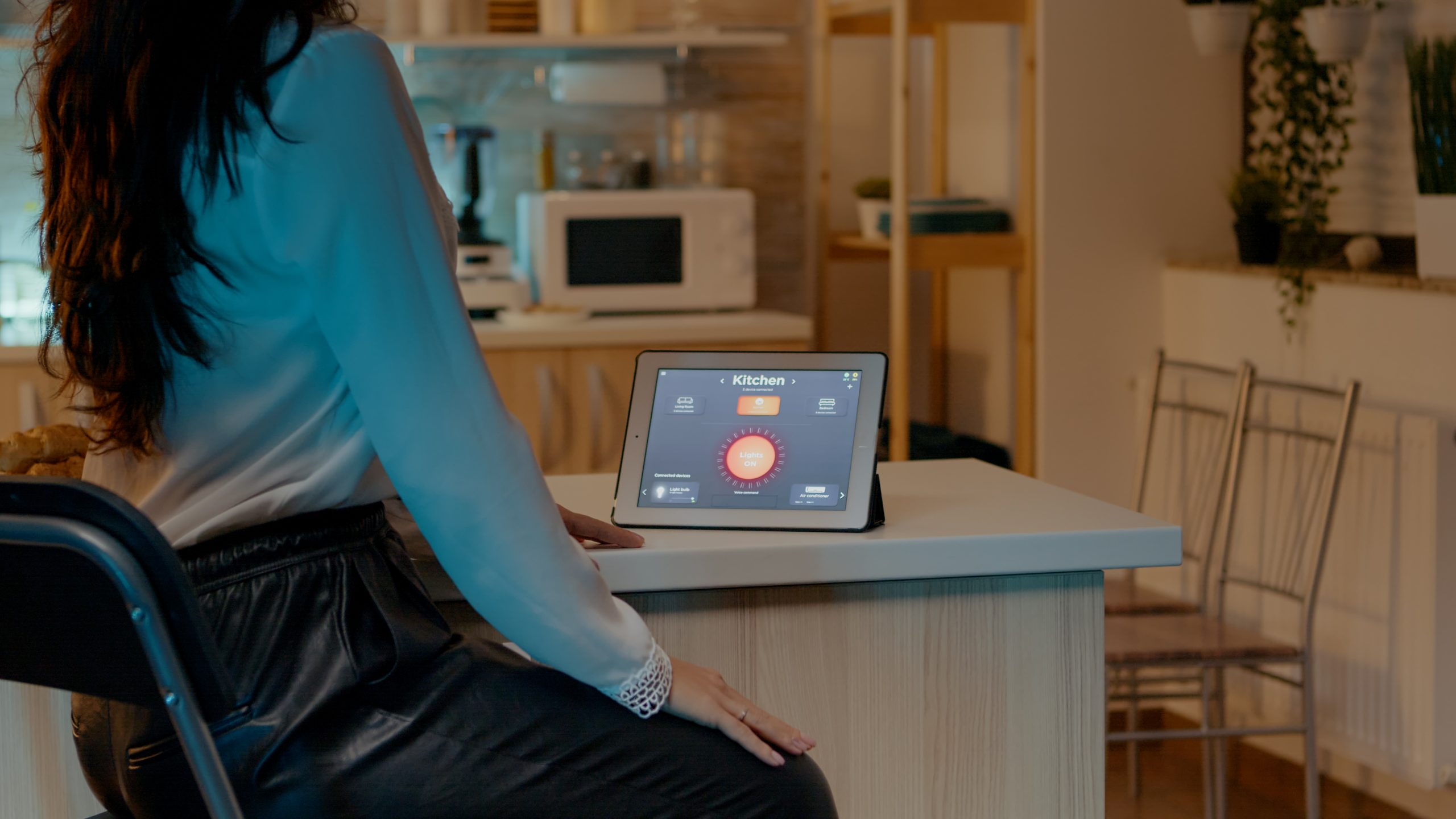
- Smart security cameras – Monitor your home in real-time.
- Smart locks – Manage access to your home from anywhere.
- Smart thermostats – Control heating and cooling for efficiency.
- Smart smoke detectors – Get alerts for potential fire hazards.
When choosing devices, compatibility and ease of use should be considered alongside security features. A system is more useful when homeowners can reliably monitor and manage it.
Insurance discounts may vary according to the type of device and the insurer’s requirements. Some providers may prioritize monitored alarms, smoke detection, or automatic shutoff systems.
Newer technologies may also include energy monitoring and environmental sensors. These features can expand the benefits of connected devices beyond security alone.
Benefits of Using Smart Home Devices
- Increased security – Protect your home from intrusions.
- Remote monitoring – Check on your home from anywhere.
- Energy efficiency – Save on power bills.
- Insurance discounts – Some insurers may offer lower premiums for eligible technology.
Connected devices can provide homeowners with greater visibility into what is happening inside and around their property. Alerts may allow problems to be addressed before they become more serious.
Automation can also improve convenience by controlling temperature, lighting, locks, and other household systems. These functions may contribute to both safety and efficiency.
For insurance purposes, homeowners should confirm directly with their provider which technologies qualify. Installing a device does not automatically guarantee a premium reduction.
How Smart Devices Reduce Insurance Premiums
Smart Home Devices may influence insurance pricing by reducing the likelihood or severity of certain incidents. Insurers generally base pricing on risk, claims exposure, and policy-specific factors.
A connected smoke detector, for example, can provide an immediate warning when smoke is detected. Early alerts may allow homeowners to respond faster and potentially limit damage.
Similar principles apply to security systems, water sensors, and automatic shutoff devices. By addressing risks earlier, these technologies can make preventive measures more visible to insurers.
Key Factors in Premium Reduction
- Real-time monitoring – Smart cameras and alarms monitor your property around the clock.
- Remote access – Connected controls can help homeowners respond to issues quickly.
- Data collection – Device information can provide insights into potential risks.
- Enhanced safety features – Automatic shutoffs may help prevent or limit damage.
Insurance companies may reward technologies that demonstrably reduce household risks. The specific discount depends on the provider’s underwriting rules and approved device categories.
Some systems offer more preventive value than others. A monitored alarm or automatic water shutoff may be viewed differently from a device focused mainly on convenience.
Homeowners should therefore compare the potential insurance benefit with the cost of installation. The largest value may come from combining safety improvements with everyday usefulness.
Insurance Provider Offerings
- Discounts for device installation – Some providers reduce premiums for approved devices.
- Bundled savings – Certain insurers may offer benefits for using multiple qualifying systems.
- Personalized policies – Coverage can sometimes reflect installed home technology.
- Annual reviews – Updating your insurer after adding devices may reveal additional options.
Insurance programs differ significantly between providers, so the same device may not qualify everywhere. Homeowners should review eligibility requirements before purchasing technology specifically for a discount.
Some insurers may require professional monitoring, specific certifications, or proof of installation. Keeping documentation can make it easier to verify eligible upgrades.
Reviewing a policy after installing new safety technology can help identify available savings. It can also ensure the insurer has an accurate understanding of the home’s risk-reduction features.
The Role of Data in Insurance Discounts
Data produced by Smart Home Devices can help homeowners understand potential risks more clearly. Some connected systems record alerts, environmental changes, and security events over time.
For insurers, relevant information may support a more detailed understanding of preventive measures within a property. However, how data is used depends on the provider and program.
Homeowners should also understand privacy terms before sharing device information. Not every insurance discount requires continuous access to household data.
How Data Influences Insurance Costs
- Risk assessment – Relevant information may help insurers evaluate household risks.
- Claims history – Fewer incidents and claims can influence future insurance costs.
- Preventive behavior – Connected systems may demonstrate proactive risk management.
- Monitoring alerts – Early notifications can help prevent damage from escalating.
A leak sensor, for example, can notify a homeowner before water damage spreads across a property. Responding quickly may substantially reduce the severity of an incident.
Likewise, connected smoke alarms and security systems can provide earlier warnings than traditional passive monitoring. This preventive value is one reason insurers may recognize certain technologies.
The impact on pricing is not universal, however. Homeowners should verify whether a provider actually uses device information when determining discounts or coverage benefits.
Benefits of Using Data from Smart Devices
- Personalized pricing – Some programs may consider more detailed household information.
- Enhanced safety – Real-time alerts help homeowners respond faster.
- Long-term savings – Preventing major losses can reduce household expenses over time.
- Proof of efforts – Device records may document preventive measures when relevant.
Data can provide useful evidence that safety systems are active and functioning. This may be helpful when an insurer requests proof of qualifying equipment.
Continuous monitoring can also benefit homeowners independently of insurance. Notifications about leaks, smoke, unusual activity, or temperature changes may reduce costly property damage.
Before connecting insurance programs with household technology, homeowners should review data-sharing terms carefully. Security and privacy should remain part of the decision.
Examples of Effective Smart Home Integrations
Connected devices can become more useful when they work together rather than operating independently. Automation allows one sensor or event to trigger another protective action.
A smart lock connected to a security system, for example, may automatically secure doors when occupants leave. Similar integrations can coordinate lighting, alarms, environmental sensors, and climate controls.
These combinations can improve convenience while creating additional layers of protection. Their insurance value depends on whether the integrated technology meets the provider’s requirements.
Popular Smart Home Integrations
- Smart thermostat and security cameras – Coordinate household settings according to activity.
- Smart lights and motion sensors – Activate lighting when movement is detected.
- Smart speakers and home security systems – Use supported voice commands for connected controls.
- Smart leak detectors and smart valves – Detect water and automatically stop the flow when supported.
Leak detection paired with an automatic shutoff valve is a particularly practical example. The system can respond quickly even when nobody is physically present at home.
A central smart-home hub can also coordinate multiple devices based on routines. Security systems, thermostats, lights, and locks can respond together when occupants leave or return.
Effective integrations should prioritize reliability rather than complexity. Automation is most useful when each connected action solves a clear household need.
Benefits of Effective Integrations
- Increased user convenience – Automates routine household actions.
- Improved safety – Provides faster responses to potential issues.
- Energy efficiency – Automated adjustments can reduce unnecessary energy use.
- Customizable solutions – Systems can be adapted to different household needs.
Integrated systems can reduce the number of manual actions homeowners must perform each day. This makes security and efficiency features easier to use consistently.
Automation can also improve response times during certain events. Sensors and connected devices may react immediately instead of waiting for manual intervention.
The most useful setup is one that matches the household’s actual risks and routines. Adding technology solely for complexity may provide little practical benefit.
Choosing the Right Smart Home Technology
Selecting Smart Home Devices begins with identifying the household problem you want to solve. Security, fire prevention, water damage, energy use, and convenience require different technologies.
Homeowners primarily concerned about security may prioritize cameras, monitored alarms, and smart locks. Those concerned about property damage may benefit more from smoke or leak detection.
Insurance eligibility should be checked before purchasing devices specifically for premium savings. Approved equipment and discount requirements differ between insurers.
Factors to Consider When Selecting Devices
- Compatibility – Confirm that devices work with your network and existing ecosystem.
- Ease of use – Choose technology that can be configured and managed reliably.
- Cost – Compare upfront costs with potential long-term benefits.
- Brand reputation – Consider reliability, security updates, and customer support.
Starting with a small number of devices can make setup and troubleshooting easier. Homeowners can expand the system after confirming that each component performs reliably.
Compatibility matters especially when devices come from different manufacturers. A disconnected collection of products may be harder to automate and maintain over time.
Future scalability should also be considered before purchasing. Systems that support additional sensors and integrations provide greater flexibility as household needs change.
Popular Smart Home Technologies
- Smart security systems – Include cameras, alarms, and sensors.
- Smart thermostats – Automate household heating and cooling.
- Smart lighting – Provides remote and automated light controls.
- Smart appliances – Add connected features to everyday household equipment.
Security and safety technologies are generally the most directly related to insurance risk. Devices focused mainly on convenience may offer fewer insurance-related benefits.
Energy-management systems can still provide household savings even when they do not affect premiums. A device can therefore deliver value through more than one channel.
The best technology is ultimately the one that addresses a genuine household need while remaining secure, reliable, and simple enough to use consistently.
Tips for Maximizing Your Insurance Savings
Installing qualifying Smart Home Devices is only one possible way to reduce insurance expenses. Policy structure, deductible levels, coverage, and provider discounts can also affect premiums.
Homeowners should ask insurers directly whether security cameras, monitored alarms, smart locks, smoke detectors, or leak-prevention systems qualify for discounts.
Reviewing policies periodically is equally important because coverage needs and available discounts can change. A combination of safety improvements and policy comparison may produce greater savings.
Strategies to Reduce Insurance Costs

- Bundle Your Policies – Combining home and auto insurance with the same provider may qualify for discounts.
- Increase Your Deductible – A higher deductible can lower premiums but increases out-of-pocket costs after a claim.
- Maintain a Good Credit Score – Where permitted, insurers may consider credit-based insurance information.
- Review Your Coverage Regularly – Make sure your policy continues to match your current needs.
Homeowners should also ask about discounts that are not automatically applied. Providers may offer different benefits depending on security equipment, customer history, or bundled coverage.
Documentation from installed devices can be useful when an insurer requires proof. Receipts, monitoring agreements, certificates, or installation records may help verify eligibility.
Comparing the actual premium reduction with equipment costs is also important. A discount should be considered alongside the broader security and convenience benefits of the device.
Additional Tips for Savings
- Participate in preventive maintenance – Regular upkeep can reduce the likelihood of preventable damage.
- Install security systems – Eligible monitored systems may qualify for discounts.
- Check loyalty discounts – Some insurers offer benefits to long-term customers.
- Shop Around – Compare premiums, deductibles, coverage, and available discounts.
Insurance pricing can vary substantially between providers even for similar coverage. Comparing quotes periodically can reveal opportunities that are not available under an existing policy.
Homeowners should compare more than the monthly premium alone. Deductibles, exclusions, coverage limits, and claim protections can significantly affect overall value.
By combining preventive technology with regular policy reviews, homeowners may improve both protection and potential insurance savings.
FAQ – Frequently Asked Questions about Smart Home Devices and Insurance Savings
How can smart home devices help reduce my insurance premiums?
Smart home devices such as security cameras, monitored alarms, smart locks, smoke detectors, and leak sensors can reduce certain household risks. Some insurance providers offer discounts for approved equipment, but eligibility and savings vary by policy and insurer.
What types of smart devices should I consider for my home?
Consider technology that addresses your main household risks, including smart security systems, smoke detectors, water leak sensors, automatic shutoff valves, smart locks, and connected thermostats. Check with your insurer if your main goal is qualifying for a discount.
Are there specific discounts I should ask my insurance provider about?
Yes. Ask about discounts for monitored security systems, smoke and fire detection, water leak prevention, automatic shutoff technology, bundled policies, and other approved safety upgrades. Each insurer establishes its own requirements.
What actions can I take to further maximize my insurance savings?
You can compare providers, bundle eligible policies, review coverage regularly, ask about available discounts, maintain preventive systems, and evaluate deductible options. Always compare the lower premium against any increase in your out-of-pocket responsibility.