
Advertisements
Smart home devices lowering insurance costs can help homeowners improve property protection and potentially qualify for insurance discounts. Security systems, smoke alarms, water leak detectors, and other connected technologies offer practical benefits, although savings depend on individual insurance policies.
Smart home devices lowering insurance costs are becoming an important consideration for American homeowners looking for practical ways to protect their properties and manage household expenses.
Connected security systems, water leak detectors, and monitored alarms can help identify potential threats before they develop into costly property damage or emergencies.
Advertisements
However, not every device qualifies for an insurance discount. Understanding insurer requirements is essential before investing in technology with the expectation of reducing homeowners insurance premiums.
Understanding Smart Home Devices
Smart home devices are connected technologies designed to improve household security, convenience, energy efficiency, and the monitoring of different systems within residential properties.
These devices may communicate through wireless networks or dedicated communication protocols, allowing homeowners to monitor equipment, receive notifications, and automate selected household functions.
The growing interest in smart home devices lowering insurance costs reflects the potential relationship between improved property protection, risk prevention, and insurance pricing.
Key Features of Smart Home Devices
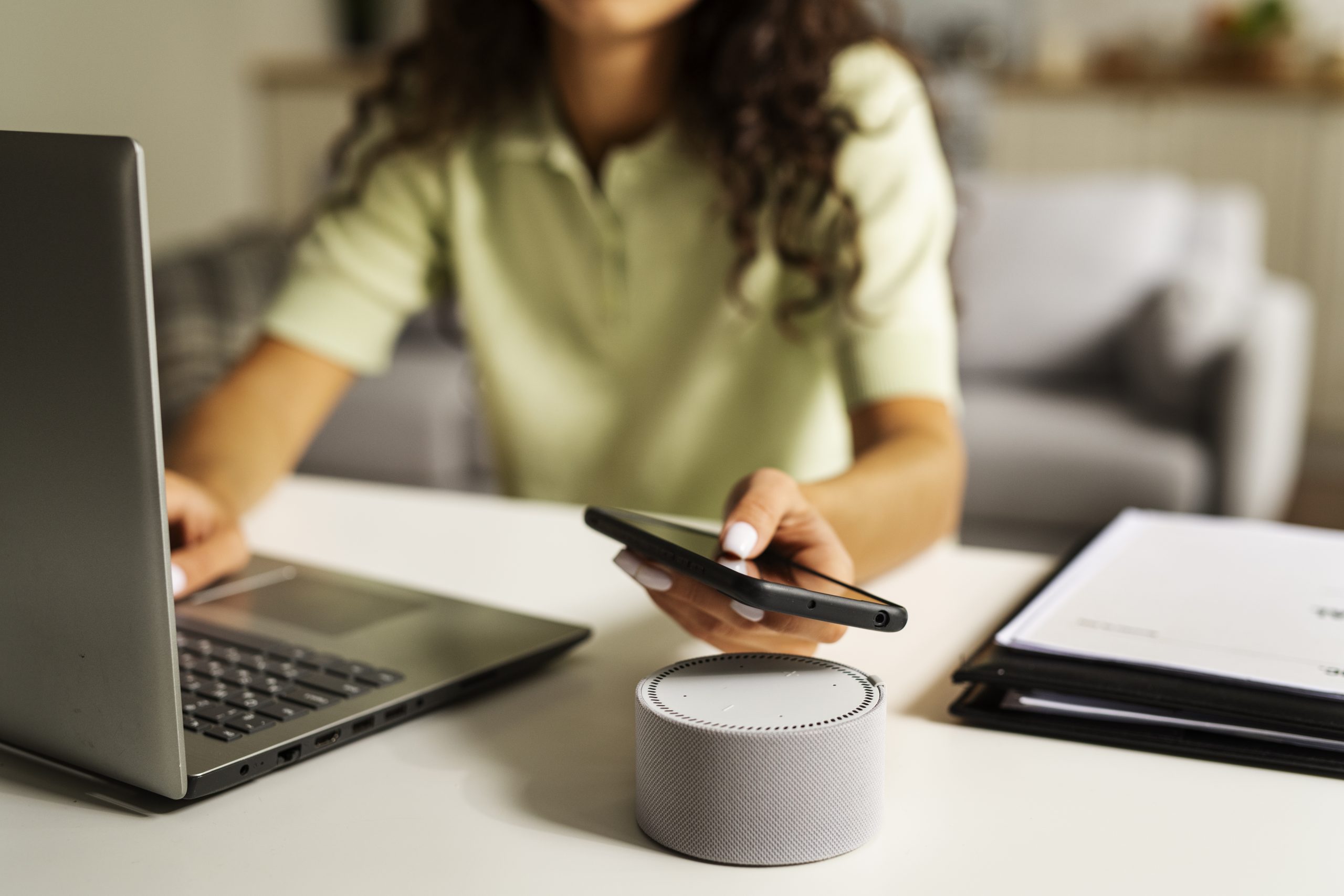
Connected devices can provide remote monitoring, automated scheduling, motion detection, environmental alerts, and other features that support everyday household management.
Security cameras and smart locks may improve awareness of property activity, while water sensors and connected alarms can help detect certain problems before they become more serious.
For homeowners interested in smart home devices lowering insurance costs, features related to fire prevention, theft detection, and water damage protection are especially worth discussing with insurers.
How Smart Devices Communicate
Many connected household devices use Wi-Fi, Bluetooth, Zigbee, Z-Wave, or compatible smart home platforms to exchange information and coordinate selected functions.
Voice assistants and mobile applications may provide additional control, although compatibility depends on the equipment manufacturer, supported communication standards, and specific system configuration.
Reliable connectivity is important because delayed notifications, disconnected sensors, or unsupported integrations can limit the effectiveness of devices intended to improve household safety.
How Smart Devices Reduce Risks
Smart home technologies can help identify potential property risks through monitoring, environmental detection, and automated alerts delivered to homeowners or designated monitoring services.
Early warnings may allow residents to respond to certain problems before damage becomes extensive, although connected devices cannot prevent every burglary, fire, or water leak.
The potential for smart home devices lowering insurance costs depends partly on whether an insurer recognizes particular protection systems as qualifying risk-reduction measures.
Advantages of Smart Security Solutions
Connected security systems may include motion detectors, door and window sensors, surveillance cameras, smart locks, and alarms designed to identify potential unauthorized activity.
Some systems provide professional monitoring, allowing designated services to receive alerts and follow established response procedures when specific security events occur.
Homeowners should distinguish self-monitored equipment from professionally monitored systems because insurers may apply different eligibility requirements when offering protective-device discounts.
Water Leak Detection and Damage Prevention
Water leak detectors can monitor areas near washing machines, water heaters, sinks, and other plumbing equipment where unexpected moisture could indicate a developing problem.
Advanced systems may connect with automatic shutoff valves that interrupt the water supply when qualifying conditions are detected, potentially limiting damage from certain plumbing failures.
These systems can be relevant to smart home devices lowering insurance costs, but homeowners should confirm whether their insurance provider recognizes the specific equipment or installation.
Smoke Detectors and Fire Safety Monitoring
Connected smoke alarms may provide notifications through compatible applications or monitoring services, helping residents become aware of potential fire-related emergencies.
However, smart notifications should supplement properly installed and maintained smoke alarms rather than replace essential fire safety equipment or established emergency procedures.
Insurance providers may recognize qualifying smoke detectors, fire alarms, and monitored protective systems when determining available discounts for eligible residential properties.
Energy Management and Household Safety
Smart thermostats can adjust heating and cooling settings according to selected schedules, household preferences, and the capabilities of compatible residential HVAC systems.
Appropriate temperature management may support energy efficiency and help homeowners maintain suitable indoor conditions during seasonal changes or temporary absences.
Nevertheless, smart thermostats do not automatically qualify for homeowners insurance discounts, and energy savings should be evaluated separately from insurance-related benefits.
Can Smart Home Devices Actually Lower Insurance Premiums?
Some American insurance companies offer discounts for qualifying home protection equipment, including burglar alarms, smoke detectors, fire protection systems, and other eligible safety technologies.
The National Association of Insurance Commissioners explains that insurers may offer lower premiums to homeowners who install qualifying protective devices within their properties.
However, smart home devices lowering insurance costs should be understood as a potential financial benefit rather than a guaranteed result for every homeowner or insurance policy.
What Insurance Regulators Say About Discounts
The National Association of Insurance Commissioners provides guidance explaining how protective equipment, household characteristics, coverage options, and other factors can influence homeowners insurance pricing.
Its official homeowners insurance guidance identifies burglar alarms, deadbolt locks, and other security equipment among measures that may qualify for discounts.
Homeowners should contact their insurance agents to determine which devices qualify, whether professional monitoring is required, and how any approved discount would be calculated.
Why Insurance Discounts Vary
Insurance premiums depend on several factors, including property location, replacement costs, coverage selections, claims history, deductible amounts, and applicable insurer pricing practices.
Protective-device discounts may also depend on the equipment installed, monitoring arrangements, policy eligibility, and specific insurance company requirements within individual states.
Consequently, smart home devices lowering insurance costs cannot be associated with one universal percentage or guaranteed annual savings amount across the United States.
Case Studies: Calculating Potential Insurance Savings
Evaluating connected home technology requires comparing the cost of eligible equipment with any insurance discount offered and the potential benefits of improved household protection.
Financial examples can illustrate this calculation, but hypothetical savings should not be presented as documented insurance outcomes experienced by actual homeowners.
The following scenarios demonstrate how smart home devices lowering insurance costs might affect household spending under different insurance pricing and installation assumptions.
Example 1: A Security System and Annual Insurance Discount
Consider a hypothetical homeowner paying $2,000 annually for homeowners insurance and receiving a confirmed 5% discount after installing qualifying security equipment.
The annual premium would decrease by $100, assuming the percentage applies to the full premium and no other pricing changes affect the policy.
If the security system costs $300, the simple equipment payback period would be approximately three years, excluding monitoring subscriptions, maintenance, and other expenses.
Example 2: A Water Leak Detection System
Suppose a homeowner purchases a $200 water leak detection system and receives a hypothetical annual insurance discount of $50 under an eligible policy.
At that savings level, the equipment would require approximately four years to recover its initial purchase cost through insurance discounts alone.
The system may also provide additional value by detecting certain leaks early, although avoided damage cannot be guaranteed or treated as a predetermined financial return.
Example 3: Evaluating Combined Protection Devices
Another household might install compatible smoke alarms, water sensors, and a monitored security system to address several different categories of property risk.
If the household spends $600 on eligible equipment and receives $120 in annual savings, the simple payback period would be five years before recurring costs.
These examples illustrate smart home devices lowering insurance costs without implying that the hypothetical discounts are available through every insurer or residential insurance program.
Choosing the Right Smart Home Technology
Selecting connected household equipment should begin with identifying existing safety concerns, property vulnerabilities, technical requirements, and the practical benefits homeowners expect to receive.
Properties with recurring plumbing issues may benefit from water detection equipment, while households prioritizing security may consider appropriate alarms and monitoring systems.
The most effective approach to smart home devices lowering insurance costs involves confirming insurer eligibility before purchasing equipment primarily for financial savings.
Assess Your Home’s Specific Requirements
Review important areas of the property, including doors, windows, plumbing connections, heating equipment, and locations where environmental monitoring could identify potential problems.
Consider which risks are most relevant to the property and whether existing protective systems already provide suitable monitoring or emergency detection capabilities.
Prioritizing genuine household needs helps prevent unnecessary purchases while supporting a more practical approach to residential safety and connected home technology.
Comparing Different Device Categories
Security cameras provide visual monitoring, while alarm systems may detect selected intrusion events and communicate with homeowners or professional monitoring services.
Water leak detectors focus on moisture-related problems, while connected smoke alarms and other approved safety equipment address different residential protection requirements.
Comparing these categories helps homeowners understand why individual devices cannot always replace one another or qualify for identical insurance incentives.
Budget Considerations
Initial device prices represent only part of the total investment because certain systems require installation services, replacement batteries, cloud subscriptions, or professional monitoring fees.
Homeowners should calculate these recurring expenses before assuming that a protective-device discount will recover the complete cost of the chosen technology.
For smart home devices lowering insurance costs, the most useful comparison considers actual insurer savings, ongoing equipment expenses, and the value of improved property protection.
Compatibility and Installation Requirements
Before purchasing connected devices, verify compatibility with existing wireless networks, smart home platforms, mobile applications, and any necessary monitoring or automation equipment.
Some devices may require professional installation or certification to qualify for specific insurance incentives, while others can be installed directly by homeowners.
Confirming these requirements in advance can help prevent unnecessary expenses or situations where installed equipment fails to qualify for the expected insurance benefit.
Insurance Companies and Smart Home Incentives
Insurance companies may use protective-device discount programs to encourage property owners to adopt eligible technologies associated with reducing the likelihood or severity of certain losses.
Some providers also collaborate with technology companies to offer connected home monitoring equipment, installation support, or benefits linked to specific insurance programs.
The relationship between smart home devices lowering insurance costs and insurer incentive programs depends on individual policy requirements rather than universal industry rules.
Understanding Protective-Device Discount Programs
Qualifying equipment may include smoke alarms, burglar alarms, monitored security systems, approved locks, and other protective devices recognized by participating insurance providers.
For example, Nationwide identifies smoke detectors, fire alarms, burglar alarms, and other qualifying equipment within its publicly described protective-device discount arrangements.
Actual discounts depend on policy eligibility, individual state rules, available insurer programs, and whether the installed equipment meets the provider’s requirements.
Collaboration With Technology Companies
Some insurers establish partnerships with connected home technology providers to make selected monitoring products available to eligible policyholders through specialized programs.
USAA, for example, describes a Connected Home program involving supported technology from participating providers and eligibility requirements that include compatible insurance arrangements.
Homeowners considering these programs should review equipment costs, data-sharing conditions, monitoring responsibilities, and any requirements for maintaining discounts throughout the policy period.
Documentation Required for Insurance Discounts
Insurers may request installation receipts, product information, monitoring certificates, service agreements, or other documentation before applying an eligible protective-device discount.
Homeowners should keep records of equipment purchases and confirm whether the insurer requires periodic verification that particular monitoring services remain active.
Accurate documentation supports a more organized approach to smart home devices lowering insurance costs and can help avoid misunderstandings concerning discount eligibility.
Tips for Maximizing Savings With Smart Devices
Connected household technologies provide the greatest practical value when homeowners use their monitoring features consistently and maintain equipment according to manufacturer instructions.
Regular testing, software updates, battery replacement, and appropriate notification settings can help support the continued operation of compatible safety and automation devices.
Maximizing benefits from smart home devices lowering insurance costs requires ongoing attention to equipment reliability and insurance requirements rather than relying exclusively on installation.
Utilize Energy-Saving Features
Smart thermostats can help manage heating and cooling schedules, particularly when households regularly adjust indoor temperatures according to occupancy and daily activities.
ENERGY STAR explains that certified smart thermostats undergo independent evaluation using real-world performance data, although actual energy savings vary according to climate and household conditions.
These potential utility savings should be evaluated separately from insurance discounts because improvements in energy efficiency do not necessarily reduce homeowners insurance premiums.
Combine Devices for Greater Efficiency
Compatible devices can support coordinated household routines, allowing selected lights, thermostats, locks, and other connected equipment to respond to established automation schedules.
For example, an evening routine could adjust indoor temperatures, turn off selected lights, and activate compatible security features when residents prepare to sleep.
However, automation routines should not interfere with emergency detection, safe temperature control, or other essential household functions that require dependable operation.
Maintain Devices and Review Notifications
Security equipment and environmental monitoring systems require periodic attention to ensure sensors remain connected, notifications function correctly, and batteries or power supplies operate as intended.
Homeowners should review manufacturer updates and test safety-related features according to applicable recommendations rather than assuming devices will operate indefinitely without maintenance.
Maintaining reliable equipment can support the practical benefits of smart home devices lowering insurance costs when continued functionality is part of insurer eligibility requirements.
Review Your Insurance Policy Before Renewing
Annual policy reviews provide opportunities to discuss available discounts, confirm protective-device eligibility, and compare insurance coverage options with competing providers.
Ask whether newly installed equipment qualifies for additional savings and whether existing discounts remain applicable after changes in monitoring arrangements or policy conditions.
Comparing total premiums and coverage provisions is important because a policy offering a larger percentage discount may not provide the lowest overall insurance cost.
Privacy and Cybersecurity Considerations
Connected home systems may collect information about household activity, equipment usage, security events, and other details that require appropriate protection and privacy management.
Some insurer-linked technology programs may involve additional information-sharing arrangements that homeowners should review before enrolling or activating connected monitoring services.
Understanding these responsibilities is important when evaluating smart home devices lowering insurance costs, particularly when discounts require continued participation in specific monitoring programs.
Protecting Smart Home Accounts
Use strong passwords, enable available multifactor authentication, and maintain updated device software to reduce preventable security vulnerabilities affecting connected household technology.
Review device permissions and avoid sharing administrative access with individuals who do not require responsibility for operating or maintaining the home’s connected systems.
These practices help support the confidentiality and reliability of household technology without guaranteeing protection against every possible cybersecurity incident.
Reviewing Data-Sharing Agreements
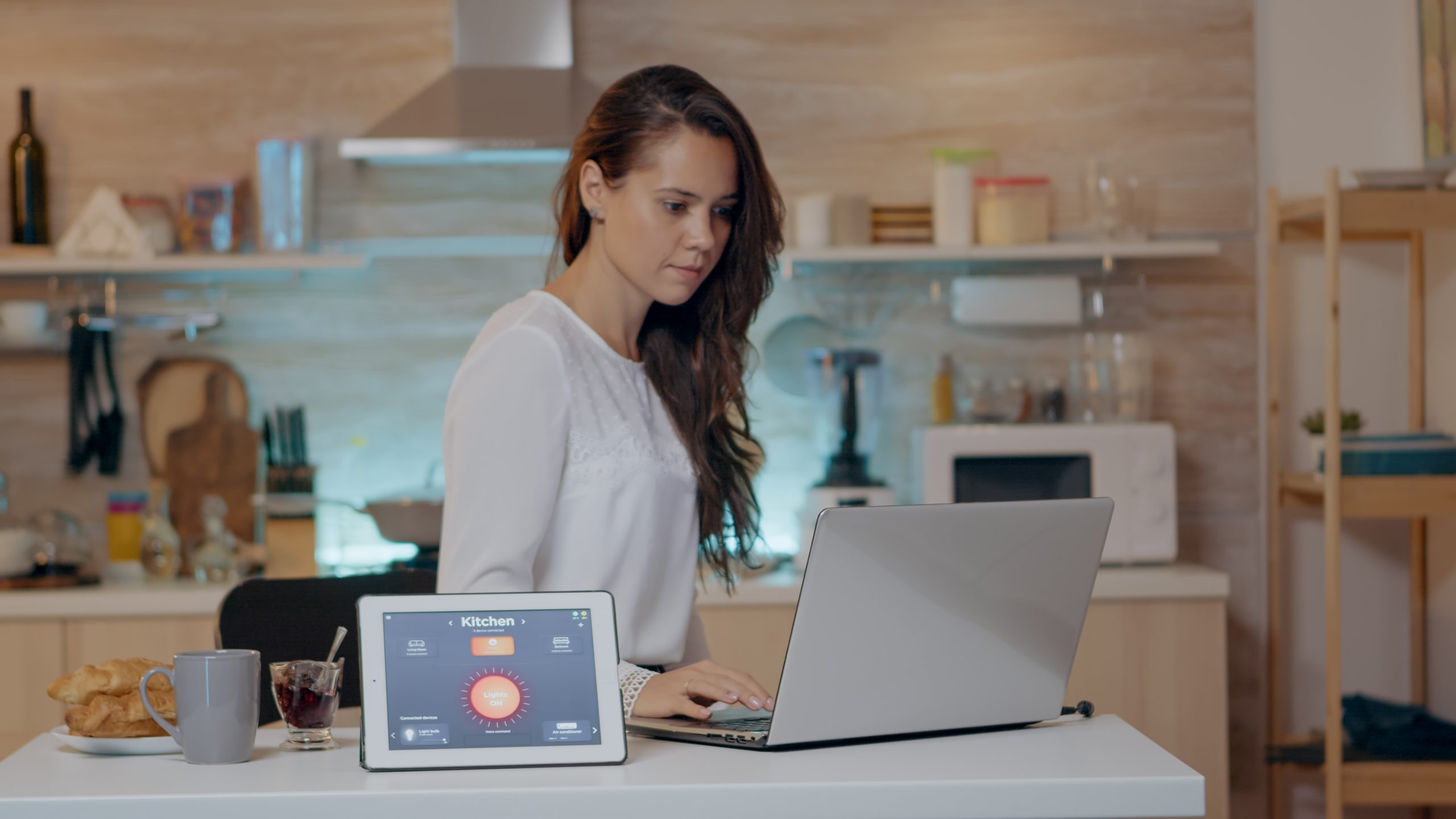
Some connected home insurance programs may require policyholders to authorize the collection or sharing of selected equipment information as a condition of receiving certain benefits.
Before participating, review the program’s privacy notice, eligibility rules, information retention policies, and available options for ending participation in connected monitoring arrangements.
Homeowners should weigh the value of potential insurance savings against any obligations involving personal information or continued use of designated devices and services.
Conclusion
Smart home devices lowering insurance costs can provide potential financial advantages when qualifying protective equipment meets the requirements established by participating homeowners insurance providers.
Security systems, smoke alarms, water leak detectors, and other connected technologies may also improve awareness of property risks, although financial savings and damage prevention are never guaranteed.
Before purchasing equipment, homeowners should confirm eligible discounts, compare total ownership costs, and select reliable technologies that address genuine household safety requirements.
FAQ – Frequently Asked Questions About Smart Home Devices and Insurance Savings
How can smart home devices help me save on insurance costs?
Qualifying protective devices may make homeowners eligible for insurance discounts. Availability and amounts depend on the insurer, policy conditions, equipment type, and installation requirements.
What types of smart devices should I consider for maximum savings?
Consider qualifying security systems, smoke alarms, and water leak detection equipment. Ask your insurance provider which products and monitoring arrangements meet its discount requirements.
Are discounts available for installing smart home technology?
Yes. Some insurers offer protective-device discounts or related incentives. However, installing smart equipment does not automatically guarantee a lower insurance premium.
How can I ensure my smart devices work together effectively?
Check compatibility with existing networks and smart home platforms. Keep software updated, review automation settings, and follow manufacturer instructions for installation and maintenance.
Do smart thermostats automatically reduce home insurance premiums?
No. Smart thermostats may support energy savings, but insurance discounts generally depend on specific insurer requirements and qualifying property protection features.
Can water leak detectors reduce property damage?
Water sensors may provide early warnings of certain plumbing leaks. Systems connected to automatic shutoff valves may also limit water flow under specified conditions.
Are professionally monitored security systems more likely to qualify for discounts?
Some insurers distinguish professionally monitored systems from self-monitored equipment. Confirm whether monitoring certificates or active service agreements are necessary for eligibility.
How much can I save annually on homeowners insurance?
There is no universal savings amount. The benefit depends on your insurer, qualifying equipment, base premium, available discounts, and applicable policy conditions.
Should I install smart devices only to receive an insurance discount?
Not necessarily. Compare equipment costs and ongoing fees with confirmed insurance savings, while considering the separate value of improved household protection and convenience.
Do smart home devices replace traditional home safety equipment?
No. Connected features should supplement properly installed smoke alarms, security measures, and other essential safety systems rather than replace established protective equipment.
Can smart home systems create privacy concerns?
Yes. Connected equipment may collect household activity information. Review privacy notices, secure device accounts, and understand any data-sharing requirements associated with insurer incentive programs.
Where can homeowners verify available insurance discounts?
Contact your insurance company or licensed agent directly. Request current eligibility requirements, approved device categories, documentation instructions, and an updated premium estimate.