

Advertisements
Emergency preparedness lowering insurance risks starts with effective planning, risk assessment, communication, and adequate insurance coverage.
Preparing for unexpected events can help homeowners, families, and businesses reduce disruption, protect assets, and respond more effectively during emergencies.
A strong strategy combines practical planning with regular reviews, training, local risk awareness, and a clear understanding of available insurance protection.
Advertisements
Understanding the importance of emergency preparedness
Emergency preparedness is important for homes and businesses because it helps reduce risks and improves the ability to respond during unexpected events.
Knowing what actions to take before a crisis occurs can reduce confusion and help protect people, property, and financial stability.
A structured plan also provides greater confidence, supporting the broader goal of emergency preparedness lowering insurance risks.
Why Prepare for Emergencies?

Preparing for emergencies means having clear procedures in place before an unexpected situation develops.
Knowing evacuation routes, emergency contacts, and available resources can reduce stress and improve coordination during a crisis.
Preparation also helps protect loved ones and valuable assets by making faster and more organized responses possible.
Key Benefits of Emergency Preparedness:
Emergency preparedness can strengthen personal safety while reducing unnecessary disruption during difficult situations.
- Enhanced safety for individuals and families.
- Fewer disruptions to daily life during crises.
- Lower insurance claims due to reduced damage.
- Greater community resilience in facing disasters.
Practical preparation may include first-aid supplies, evacuation knowledge, disaster-response training, and clear communication procedures.
Understanding local hazards such as floods or fires also makes it possible to adapt preparation efforts to the risks most relevant to the area.
How to identify potential risks in your area
Identifying local hazards is a fundamental part of effective emergency preparedness because different communities face different types of threats.
Assessing the surrounding environment helps determine which emergencies are more likely and what protective measures should be prioritized.
Local news, government resources, community information, and real-time alert systems can all contribute to a more accurate risk assessment.
Types of Risks to Consider
Potential emergencies may come from natural, technological, health-related, or public-safety threats.
- Natural disasters like earthquakes, floods, and hurricanes.
- Man-made accidents such as chemical spills or industrial incidents.
- Health emergencies including pandemics or widespread illnesses.
- Local crime rates and safety concerns that could affect you.
Community meetings and conversations with neighbors can provide additional information about risks that may not always be obvious.
Environmental changes and digital alert systems should also be monitored so emergency plans can be adjusted as local conditions evolve.
Creating an effective emergency preparedness plan
Creating an emergency preparedness plan provides clear guidance for responding quickly and consistently during a crisis.
The plan should reflect the types of emergencies that could realistically affect the household, workplace, or surrounding community.
Communication, evacuation, supplies, assigned responsibilities, and current local risk information should all be incorporated into the strategy.
Key Components of Your Plan
The first step is defining the scope of the plan and determining which emergencies require specific response procedures.
- Clear communication: Establish how family members will stay in touch during emergencies.
- Evacuation routes: Identify safe paths and predetermined meeting places.
- Emergency kits: Prepare survival kits with food, water, and essential supplies.
- Designate roles: Assign tasks to each family member for coordinated response.
Everyone involved should understand the plan through regular discussions, updates, and opportunities to review responsibilities.
Practice drills can reveal weaknesses in the strategy and help participants respond with greater confidence during an actual emergency.
Training your team for emergencies
Training helps ensure that family members or workplace teams can respond quickly and effectively when unexpected events occur.
Emergency training should address likely local hazards and provide practical skills that can be applied under pressure.
Regular practice reinforces procedures and supports emergency preparedness lowering insurance risks by reducing avoidable mistakes and damage.
Key Elements of Emergency Training
Basic safety instruction should begin with an understanding of the emergencies most likely to affect the area or organization.
- Regular drills: Conduct practice sessions for different emergency scenarios.
- Identifying roles: Ensure each team member knows their specific responsibilities during a crisis.
- Communication skills: Teach team members how to communicate clearly and efficiently during emergencies.
- First aid training: Equip team members with basic first aid skills, which can be critical in severe situations.
Interactive exercises, role-playing, and realistic simulations can make training more practical and easier to remember.
Training should also be reviewed and adjusted regularly as risks, team structures, and available community resources change.
Regularly reviewing and updating your preparedness strategy
A preparedness strategy should evolve because risks, household circumstances, business operations, and available resources can change over time.
Regular reviews help identify outdated information, new vulnerabilities, and opportunities to improve existing procedures.
Maintaining an updated strategy supports consistent readiness rather than relying on a plan that may no longer match current conditions.
Why Review Your Strategy?
Changes in local development, weather patterns, crime, infrastructure, or personal circumstances can affect which risks deserve the most attention.
- Stay informed: Keep up with community updates and guidelines regarding local risks.
- Incorporate feedback: Use insights from drills and actual events to improve your strategy.
- Adapt to new resources: Take advantage of new tools, apps, and information available for emergency planning.
- Engage your team: Involve family members or team members in discussions about updates.
A regular review schedule, such as an annual or bi-annual assessment, creates a consistent process for evaluating what works and what needs improvement.
Documenting changes and testing them through drills helps ensure that everyone understands their responsibilities when an emergency actually occurs.
Insurance considerations for emergency preparedness
Understanding insurance considerations is an important part of preparing financially for unexpected events.
Insurance can help cover certain losses after an emergency, but effective preparation also requires understanding policy limits, deductibles, exclusions, and coverage requirements.
Reviewing policies regularly supports emergency preparedness lowering insurance risks by helping ensure that protection continues to match current needs.
Types of Insurance to Consider
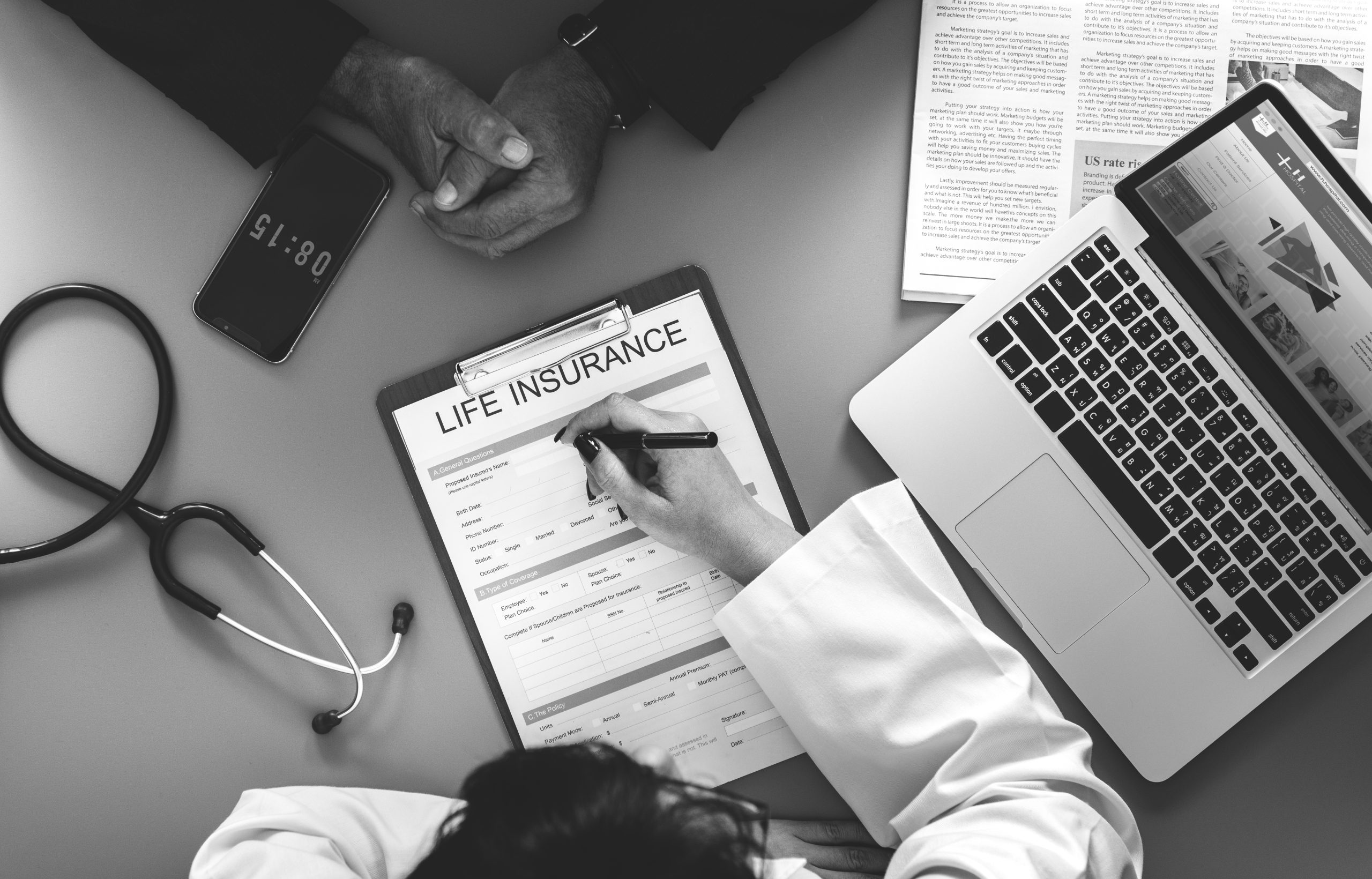
Different insurance products address different forms of financial exposure, so coverage should reflect the risks relevant to each household or business.
- Homeowners or renters insurance: This covers damages to your property from events like fire, theft, or some natural disasters.
- Flood insurance: Standard policies often exclude flooding, so obtaining separate flood coverage may be necessary if you live in a flood-prone area.
- Health insurance: Having adequate health insurance ensures that medical expenses from injuries during emergencies are covered.
- Business interruption insurance: This helps businesses recover lost income if operations are disrupted due to a covered event.
Policy reviews are important because changes in property, family circumstances, regulations, or business operations can alter coverage needs.
Keeping insurance documents, emergency contacts, and important records secure but accessible can also reduce delays and confusion during a claim.
Conclusion
Effective emergency preparedness combines planning, risk awareness, communication, training, insurance review, and regular updates.
These actions can help protect people and property while reducing disruption and improving the ability to recover after an unexpected event.
Maintaining a proactive strategy strengthens safety and supports the broader objective of emergency preparedness lowering insurance risks.
FAQ – Frequently Asked Questions about Emergency Preparedness
What is the first step in creating an emergency preparedness plan?
The first step is identifying the types of emergencies that could occur in your area and assessing the risks they may create.
How often should I review my emergency plan?
The source recommends reviewing and updating your emergency plan at least once a year or after significant changes in your circumstances.
Why is insurance important for emergency preparedness?
Insurance provides financial protection that can help cover eligible losses and damages resulting from emergencies.
What should I include in my emergency kit?
An emergency kit should include food, water, first-aid supplies, flashlights, batteries, and necessary personal items.