
Advertisements
Home insurance claims after natural disasters require quick reporting, detailed documentation, and clear communication with your insurer to support a smoother claims process.
Understanding your policy before a disaster occurs can make it easier to identify covered damage, exclusions, deductibles, and available benefits.
From documenting losses to working with an adjuster, following an organized process can help homeowners manage claims more confidently during stressful situations.
Advertisements
Understanding home insurance policies
Understanding your home insurance policy is an important first step when preparing for home insurance claims after natural disasters. Coverage can vary significantly between policies.
Knowing the limits, deductibles, exclusions, and additional protections included in your policy helps you understand what financial assistance may be available.
Reviewing the policy before an emergency also gives you time to ask questions and consider additional coverage if certain risks are excluded.
What is Home Insurance?

Home insurance provides financial protection for your home and belongings when covered damage occurs. It can also include liability protection for certain injuries on your property.
Different parts of a policy protect different types of property and expenses. Understanding these sections helps homeowners know where to look when reviewing coverage.
This knowledge becomes especially valuable when preparing home insurance claims after natural disasters, because the type of damage determines which coverage may apply.
Types of Coverage
Most home insurance policies contain several different forms of protection. Each one addresses a specific category of property, liability, or additional expense.
- Dwelling Coverage: Protects the structure of your home from various covered disasters.
- Personal Property Coverage: Covers belongings such as furniture and electronics against covered theft or damage.
- Liability Protection: Provides financial protection when certain injuries occur on your property.
- Additional Living Expenses: May cover certain living costs when a covered event makes your home uninhabitable.
Coverage limits and deductibles can differ between policies. Homeowners should read these details carefully instead of assuming every loss will be covered in full.
Additional endorsements or riders may also provide protection for valuables or risks that are not included in standard coverage.
Understanding Exclusions
Home insurance does not cover every type of damage. Policy exclusions define situations in which the insurer may not provide payment for a loss.
- Flood damage
- Earthquake damage
- Maintenance-related issues
Flood and earthquake losses are common examples that may require separate policies or endorsements. Maintenance problems are also frequently excluded.
Understanding these exclusions is essential before filing home insurance claims after natural disasters, because the cause of the damage can directly affect coverage.
Common natural disasters and coverage
Natural disasters can cause extensive property damage, but insurance treatment varies according to the type of event and the wording of the policy.
Some disasters may be covered under standard homeowners insurance, while others may require separate protection or additional endorsements.
Reviewing the risks common in your area can help you determine whether your current coverage is appropriate before a major event occurs.
Types of Natural Disasters
Different natural disasters create different types of damage. Understanding these distinctions can make it easier to evaluate insurance needs.
- Floods: Most standard home insurance policies do not cover flood damage, so separate flood insurance may be necessary.
- Earthquakes: Earthquake damage is commonly excluded from standard policies and may require additional coverage.
- Hurricanes: Wind and water can create different types of losses, making policy details especially important.
- Tornadoes: Windstorm coverage and applicable limits should be reviewed before severe weather occurs.
The risks that matter most depend partly on location. Homeowners in flood-prone, coastal, earthquake-prone, or tornado-prone areas may need additional protection.
Knowing these risks before a loss makes home insurance claims after natural disasters easier to understand when determining which part of a policy may respond.
Evaluating Your Coverage
Evaluating insurance coverage involves more than checking whether a certain disaster appears in the policy. Limits and deductibles can significantly influence the amount available.
- Policy limits for different types of coverage
- Deductibles that may apply
- Exclusions related to specific disasters
Homeowners should review coverage periodically as property values, belongings, construction costs, and local risks change.
Maintaining communication with an insurance agent can help clarify how the policy would apply if a disaster damages the home.
Steps to file a home insurance claim
Filing a home insurance claim after a disaster can feel complicated, particularly when homeowners are also dealing with damaged property and temporary disruptions.
Following an organized process can make communication with the insurer easier and reduce the possibility of overlooking important documentation.
The exact process can vary between insurers, but reviewing coverage, documenting damage, reporting the loss, and maintaining records are common steps.
1. Review Your Policy
Before filing the claim, review the relevant sections of your home insurance policy. Focus on coverage limits, deductibles, exclusions, and special conditions.
This can help you understand whether the type of damage appears to fall within the coverage described in your policy.
Reviewing the policy also prepares you to ask more specific questions when you contact your insurer about the claim.
2. Document the Damage
Take clear photographs and videos of damaged property as soon as it is safe to do so. Capture both wide views and close-up details.
Photographing the same area from several angles can help show the extent and location of the damage more clearly.
This evidence can support home insurance claims after natural disasters by giving the insurer a visual record of the loss.
3. Contact Your Insurance Company
Contact your insurer as soon as practical after discovering the damage. Many insurance companies offer claims hotlines or online reporting options.
Be prepared to explain when the event occurred, what type of damage happened, and whether any immediate safety or temporary housing concerns exist.
Early reporting allows the insurer to open the claim and provide instructions regarding documentation, inspections, and next steps.
4. Fill Out the Claim Form
Your insurer may provide a claim form requesting details about the property, damage, contact information, and circumstances surrounding the loss.
Complete the requested information carefully and accurately. Avoid guessing when information can be verified through documents or records.
Review the form before submitting it and keep a copy with the rest of your claim documentation.
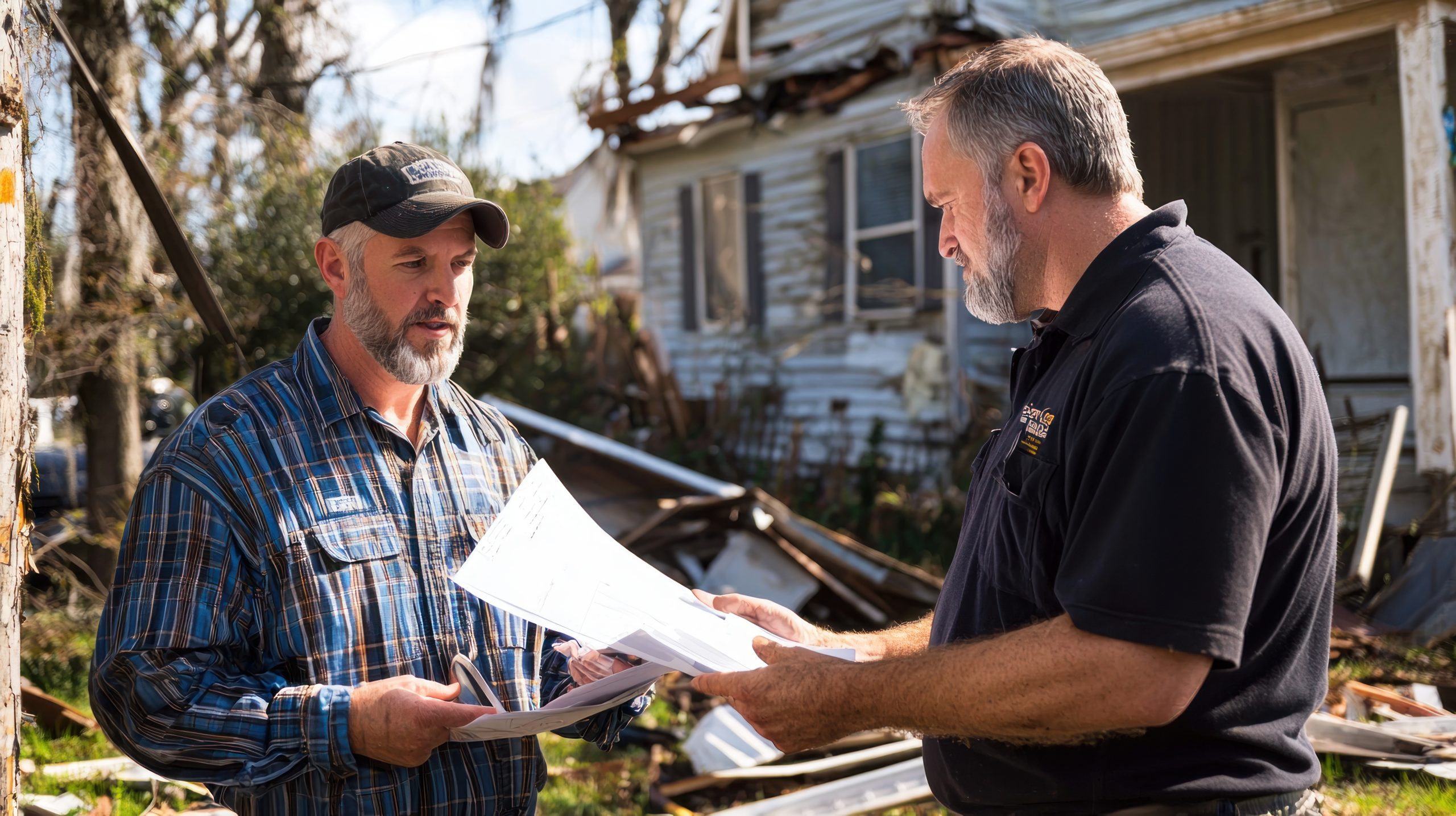
5. Meet with the Adjuster
After the claim is opened, an insurance adjuster may inspect the property and review the reported damage.
Provide access to affected areas when it is safe and share relevant photographs, videos, inventories, estimates, and receipts.
Being organized can make the adjuster’s review more efficient and help ensure that documented losses are not overlooked.
6. Keep Records
Keep copies of emails, letters, claim forms, estimates, receipts, and other documents exchanged during the claims process.
Notes from telephone conversations can also be helpful. Include dates, names, and a short description of what was discussed.
These records can become important if questions or disagreements arise later regarding your home insurance claim.
Documenting damage for claims
Detailed documentation provides evidence of the condition of your home and belongings after a covered event.
Photos, videos, inventories, receipts, and repair estimates can help the insurer understand the extent and financial impact of the damage.
Keeping this information organized can make home insurance claims after natural disasters easier to manage throughout the review process.
Taking Photos
Take clear photographs of all affected areas before making non-emergency repairs whenever it is safe and practical to do so.
Include wide photographs showing the overall area and close-ups showing specific damage to walls, roofs, furniture, appliances, or other property.
Good lighting and multiple angles can provide a clearer visual record for your insurer and adjuster.
Creating a Video
Video can supplement photographs by showing how damaged areas connect to one another and providing a broader view of the property.
Walk slowly through affected areas and describe what you are recording, including visible damage and damaged belongings.
Keep the original video available with the rest of your claim records so it can be provided if requested.
Making a List
Create an inventory of damaged or destroyed belongings. An organized list can help prevent items from being forgotten during the claim.
- The name and description of each item
- Approximate value or cost to replace
- Purchase date for reference
- Any serial numbers or receipts, if available
Receipts, photographs from before the disaster, credit card records, manuals, and serial numbers may help support information about individual items.
A detailed inventory can make discussions about personal-property portions of home insurance claims after natural disasters more organized.
Collecting Additional Evidence
Other documents can provide additional support for the claim, particularly when repairs or temporary expenses have already occurred.
- Receipts for repairs already made
- Quotes from contractors for needed repairs
- Witness statements if applicable
Keep invoices and estimates connected to specific areas of damage whenever possible. This makes the supporting evidence easier to review.
Store copies together in a secure location so the information remains accessible throughout the claims process.
Working with insurance adjusters
Insurance adjusters play an important role in the home insurance claim process because they inspect losses and evaluate documentation.
Preparing before an adjuster’s visit can make the inspection easier and help you clearly present the damage you have documented.
Homeowners should communicate accurately, provide supporting records, and continue following up as the claim progresses.
Understanding the Role of Adjusters
Insurance adjusters investigate claims on behalf of insurers. They review the circumstances of the loss and inspect reported damage.
They may also evaluate photographs, inventories, repair estimates, policy information, and other documents connected to the claim.
Understanding this role helps homeowners prepare relevant information before the inspection instead of relying only on verbal descriptions.
Preparing for the Adjuster’s Visit
Before the adjuster arrives, gather the evidence you have collected and organize it so important information is easy to locate.
- Photos and videos of the damaged areas
- Your list of damaged items with estimated values
- Any repair estimates or bills
Keep damaged areas accessible when safe and avoid discarding important evidence before determining whether the insurer needs to inspect it.
Preparation helps the adjuster understand the scope of your home insurance claim and review the documented damage more efficiently.
Communicating Clearly
Provide clear and accurate answers during conversations with the adjuster. Describe what happened without exaggerating or minimizing the damage.
If you have documentation that supports a particular loss, make it available and explain how it relates to the affected property.
If something about the claim process is unclear, ask questions so you understand what information is still needed and what happens next.
Follow Up
After the inspection, continue monitoring the claim and keep records of important updates from the insurer.
If additional information is requested, respond with the appropriate documentation and keep copies of everything you submit.
Regular follow-up can help you understand the status of home insurance claims after natural disasters and identify missing information early.
Tips for successful claims after disasters
A successful claim generally depends on timely reporting, good documentation, accurate information, and a clear understanding of the policy.
Staying organized throughout the process helps homeowners respond to requests and maintain a consistent record of the loss.
These practices can make home insurance claims after natural disasters easier to manage when several steps are happening at the same time.
1. Act Quickly
Report damage to the insurance company as soon as practical after the property is safe and immediate emergency needs have been addressed.
Policies may contain reporting requirements or other conditions that apply after a loss, so reviewing those terms is important.
Prompt reporting also allows the insurer to provide guidance about inspections, temporary repairs, and required documentation.
2. Thorough Documentation
Document the damage with photographs, videos, inventories, receipts, and other records that help establish what was affected.
- Use timestamps on photos when available for clearer documentation.
- Save receipts for repairs or temporary housing costs.
- Keep notes of conversations with your insurance adjuster and other contacts.
Organize documents by category or date so they remain easy to reference during conversations with the insurer.
Thorough evidence can strengthen home insurance claims after natural disasters by giving the insurer a more complete record.
3. Understand Your Coverage
Review the policy to understand which causes of loss are covered and which exclusions may apply to the event.
Flood and earthquake damage may require separate protection, while wind or other damage may be handled differently depending on the policy.
Knowing the applicable coverage also helps homeowners understand limits, deductibles, and possible additional living expense benefits.
4. Communicate Clearly
Maintain clear communication with the insurance company throughout the claim. Respond accurately when information is requested.
Ask questions about deadlines, documentation, inspections, and decisions that you do not understand.
Keeping communication professional and organized can make it easier to track what has happened throughout the process.
5. Keep Records and Receipts
Save receipts for covered expenses that arise after the disaster, including eligible temporary repairs or additional living costs.
Keep copies of correspondence, estimates, photographs, inventories, claim forms, and other documents connected to the loss.
A complete record gives you a clear history of your home insurance claim if questions arise later.
6. Be Honest and Accurate

Provide truthful and accurate information about the circumstances of the loss, the damaged property, and the estimated value of affected items.
Avoid exaggerating damage or including property that was not affected. Incorrect information can create significant problems during the claim review.
Accuracy supports a clearer evaluation and helps keep home insurance claims after natural disasters focused on documented losses.
Conclusion
Navigating home insurance claims after a natural disaster can be difficult, but preparation and organization can make the process easier to manage.
Understanding coverage, documenting damage, keeping records, and communicating clearly with the insurer and adjuster are central parts of the process.
Acting promptly while remaining accurate and organized can help homeowners navigate home insurance claims after natural disasters and move toward repairs and recovery.
FAQ – Common Questions About Home Insurance Claims After Natural Disasters
What should I do immediately after a disaster occurs?
Document the damage with photos and videos when it is safe to do so, protect the property from additional damage when appropriate, and contact your insurance company to report the claim.
How can I ensure I get a fair settlement from my insurance company?
Maintain detailed documentation, review your policy, provide accurate information, keep records of communication, and ask questions when you do not understand the insurer’s evaluation.
What types of damage are typically covered by home insurance?
Coverage varies by policy and cause of loss. Standard policies may cover certain fire, wind, theft, and vandalism losses, while flood and earthquake damage commonly require separate coverage.
Do I need to hire a public adjuster for my claim?
A public adjuster is not required for every claim. Some homeowners may consider one for complex or disputed claims, but fees, licensing, and contract terms should be reviewed carefully.