
Anúncios
Inflation-driven claims surge is reshaping how insurers, businesses, and even households manage unexpected costs. Behind the headlines, it reflects a reality where everyday risks become more expensive to cover.
Rising repair bills, higher healthcare expenses, and steeper replacement costs are pushing claims to unprecedented levels. This shift places added pressure on companies and consumers already navigating tighter budgets.
For many, the ripple effect is clear: premiums climb, savings shrink, and financial planning grows more complex. Understanding this trend is key to preparing for the challenges it brings to modern life.
Understanding inflation-driven claims surge
To truly understand inflation-driven claims surge, it is important to see how inflation reshapes the entire claims landscape. When the cost of goods, services, and labor rises sharply, even small incidents can become financially overwhelming for individuals and businesses.
This leads to a scenario where insurance requests and compensation demands grow both in number and in size. The surge reflects more than just higher prices, it reveals how inflation magnifies risks and makes financial protection harder to sustain.
For insurers, this trend translates into larger payouts and tighter margins. For households, it means struggling to cover unexpected expenses that once seemed manageable.
From repairing a vehicle after a minor accident to covering medical bills, every aspect of daily life feels the pressure of inflation.
Recognizing this dynamic is the first step toward understanding how deeply inflation alters not just personal budgets but also the broader economy.
At the same time, governments and regulators are forced to respond with new policies or oversight to prevent instability in the insurance market.
This adds another layer of complexity, showing how a claims surge becomes not only a private issue for companies and families but also a matter of public concern that requires coordinated solutions.
What Causes Inflation-driven Claims?
The roots of inflation-driven claims surge lie in a combination of economic and social factors that interact with one another. One of the most visible drivers is the continuous rise in costs, from raw materials to labor wages.
A car accident that once required an affordable repair now demands thousands of dollars because parts and services have become significantly more expensive.
The same applies to healthcare, housing, and consumer goods, where inflated prices push people to seek reimbursement more often.
Another element is the growing awareness among consumers about their rights and insurance coverage. As people become better informed, they are more willing to demand compensation rather than absorb financial losses themselves.
This increased knowledge leads to more frequent claims, adding pressure to insurers who must balance rising payouts with financial sustainability.
Finally, economic uncertainty amplifies the problem. During periods of instability, individuals and businesses turn to claims as a safety net against unpredictable costs.
When inflation combines with market volatility, it creates an environment where seeking compensation feels like the only available defense.
This convergence of rising costs, greater consumer assertiveness, and unstable conditions explains why claims are soaring and why their impact extends far beyond individual cases, shaping broader debates about economic resilience and financial security.
The Impact on the Car Insurance Market
One of the sectors most visibly affected by the inflation-driven claims surge is car insurance. Rising repair costs, expensive replacement parts, and higher labor rates have significantly increased the average value of claims.
In the United States, the average annual cost of full coverage reached $2,678 in 2025, up from $2,543 in 2024, marking a 12% rise since 2024.
What once might have been a routine repair, such as fixing a bumper or replacing a windshield, now translates into far higher expenses for insurers, who are forced to absorb or pass on these costs to policyholders.
This inflationary pressure does not only raise premiums but also reshapes the competitive dynamics of the market. Insurers must strike a delicate balance between keeping policies affordable and maintaining profitability.
As more consumers feel the weight of rising premiums, many begin shopping around for alternative coverage, increasing churn rates and putting additional pressure on insurers to innovate.
Flexible pricing, usage-based insurance models, and digital claims management are among the strategies companies adopt to adapt to this evolving landscape.
At the same time, the frequency of claims has not declined. With vehicles remaining essential for mobility and daily life, consumers continue to rely heavily on car insurance to manage financial risks.
This creates a cycle where rising costs lead to higher premiums, which in turn influence consumer expectations and behavior.
For insurers, the challenge lies in maintaining trust and transparency while navigating an environment where every claim is more expensive, and every customer is more cost-sensitive.
How Inflation-driven Claims Surge Shapes Consumer Behavior?
The inflation-driven claims surge does not affect only insurers and businesses; it also leaves a clear mark on the daily lives of consumers.
As prices rise across essential sectors such as food, transportation, and healthcare, households are forced to rethink how they spend their money.
What used to be casual expenses quickly become calculated decisions, where every purchase is weighed against its impact on the family budget. This behavioral shift reveals how inflation translates into more frequent claims and changes in financial priorities.
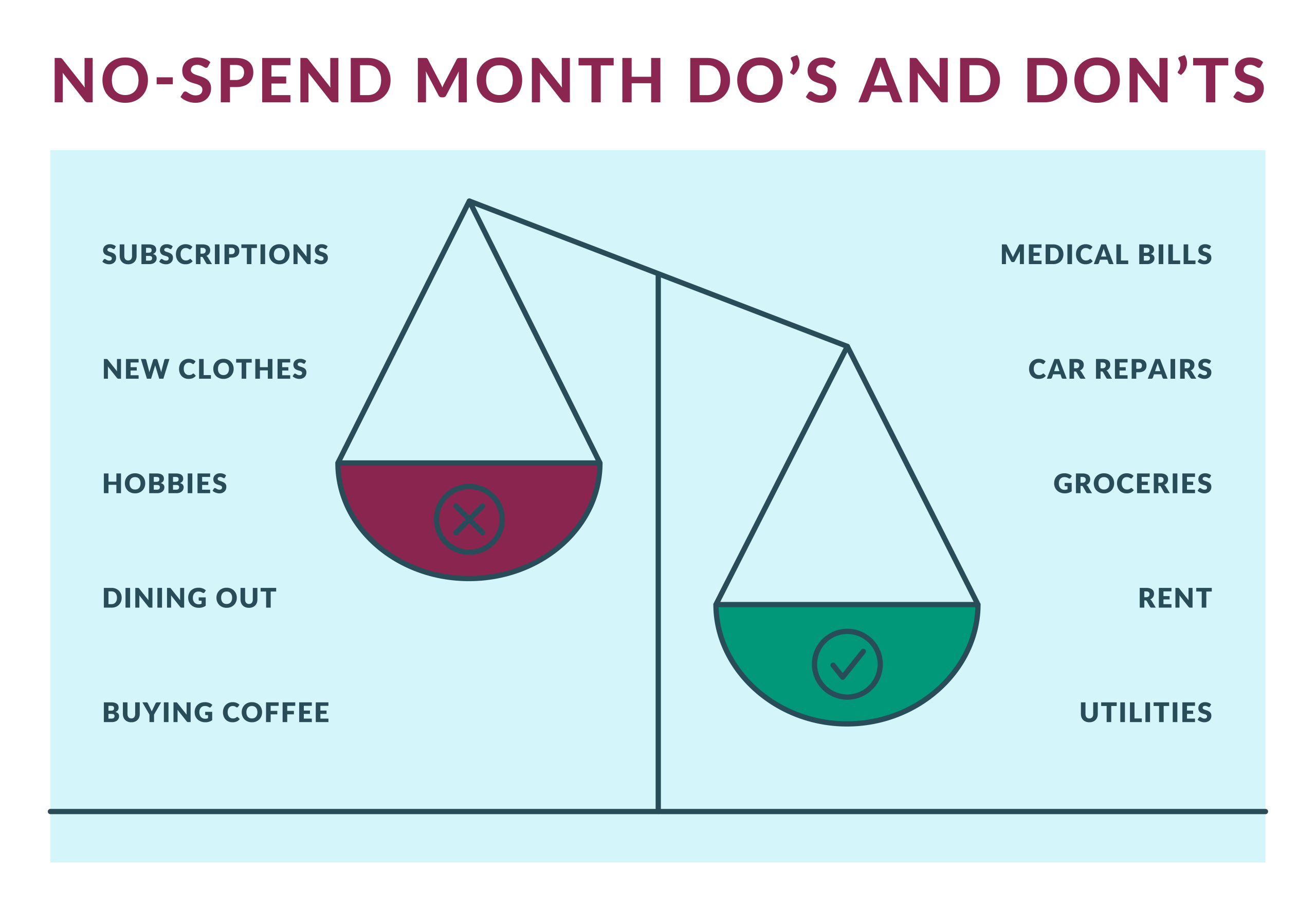
Consumers facing tighter budgets often reduce or eliminate non-essential purchases, focusing on necessities and delaying bigger commitments like vacations, luxury goods, or home renovations.
The ripple effect is that companies across different industries must adapt to lower demand in discretionary areas, while insurers face greater pressure from claims related to essential needs that people can no longer cover on their own.
In this way, the claims surge becomes intertwined with broader spending adjustments, reflecting how inflation redefines consumer choices.
The emotional side of these decisions cannot be ignored. For many families, cutting back on leisure or switching to lower-cost alternatives is not just about saving money, it is about coping with uncertainty.
This heightened financial stress leads more individuals to seek compensation whenever possible, reinforcing the cycle of rising claims within an already fragile economy.
Changing Patterns in Spending and Loyalty
When prices climb steadily, consumers develop new strategies to manage their limited resources.
The inflation-driven claims surge connects directly to these shifts because as people file more claims to offset rising costs, they simultaneously become more price-conscious in their shopping habits.
Many households adopt bulk buying strategies, closely track promotions, and increasingly rely on discount periods to secure the best value.
This behavior inevitably impacts brand loyalty. Premium and established brands often lose ground when consumers discover that generic or store-brand products meet their needs at a fraction of the cost.
As a result, loyalty becomes more fluid, with buyers open to experimentation and guided by immediate value rather than long-term attachment to a specific brand.
For businesses, this means constant adaptation is necessary to avoid losing relevance in a marketplace where trust and quality must be balanced with affordability.
The consequences extend beyond product choices, influencing how families manage everyday risks.
A simple car repair or health expense may push consumers to trigger insurance coverage or demand compensation, connecting personal financial management to the overall rise in claims.
These micro-decisions accumulate, feeding the surge and intensifying its impact on insurers and the economy alike.
Technology as a Consumer’s Shield Against Inflation
The digital age has provided consumers with powerful tools to navigate inflation, and this directly ties into the inflation-driven claims surge.
Price comparison apps, online marketplaces, and coupon platforms allow shoppers to stretch their budgets and make informed decisions.
With just a few clicks, they can determine whether a purchase is justified, find cheaper alternatives, or delay spending altogether.
This technological empowerment changes how claims are approached as well. Digital platforms not only guide purchasing decisions but also simplify the process of filing claims, providing faster access to compensation and increasing the volume of requests insurers must handle.
Consumers are no longer passive; they are equipped with real-time data, reviews, and tools that help them fight back against rising costs.
In practice, this means that inflation is not only reshaping spending but also accelerating the demand for transparency and efficiency in financial services. Insurers, retailers, and policymakers must recognize that technology has become an ally for consumers under pressure.
As long as inflation continues to drive up costs, digital solutions will remain central to how households protect themselves, reinforcing the surge in claims and reshaping market dynamics.

Business Responses to Inflation-driven Claims Surge
The inflation-driven claims surge is reshaping the way businesses operate, forcing them to rethink both short-term tactics and long-term strategies.
Rising costs and unpredictable consumer behavior have created a volatile environment where efficiency and adaptability are no longer optional but necessary for survival.
Companies that fail to respond to these pressures risk losing competitiveness in an economy where claims and expenses keep climbing together.
For many organizations, the immediate priority has become balancing profitability with customer trust. As consumers face higher premiums and more frequent claims, businesses are challenged to demonstrate resilience and transparency.
The surge has therefore become a catalyst for transformation, encouraging firms to refine their structures and adopt innovative practices that help them absorb financial shocks without alienating their customer base.
At the same time, industries such as insurance, retail, and healthcare are particularly exposed. These sectors experience both the direct costs of higher claims and the indirect effects of customers who demand better value at lower prices.
The result is a business environment that must stay agile, prepared to pivot strategies rapidly in response to shifting market realities.
Rethinking Business Models in Times of Rising Claims
In response to the pressures of inflation-driven claims surge, businesses are reengineering their models to build flexibility into their operations.
Cost management has taken center stage, with companies scrutinizing every area of expenditure to identify efficiencies that do not compromise quality.
This often includes renegotiating supplier contracts, streamlining processes, and investing in technology to automate routine tasks.
Dynamic pricing has also become a vital tool. With inflation pushing costs upward, businesses are increasingly turning to real-time pricing models that allow them to adjust prices based on demand, supply fluctuations, and competitor activity.
This approach provides a buffer against volatility while ensuring that profitability remains intact, even in unstable markets.
In addition, supply chain resilience has emerged as a critical focus. Rather than relying on rigid networks, companies are diversifying their suppliers and building more flexible systems capable of absorbing sudden changes.
This adaptability helps businesses not only weather economic uncertainty but also deliver consistent service to customers who are becoming less tolerant of disruptions.
Future predictions and economic outlook
The trajectory of the inflation-driven claims surge will continue to shape financial decisions for households, businesses, and insurers in the coming years. Economists anticipate that while inflation may ease gradually, its lingering effects on claims will not disappear overnight.
This means that sectors like car insurance, already strained by higher repair costs and rising accident-related expenses, will remain under pressure to adapt.
The long-term outlook is marked by uncertainty, with inflationary shocks potentially resurfacing if supply chains falter or energy prices spike.
For consumers, this environment suggests that premiums for essential protections such as car insurance are likely to remain elevated throughout 2025 and beyond.
Data from U.S. insurance markets already shows premiums rising by over 12% since 2024, with projections of an additional 6% to 8% increase by the end of 2025 in most states.
These numbers reveal how inflation does not simply drive costs upward temporarily but fundamentally reshapes financial planning for millions of drivers.
The connection between inflation and claims is direct: as the price of auto parts, labor, and medical services continues to climb, every claim becomes more expensive, fueling further upward pressure on policy costs.
Evolving Inflation Trends and Their Ripple Effects
The persistence of inflation across global markets highlights why the inflation-driven claims surge is expected to remain a defining feature of the economic landscape.
Supply chain recovery will play a role in moderating costs, but delays and geopolitical uncertainties mean stabilization could take years. At the same time, consumer spending patterns continue to evolve.
Families are reducing discretionary purchases and focusing on necessities, which impacts businesses across sectors, including auto repair shops and insurers that must adjust to shifting demand.
Government policy will also remain a central factor. Fiscal strategies, taxation, and even tariff adjustments on imported car parts directly influence insurance markets.
For example, if tariffs drive up the price of components, car insurance claims rise accordingly, pushing insurers to raise premiums.
This interplay between policy and everyday costs underscores how inflation connects the micro-level experiences of consumers with macroeconomic decisions made at national and international levels.
Potential Economic Growth
While rising inflation often brings challenges, it can also lead to opportunities for economic growth. Businesses that successfully adapt to changing consumer needs may find new markets to explore.
Investments in innovation and technology can lead to increased productivity. Sectors such as renewable energy and technology are likely to see growth as society shifts toward more sustainable practices. This adaptability is crucial for long-term success.
For consumers, the challenge lies in maintaining financial resilience, while for businesses, it is about identifying areas where efficiency and customer trust can drive growth despite higher operating costs.
Preparing Consumers and Businesses for What Lies Ahead
Navigating a future defined by the inflation-driven claims surge requires proactive strategies. For consumers, this means monitoring household budgets more carefully, shopping around for competitive car insurance rates, and leveraging digital tools to compare policies and manage claims effectively.
Financial literacy becomes a vital skill, as informed consumers are better able to balance rising premiums with overall financial goals.
Businesses, meanwhile, must focus on resilience and data-driven decisions. Regular monitoring of consumer behavior, supply chain risks, and regulatory shifts will help them anticipate changes before they become critical threats.
In the case of car insurance providers, analyzing accident data and claim frequencies in real time allows for more precise pricing and reduced exposure to inflation-driven shocks.
Ultimately, the outlook is not one of despair but of adjustment. Inflation will continue to challenge established systems, yet with adaptation, transparency, and innovation, both consumers and businesses can navigate the turbulence.
Did you like the content? Continue reading our website and read: Rate Stabilization in Car Insurance.
FAQ – Frequently Asked Questions about Inflation-Driven Claims
What are inflation-driven claims?
Inflation-driven claims refer to requests for compensation that increase as inflation affects the cost of goods and services.
How does inflation impact consumer behavior?
Inflation often leads consumers to prioritize essential purchases, cut back on non-essential spending, and seek deals.
What steps are businesses taking in response to inflation?
Businesses are adjusting their pricing strategies, managing costs more effectively, and adapting their marketing to maintain customer loyalty.
How can the government respond to inflation concerns?
Governments may adjust interest rates, implement subsidies, or create stimulus programs to help consumers and businesses cope with rising costs.