
Anúncios
Loan Default Prevention Strategies are key to maintaining financial stability and avoiding costly setbacks. By implementing simple yet impactful changes, you can protect your credit and ensure long-term financial health.
Have you ever wondered how small adjustments could prevent loan default? From smart budgeting to recognizing early warning signs, there are numerous ways to stay on top of your obligations.
In this article, we’ll explore practical tips and strategies that can help you avoid default and regain control of your finances. Let’s dive in and secure your financial future together!
Understanding loan default: What happens?
Loan default is a serious financial issue, but to truly understand its significance, it’s crucial to break down what happens when it occurs. In simple terms, loan default happens when a borrower fails to meet the agreed-upon payments or terms of the loan.
This could be a result of missing one or more payments or neglecting the terms specified in the agreement. While the definition sounds straightforward, the impact of defaulting on a loan can be much more far-reaching than many realize.
When a loan enters default, the consequences go beyond just the missed payments. The first consequence is often a sharp decline in the borrower’s credit score.
A lower credit score can make it difficult to secure future loans or credit cards, and if granted, the terms could be less favorable, such as higher interest rates.
This can affect everything from mortgage approvals to car loans, making it more difficult and expensive to borrow money in the future.
What Happens When You Default?
Once you default on a loan, the lender typically takes steps to recover the amount owed, and these actions can escalate over time.
For example, the lender might begin by sending reminders or contacting you directly to discuss payment arrangements.
However, if the situation isn’t resolved, they may initiate more aggressive actions, including sending your debt to collections. Collection agencies often use persistent methods, such as phone calls, emails, and letters, to recover the money.
In extreme cases, if the loan was secured with collateral, such as a home or car, the lender can seize these assets. This is particularly common with mortgages and auto loans.
The process, known as repossession or foreclosure, can result in the borrower losing their home or vehicle. Even unsecured loans, like credit cards, can lead to legal actions, including wage garnishment or lawsuits if the debt remains unpaid.
Identifying the warning signs of possible default
Recognizing the warning signs of impending loan default is a vital skill for any borrower. The earlier you spot these signals, the better your chances of preventing more severe financial consequences.
Defaulting on a loan can lead to devastating impacts, such as damaged credit scores, loss of assets, and long-term financial struggles. However, if you are proactive and attentive to the signs, you can often prevent the situation from escalating.
The key is to stay alert to early indicators that things are starting to go off track, so you can take steps to correct course.
The most obvious sign is struggling to make regular loan payments. However, other less obvious clues can often be just as important.
If you begin to feel overwhelmed by your financial obligations, it’s important to step back and assess the situation.
Missing a payment here and there may seem minor at first, but this can quickly snowball into a bigger problem. Identifying these signs early can give you the opportunity to make changes before things spiral out of control.
Key Warning Signs
Here are some specific signs to watch for:
- Repeated late payments over a few months.
- Increased reliance on credit cards for everyday expenses.
- Receiving calls or letters from creditors.
- Difficulties in managing household expenses or bills.
Additionally, if you notice a sudden change in your income, such as a job loss or reduced hours, it can significantly impact your ability to repay loans. It’s important to act on these signs promptly.
Communication with your lender is also essential if you start noticing these signs. They may offer options to help you manage your payments before defaulting occurs.
This proactive stance can save you from more extensive problems down the line.
Effective Loan Default Prevention Strategies

One of the most powerful tools to avoid loan default is a well-structured budget. Budgeting is not just about tracking how much you spend.
It’s about gaining control of your financial situation, ensuring you can meet your payment obligations, and making informed decisions about where your money goes.
Without a clear understanding of your income and expenses, it becomes far too easy to slip into debt and miss important payments. A budget allows you to plan for both the expected and unexpected, giving you the flexibility to avoid financial pitfalls.
Effective budgeting starts with understanding your financial picture. The first step is to track your income and expenses meticulously.
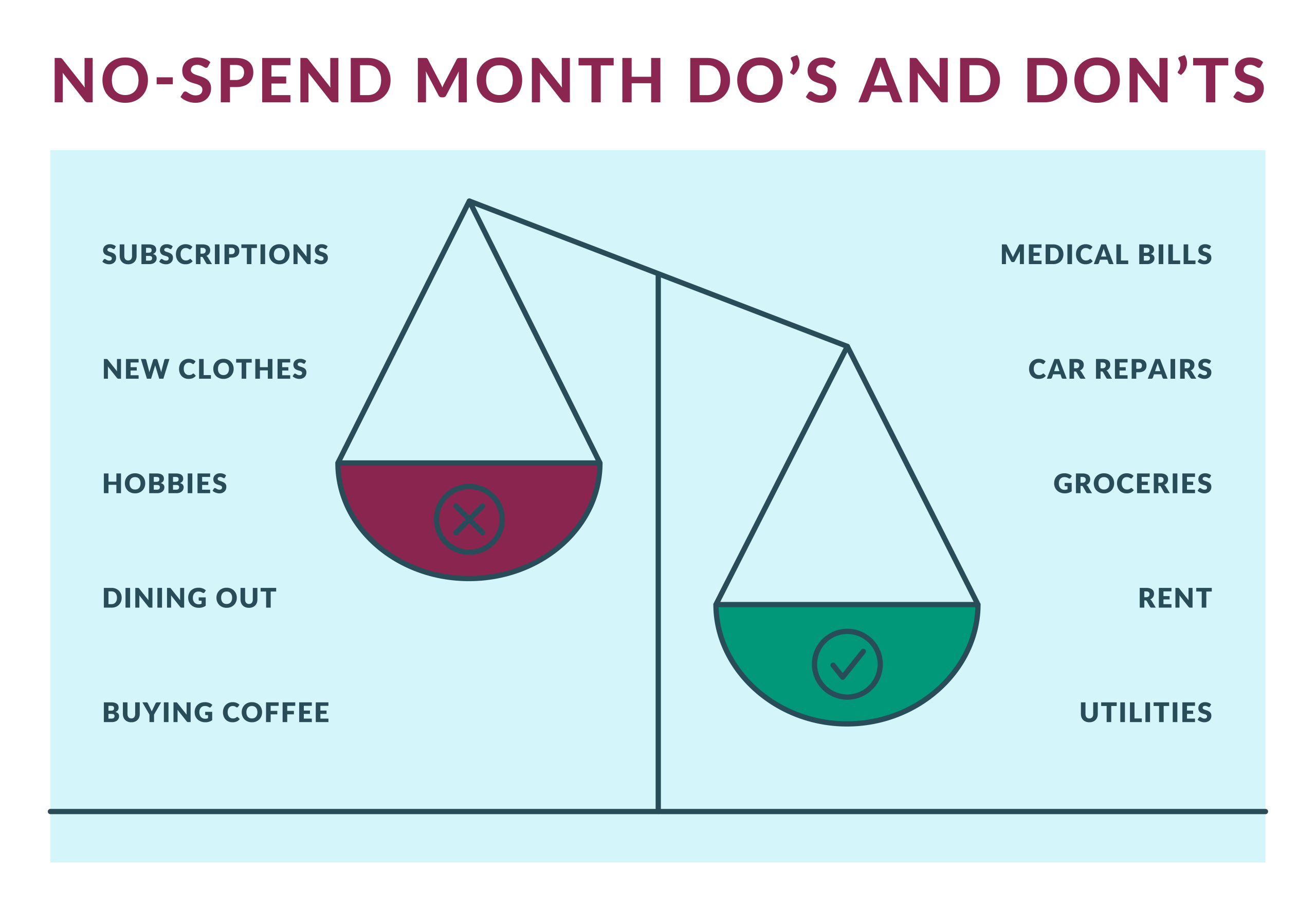
Knowing exactly how much money you earn each month and where it goes is the foundation of any good budget. It helps you identify areas where you can cut back, especially on non-essential items like dining out, subscriptions, and entertainment.
By trimming these costs, you free up funds that can be used to prioritize debt repayment or savings, reducing the risk of missing payments. This approach gives you the flexibility to allocate your resources to the most important financial obligations, like your loans.
Key Budgeting Techniques
Here are some effective Loan Default Prevention Strategies to consider:
- Use the 50/30/20 rule, allocating 50% to needs, 30% to wants, and 20% to savings or debt repayment.
- Create a monthly spending plan that highlights fixed and variable expenses.
- Set aside an emergency fund to cover unforeseen expenses.
- Review your budget monthly and adjust as necessary to prevent overspending.
In today’s digital age, there are a variety of budgeting apps that can help streamline the budgeting process. These apps, such as Mint, YNAB (You Need A Budget), and PocketGuard, can automatically track your income and expenses, categorize spending, and alert you to upcoming bills.
But while budgeting apps are helpful, developing good financial habits is just as crucial. Consistently making responsible financial decisions, such as paying bills on time, avoiding unnecessary debt, and saving regularly, builds a strong foundation for long-term financial success.
Taking these proactive steps will give you greater peace of mind and reduce financial stress, helping you stay on track and avoid loan default in the long run.
The role of communication with lenders
The role of communication with lenders is vital when it comes to preventing loan default. Keeping an open line of communication can help address potential issues before they escalate into serious problems.
If you’re facing financial difficulties, reaching out to your lender is the first step you should take.
Many borrowers avoid contacting lenders due to fear or embarrassment. However, it’s important to understand that lenders appreciate honesty.
By expressing your concerns early, you may be able to set up more manageable payment plans or explore other options.
Benefits of Communication
Communicating with your lender can provide various benefits:
One of the primary advantages of reaching out to your lender is that they may offer temporary relief options, such as deferring payments or extending your loan terms.
These options can give you much-needed breathing room during financially difficult periods, helping you avoid default while you regain your financial footing.
In addition to deferral options, communicating with your lender allows you to explore repayment adjustments that are specifically tailored to your current financial situation.
Lenders often have programs that can adjust your monthly payments based on your income or financial hardship, helping to make your loan more manageable.
Another important benefit of communicating with your lender is the access to financial counseling resources they may provide.
Many lenders have partnerships with financial advisors or counseling services that can help you better understand your financial situation and create a sustainable plan for managing your debts.
Additionally, regular communication with your lender helps to foster a positive relationship and trust between you and the lender.
Moreover, regular updates regarding your situation keep the lender informed. This proactive approach signals your commitment to managing your debts responsibly. If your financial status improves, you can also reconvene to discuss returning to original payment terms.
In summary, engaging with your lender is a proactive way to manage financial stress. This strategy not only helps mitigate the risks of loan default but also builds a favorable relationship for future financial needs.
Resources for managing loans and preventing default
Navigating the complexities of loan management can be challenging, especially when dealing with multiple financial obligations. Fortunately, there are a variety of resources available to help you manage your loans effectively and prevent loan default.
The key to successfully handling your loans is knowing where to turn for help and utilizing the right tools to stay on top of your payments.
By tapping into these resources, you can develop a more comprehensive understanding of your financial situation and take actionable steps to improve it.
One of the most valuable resources for managing loans and preventing default is financial counseling services. These services, often offered by non-profit organizations, provide free or low-cost advice tailored to your specific financial needs.
Financial counselors can help you assess your current financial situation, create a realistic budget, and develop a debt repayment plan that works for you.
They can also offer strategies for improving your credit score, reducing expenses, and prioritizing your loan payments.
Whether you are struggling with a single loan or juggling multiple debts, financial counseling can provide clarity and guidance, helping you avoid falling into default.
Another great way to stay on top of your finances is by utilizing online financial education platforms. Many of these platforms offer a wealth of resources such as budgeting tools, loan calculators, and debt management guides that can assist in managing your loans.
Helpful Resources
Here are some key resources to consider:
- Local non-profit credit counseling organizations.
- Online financial education platforms featuring budgeting tools and loan calculators.
- Government websites with information on loan forgiveness programs and financial aid.
- Community workshops that focus on personal finance and debt management.
Additionally, several mobile apps can help you track your spending and remind you of payment due dates. Many of these tools come with budgeting features that help ensure you stay on top of your financial responsibilities.
Joining online forums or support groups can also be beneficial. Connecting with others who are in similar situations allows you to share experiences and strategies. Remember, you are not alone in dealing with financial challenges.
By utilizing these resources, you can strengthen your financial literacy and develop effective strategies to manage your loans successfully. Staying informed and proactive is crucial in preventing loan default.
FAQ – Frequently Asked Questions about Loan Default Prevention Strategies
What are the main warning signs of loan default?
Key warning signs include missed payments, increased reliance on credit cards, and receiving calls from creditors.
How can budgeting help prevent loan default?
Effective budgeting allows you to track your income and expenses, helping you manage payments and avoid financial pitfalls.
Why is communication with lenders important?
Open communication with lenders can lead to flexible repayment options and support during financial hardships.
What resources are available for managing my loans?
Many resources exist, including financial counseling services, budgeting apps, and online educational platforms to help improve financial literacy.