
Anúncios
Living paycheck to paycheck can feel like a never-ending cycle, but it doesn’t have to be. These Paycheck-to-paycheck survival tips can help you take control and move toward financial stability with confidence.
Whether you’re juggling bills or bracing for the next emergency, small changes can make a big impact. With the right habits, it’s possible to reduce stress and stretch every dollar further.
Let’s dive into simple, practical strategies that empower your daily choices and build a more secure future, one paycheck at a time.
What is the paycheck-to-paycheck cycle?
The paycheck-to-paycheck cycle describes a financial situation where your income barely covers your monthly expenses, leaving little to no room for savings.
Living this way often means that any unexpected cost, like a car repair or medical bill, can derail your entire budget and lead to debt accumulation. It’s a common reality for many, and it can feel like a trap that’s difficult to escape without the right approach.
This cycle doesn’t just impact your wallet, it also affects your emotional well-being. Constantly worrying about whether you’ll have enough money to make it to the next payday can cause chronic stress, sleepless nights, and difficulty focusing on long-term goals.
Recognizing the cycle is the first step in applying Paycheck-to-paycheck survival tips that can help you regain control over your finances and restore a sense of security.
Ultimately, breaking this cycle requires a shift in mindset and the adoption of sustainable financial habits. It’s not just about earning more, it’s about learning how to manage what you already earn.
That’s why survival tips centered on planning, tracking expenses, and reducing unnecessary costs are so important to building long-term financial stability.
What Causes the Cycle?
One of the primary causes of this financial loop is the absence of a savings buffer. Without an emergency fund or disposable income, every paycheck is already spent before it arrives, often on essentials like rent, utilities, groceries, and debt payments.
When unplanned expenses pop up, they tend to push individuals further into financial stress, forcing them to rely on credit cards or loans to get by.
High living costs also play a major role, especially in urban areas where housing, transportation, and basic needs eat up a significant portion of income. On top of that, wage stagnation makes it difficult for many workers to keep up, even when they’re employed full-time.
A lack of financial education only compounds the problem, as individuals may not be aware of budgeting techniques or how to make the most of limited funds.
By implementing Paycheck-to-paycheck survival tips, like tracking income and expenses or prioritizing essential costs, it becomes possible to pinpoint where money is being lost and start building better financial habits.
Over time, these changes can lead to more control and fewer moments of financial panic.
Common Characteristics of the Cycle
A person stuck in the paycheck-to-paycheck lifestyle typically faces several ongoing challenges. Budgeting feels nearly impossible because every dollar is already spoken for.
Unexpected costs turn into financial emergencies, and credit cards become a lifeline for basic purchases. As a result, debt begins to grow, and saving money feels out of reach, no matter how much effort is made.
This type of financial instability often leads to mental and emotional exhaustion. Constantly worrying about bills, making sacrifices, or delaying medical care due to lack of funds can have a serious impact on health and relationships.
It becomes harder to plan for the future when just surviving the present is already overwhelming.
Applying consistent Paycheck-to-paycheck survival tips can gradually turn things around. Creating a realistic budget, cutting non-essential expenses, and automating small contributions to a savings account are strategies that help reduce financial fragility.
Over time, even small improvements in money management can lead to greater peace of mind and long-term financial independence.
Simple budgeting strategies for survival
Simple budgeting strategies are essential for surviving and thriving while living paycheck to paycheck. Creating a budget doesn’t have to be complicated; it’s all about understanding your income and expenses clearly.
By establishing and maintaining a budget, you can take control of your finances and work towards financial stability.
The first step is to track all your income and expenses. List down your sources of income, and then write down all your fixed and variable expenses.
This helps paint a clear picture of where your money goes every month. Once you have this information, you can start making informed decisions.
Consider these budgeting techniques to help manage your money:
- The 50/30/20 Rule: Allocate 50% of your income to necessities, 30% to wants, and 20% to savings.
- Envelope System: Use cash in envelopes for different spending categories to avoid overspending.
- Zero-Based Budgeting: Every dollar you earn should be assigned a job, leaving no money unaccounted for.
Stick to your budget by revisiting and adjusting it regularly. Life can be unpredictable, and changes may require you to rethink your spending plans. Flexibility is essential to the budgeting process.
Additionally, prioritize your expenses. Identify needs versus wants, ensuring that essential expenses are covered first. This practice helps you avoid unnecessary purchases that can derail your budget.
When you learn to make thoughtful choices about spending, you can better navigate the challenges of living paycheck to paycheck.
How to cut unnecessary expenses

Learning how to cut unnecessary expenses can significantly improve your financial situation while living paycheck to paycheck.
Everyone has some spending habits that can be adjusted or eliminated. The key is to identify these habits and make conscious changes.
Track Your Spending
One of the most practical Paycheck-to-paycheck survival tips is learning how to track every cent that leaves your account. By logging your expenses daily or weekly, even the smallest purchases become visible, helping you understand your true financial habits.
This awareness is powerful, it transforms vague spending into clear patterns you can assess and change.
Keeping a spending journal or using an app can reveal recurring costs that quietly drain your income. Whether it’s daily coffee runs or forgotten auto-renewals, identifying these can be a turning point.
With this information, you gain the clarity needed to shift your behavior and make smarter money choices.
By reviewing your habits at the end of each month, you create a financial mirror, one that reflects not just your choices, but your priorities.
This insight allows you to approach your budget more strategically, aligning your money with what matters most while cutting down waste.
Identify Non-Essential Expenses
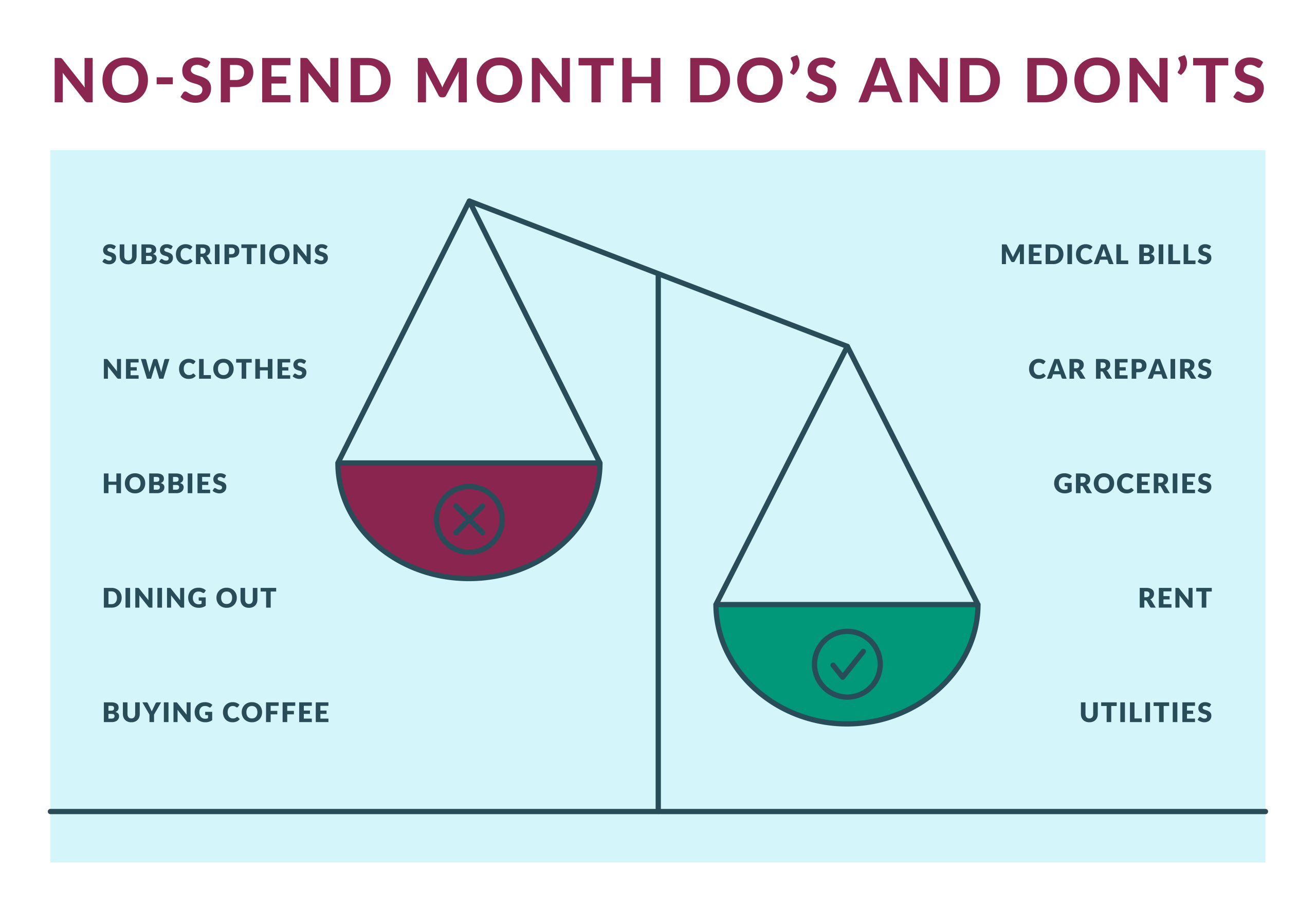
Once you know where your money is going, the next step is evaluating which expenses are truly necessary. Many people living paycheck to paycheck don’t realize how much of their income is going toward non-essentials.
Entertainment, convenience purchases, and subscription services often consume more than expected. Identifying these is key to better cash flow management.
A good exercise is separating your needs from your wants with honesty. For example, food is essential, but daily takeout is not. Internet may be necessary, but premium streaming packages might not be.
This process isn’t about restriction, it’s about prioritization, ensuring your essentials are covered before anything else.
The goal is to minimize what doesn’t add real value to your life. These Paycheck-to-paycheck survival tips aren’t just about frugality, they’re about reclaiming financial control.
The fewer non-essential costs you carry, the more flexible and prepared your budget becomes in the face of unexpected expenses.
Side hustles to boost your income
Side hustles are an excellent way to boost your income while living paycheck to paycheck. By taking on extra work, you can increase your earnings and build savings or pay off debt.
Many side hustles can fit around your main job, making them a flexible option.
Identifying Opportunities
Start by identifying your skills and interests. Are you good at writing, graphic design, or perhaps gardening? Knowing what you enjoy can lead you to the right side hustle.
Focus on opportunities that you can manage without overwhelming yourself. Here are some popular side hustles:
- Freelancing in writing or graphic design;
- Online tutoring in subjects you excel in;
- Pet sitting or dog walking for busy pet owners;
- Selling handmade crafts on platforms like Etsy.
These side hustles allow you to earn extra cash while utilizing your skills effectively. Many people have turned hobbies into profitable ventures that provide financial security.
Maximizing Your Time
When deciding on a side hustle, consider how much time you can realistically dedicate to it. It’s essential to maintain balance; you don’t want your side job to interfere with your main job or personal life.
Schedule your side hustle around your free time, whether that’s evenings or weekends. Setting aside specific time blocks can help you focus and be more productive.
Furthermore, join online communities or local groups related to your side hustle. Networking can lead to new opportunities and provide valuable resources.
Connecting with others in the same field can help you learn best practices and enhance your skills, making your side hustle even more successful.
Planning for unexpected financial emergencies
Planning for unexpected financial emergencies is crucial for anyone living paycheck to paycheck. Life can be unpredictable, and having a strategy in place can help you navigate sudden expenses without added stress.
One of the best ways to prepare for emergencies is to establish an emergency fund.
This fund should ideally cover three to six months’ worth of living expenses, allowing you to handle unexpected situations like medical bills or car repairs. Even if you can only save a small amount each month, it adds up over time.
Strategies for Building Your Fund
Consider these strategies to boost your emergency savings:
To strengthen your financial stability while living paycheck to paycheck, consider setting up an automatic transfer from your checking to your savings account every payday. This creates a habit of saving without relying on willpower alone.
By cutting back on non-essential expenses, you can redirect that extra cash into your emergency fund, helping you build a safety net over time.
Additionally, using unexpected windfalls like tax refunds or work bonuses is a smart way to give your savings a strong head start without impacting your monthly budget.
Having a designated savings account for emergencies can make it easier to resist the urge to spend that money.
Preparing for Specific Situations
It’s not just about saving money; it also helps to think ahead about potential emergencies. For example, consider how you would handle a job loss or an unexpected medical expense.
Make a list of steps you would take and resources you could tap into. For instance, if you lose your job, know how to access unemployment benefits and create a budget that reflects your new circumstances.
Additionally, remember that having insurance can protect you from significant financial blows. Explore options for health, auto, and renter’s insurance to cover the basics. Ensuring you have the right coverage can be a lifesaver during a financial crisis.
Did you like the content? Stay tuned to our website and also read: Loan Repayment Assistance Programs.
FAQ – Tips for Surviving Paycheck to Paycheck
What is a good first step to manage my finances?
Creating a clear budget is essential. Track your income and expenses to understand where your money goes.
How much should I aim to save in an emergency fund?
Ideally, aim to save 3 to 6 months’ worth of living expenses to cover unexpected financial emergencies.
What are some easy side hustles to consider?
Freelancing, online tutoring, and pet sitting are great options that can fit around your regular job.
How can I cut unnecessary expenses?
Track your spending and identify non-essential items, such as frequent dining out or unused subscriptions, to reduce costs.