
Advertisements
Satellite imagery for roof inspections significantly enhances safety, reduces costs, and improves accuracy, enabling homeowners to detect potential issues early while minimizing the need for physical presence on rooftops.
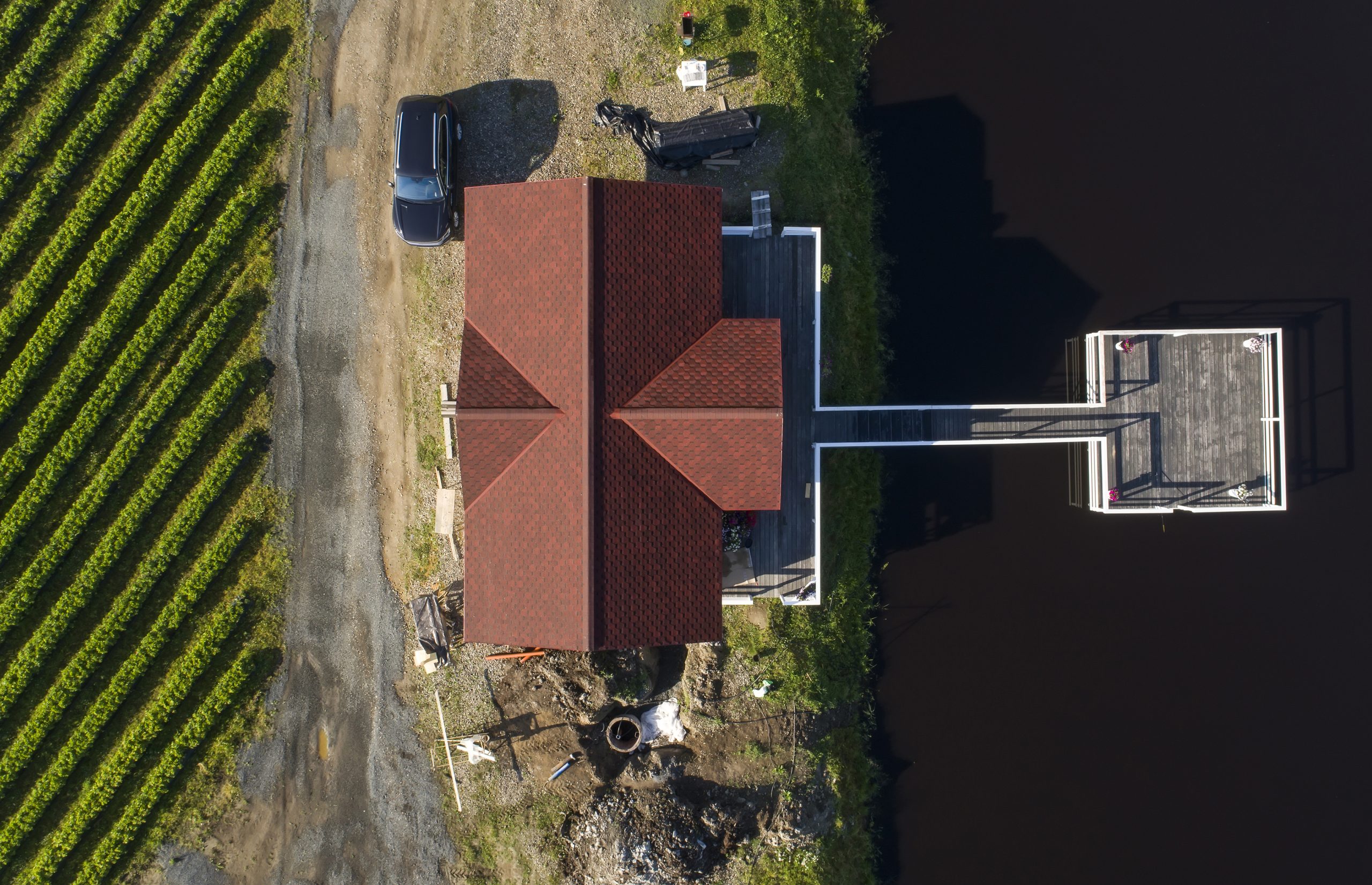
Satellite imagery for roof inspections is transforming how we assess the condition of roofs today.
Imagine having access to real-time data without the hassle of climbing on ladders. Ready to learn more about this innovative approach?
Advertisements
Understanding satellite imagery

Understanding satellite imagery is essential for modern roof inspections, as it provides a clear and comprehensive view from above. This perspective allows inspectors to evaluate roof conditions without the limitations of ground-level observation.
Aerial imagery makes it possible to detect issues that might otherwise go unnoticed, such as small cracks, pooling water, or uneven wear. These insights help identify problems early and support more accurate assessments.
It’s remarkable how this technology reveals hidden details and improves the inspection process. By leveraging satellite imagery, both homeowners and professionals can make better decisions and maintain roofs more effectively.
The basics of satellite imagery
Benefits of satellite imagery in roof inspections
There are several reasons why using satellite imagery for roof inspections is becoming more popular:
- Accessibility: Inspect hard-to-reach areas without ladders.
- Cost-effective: Save money by reducing the need for physical inspections.
- Time-saving: Get quick results without long wait times.
The clarity of these images means that inspectors can identify potential problems like leaks or cracks more efficiently. By utilizing satellite imagery, homeowners can receive crucial information about their roofs without unnecessary risks.
Additionally, satellite imagery can be analyzed using software to predict the lifespan of roofs. This helps homeowners plan for replacements before problems arise. Different companies offer various types of analyses, and it’s important to choose one that fits your specific needs.
The technology behind roof inspections
The technology behind roof inspections is evolving rapidly, with satellite imagery playing a central role in this transformation. It allows roofs to be assessed remotely, eliminating many of the limitations of traditional inspection methods.
With high-resolution images and advanced analysis tools, inspectors can identify potential issues early, such as cracks, leaks, or structural wear. This early detection helps prevent small problems from turning into costly repairs.
For homeowners and professionals alike, this means more proactive maintenance and better decision-making. The ability to monitor roof conditions from a distance brings greater efficiency, safety, and long-term savings.
Key technologies used in inspections
Roof inspections now make use of various technologies:
- High-resolution cameras: Capture detailed images of roofs from above.
- Infrared imaging: Detects heat differences that indicate leaks.
- Drones: Provide real-time video feeds, making access easier.
Each technology plays a crucial role in ensuring that roofs are examined thoroughly. For example, infrared imaging can highlight areas that need repair long before any visible damage occurs.
Additionally, software tools analyze the images captured during inspections. By using algorithms, these tools can identify issues with remarkable speed and accuracy. Homeowners can receive a detailed report within hours, which is a big improvement over traditional methods.
Benefits of modern technology
The benefits of this modern technology are immense. Not only can we find issues faster, but we can also save money in the long run.
Roof inspections that use advanced technology can reduce the chances of severe damage that leads to costly repairs. Homeowners can make informed decisions about repairs or replacements, keeping their homes safe.
Furthermore, this technology enhances safety for inspectors. By using drones and other devices, they can bypass climbing on ladders or walking on potentially dangerous roofs. This means fewer accidents and safer practices in the field.
Key benefits of using satellite imagery
The key benefits of using satellite imagery for roof inspections are reshaping how properties are evaluated and maintained. This technology introduces a more modern, efficient approach compared to traditional inspection methods.
One of the main advantages is the combination of safety, speed, and accuracy. Inspectors can analyze high-resolution images remotely, reducing risks while still identifying issues such as damage, leaks, and wear with precision.
Additionally, satellite imagery helps lower costs and improve decision-making by providing reliable data quickly. As a result, homeowners and professionals can plan maintenance more effectively and ensure better long-term property care.
Enhanced precision
Cost-efficiency
Utilizing satellite imagery is also cost-effective. Traditional roof inspections might require extensive labor and time, whereas satellite inspections reduce the need for physical presence. This means homeowners can save money while still getting accurate assessments.
- No need for scaffolding or ladders.
- Fewer man-hours needed for inspection.
- Faster turnaround time for reports.
Increased safety is another crucial aspect. Inspectors avoid dangerous situations that can arise from climbing onto roofs. Instead, they analyze roof conditions safely from a distance using images captured by satellites.
Moreover, homeowners benefit from the immediate access to data. With satellite imagery, reports are generated more quickly, allowing for timely decision-making on repairs or replacements. This can prevent minor issues from becoming major problems.
Additionally, satellite imagery can be utilized for monitoring roof conditions over time. Regular imagery captures help track changes and maintain roofs proactively. This proactive approach not only protects investments but also enhances the longevity of roofing materials.
Cost comparison with traditional inspections
Cost comparison with traditional inspections reveals clear financial advantages when using satellite imagery. By reducing the need for on-site visits, companies can cut down on labor, equipment, and travel expenses.
Traditional inspections often require scaffolding, safety gear, and more time, which increases overall costs. In contrast, satellite-based assessments streamline the process, delivering faster results with fewer resources.
Many homeowners are surprised by how cost-effective this approach can be. Beyond immediate savings, it also helps prevent costly repairs by enabling early detection of issues, making it a smart long-term investment.
Traditional inspection costs
Traditional roof inspections typically involve several elements that contribute to higher costs.
- Labor costs: Inspectors often need to climb on roofs, which requires specialized training.
- Time: Physical inspections take longer, resulting in more billable hours.
- Equipment: Accessing roofs may require scaffolding or ladders, adding to costs.
These factors can quickly add up, making traditional inspections pricey. Homeowners might face hundreds or even thousands of dollars for a single inspection.
Advantages of satellite inspections
On the other hand, satellite imagery eliminates many of the expenses associated with traditional methods. Some benefits include:
- Lower labor costs: Fewer technicians are needed on-site.
- Quick turnaround: Satellite inspections can be completed rapidly, reducing hourly charges.
- No special equipment: There’s no need for ladders or scaffolding, keeping costs down.
This reduction in costs allows homeowners to allocate their budgets more effectively. For instance, the money saved on inspections can go toward necessary repairs or upgrades.
Additionally, many companies offering satellite imagery services provide competitive pricing, making it an attractive option. As interest in this technology grows, homeowners are increasingly recognizing the value it brings.
In summary, the cost comparison between traditional inspections and satellite imagery clearly demonstrates that the latter is generally far more economical while still offering thorough and reliable results.
How satellite imagery enhances safety
How satellite imagery enhances safety during roof inspections is a critical topic as the industry shifts toward more efficient and risk-free methods. Safety remains a top priority, and this technology significantly reduces the need for hazardous manual inspections.
By allowing inspectors to analyze roofs remotely, satellite imagery eliminates exposure to dangers such as falls, unstable surfaces, and harsh weather conditions. This not only protects workers but also ensures inspections can be conducted consistently and without delays.
In addition, the use of advanced imaging improves accuracy while maintaining a safe working environment. As a result, companies can uphold high safety standards while increasing efficiency and reliability in their inspection processes.
Reducing physical risks
One major benefit of using satellite imagery is the significant reduction in physical risk for inspectors. By eliminating the need to climb onto roofs, it helps prevent accidents such as falls, slips, and injuries on steep or unstable surfaces.
This approach allows inspections to be conducted safely from the ground, using high-resolution images to assess roof conditions. As a result, professionals can perform their work more efficiently without compromising safety standards.
In addition to improving safety, this method also increases productivity and reduces liability concerns for companies. It represents a modern, reliable solution that enhances both worker protection and operational efficiency.
Real-time monitoring
Additionally, satellite imagery allows for real-time monitoring of roofs. Inspectors can observe changes in roof conditions without needing to be physically present. This means they can quickly catch potential problems before they escalate into serious issues.
- Identify leaks early.
- Spot structural damage from storms.
- Monitor changes over time for preventive maintenance.
This proactive approach enhances safety by ensuring that necessary repairs are addressed before they lead to hazardous conditions.
In addition to protecting inspectors, satellite imagery also keeps homeowners safe. When roofs are regularly monitored and maintained, the risk of severe leaks or collapses decreases. Homeowners can feel confident knowing that their roofing system is being watched without compromising safety.
Furthermore, the data provided by satellite images can guide homeowners in making informed decisions about maintenance. For instance, if images show wear and tear, they can choose to repair specific areas rather than waiting until the damage worsens. This way, both health and safety are preserved.
Case studies of successful inspections
Example 1: Urban Roofing Project
In a recent urban roofing project, a building management company utilized satellite imagery to inspect multiple rooftops simultaneously. The inspectors were able to generate comprehensive reports quickly.
- Identified leaks in three buildings before they caused damage.
- Saved approximately 30% on inspection costs compared to traditional methods.
- Completed assessments in half the usual time.
This case demonstrates the efficiency and cost savings associated with using technology for roof inspections.
Example 2: Residential Inspection
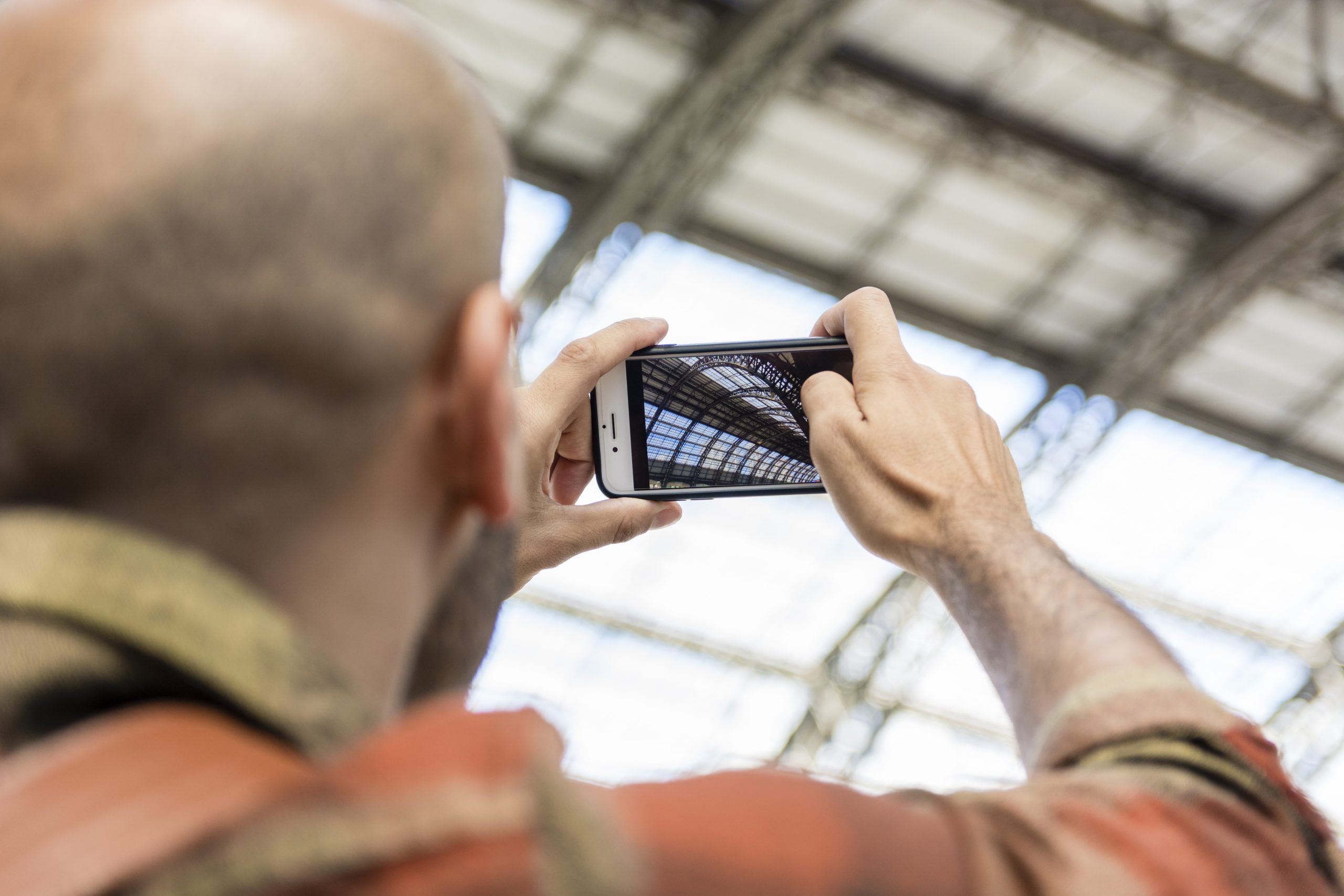
Another example comes from a residential property where satellite imagery detected severe wear on a roof that the homeowner did not notice. The inspector provided:
- High-resolution images that pinpointed the problem areas.
- A detailed analysis that recommended immediate repairs.
- Clear communication about the issues found and potential solutions.
This proactive approach prevented further damage and ensured the safety of the homeowners.
Example 3: Educational Institution
A local school district adopted satellite imagery for their roof inspections across multiple schools. By using this technology, they were able to:
- Conduct inspections across all facilities with one service.
- Plan timely roof repairs without interrupting school activities.
- Extend the lifespan of rooftops by addressing problems early.
Through these case studies, it’s clear that satellite imagery transforms the way roofs are inspected, offering clear advantages over traditional methods.
FAQ – Frequently Asked Questions about Satellite Imagery for Roof Inspections
How does satellite imagery improve roof inspection accuracy?
Satellite imagery provides high-resolution images that allow inspectors to see details that are often missed during traditional inspections.
Is using satellite imagery more cost-effective than traditional methods?
Yes, using satellite imagery can significantly lower inspection costs by reducing labor and equipment expenses.
What safety advantages does satellite imagery offer?
Satellite imagery minimizes the need for inspectors to climb onto roofs, thereby reducing the risk of accidents and injuries.
Can satellite imagery help homeowners identify potential roof issues early?
Absolutely! Satellite imagery allows for regular monitoring and early detection of issues, helping homeowners avoid costly repairs.