Anúncios
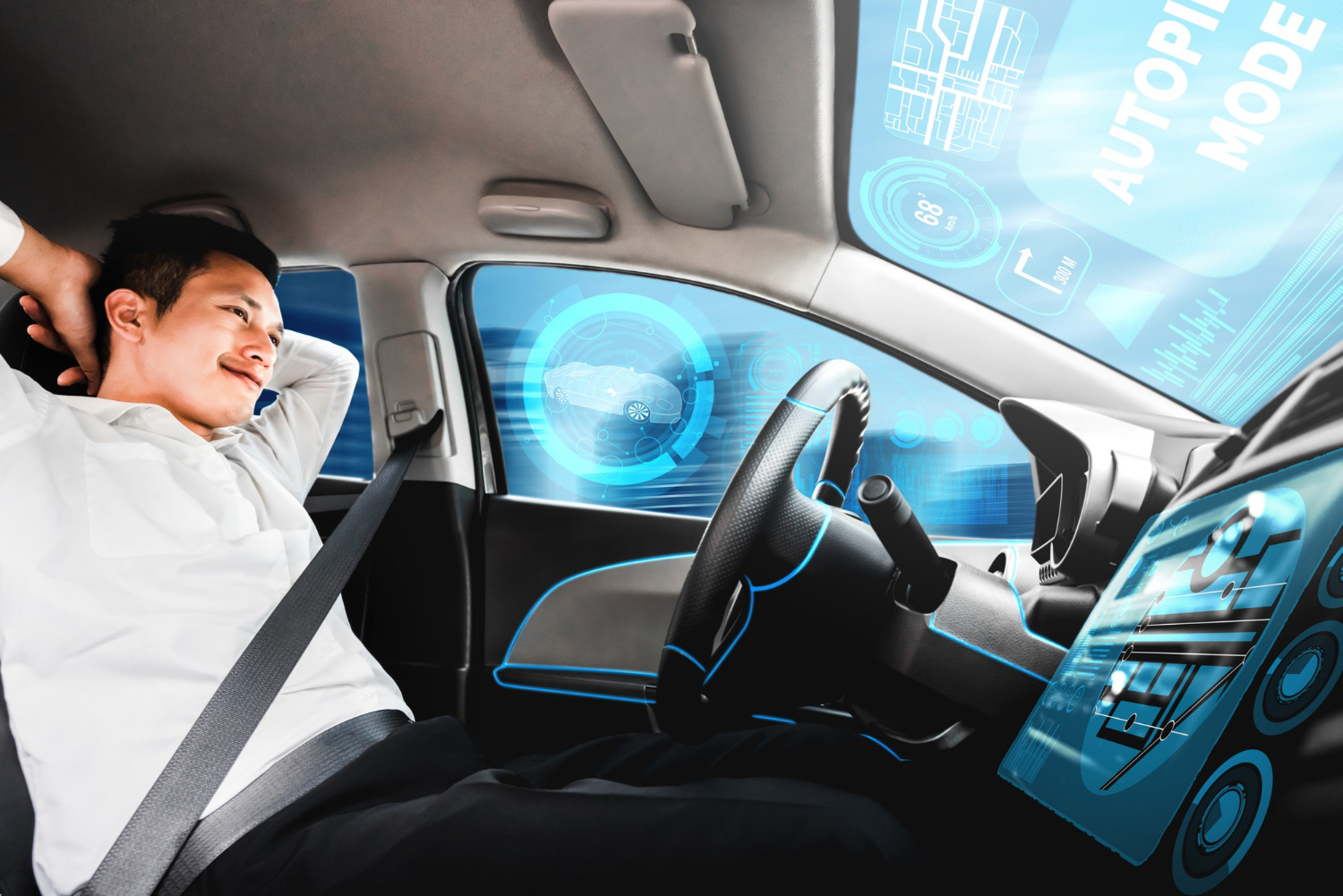
Self-driving car premiums are reshaping how we think about insurance. With advanced technology reducing accident risks, your monthly costs could look very different in the near future.
From cutting-edge sensors to AI-assisted decision-making, autonomous vehicles bring a whole new layer of complexity to car insurance. But does that mean you’ll pay more or less?
Whether you’re a curious driver or a future EV owner, understanding how automation affects your insurance is key. Let’s explore what’s changing and why it matters to your wallet.
What Are Self-Driving Car Premiums and Why They Matter
Understanding self-driving car premiums is becoming crucial as autonomous vehicles inch closer to mainstream adoption.
These insurance costs reflect not just the value of the car but the risks and technologies behind it. For drivers and policyholders alike, knowing how premiums are calculated can lead to smarter, more cost-effective choices.
Unlike traditional car insurance, premiums for self-driving cars are influenced by the complexity of onboard systems like lidar, radar, and AI-based navigation. The more sophisticated the safety technology, the higher the likelihood of fewer accidents, and potentially lower premiums.
However, the high cost of repairs for these advanced systems may also push rates upward, depending on the insurer.
As insurers refine their models to account for automation, drivers must stay informed. Whether you’re thinking of switching to a semi-autonomous vehicle or waiting for full autonomy, understanding the financial implications is essential.
Factors Affecting Self-Driving Car Premiums
Several elements contribute to the pricing of self-driving car insurance:
- Type of autonomous technology;
- Vehicle safety ratings;
- Driver behavior history;
- Market competition among insurers.
Another important aspect is the data collection that comes with self-driving technology. Insurers often use telematics data to assess risk.
This data can provide insights into driving patterns, making it easier to tailor premiums to individual behavior.
How Insurance Models Are Evolving with Automation
The rise of autonomous driving is forcing the insurance industry to rethink its foundations. Traditional models, which focus heavily on human error, are giving way to tech-driven frameworks that consider algorithmic decision-making and system failures.
With fewer human-driven accidents, insurance risk calculations are being recalibrated.
One of the most transformative shifts is the idea of product liability. As control moves from human drivers to software systems, some insurers and legal experts argue that manufacturers or software developers might bear responsibility for crashes.
This could redefine the roles of policyholders, automakers, and insurers alike, and may ultimately shift how self-driving car premiums are structured.
Government regulation is another crucial force. Countries and states are gradually developing legal frameworks to define liability, mandate data transparency, and protect consumers.
These evolving laws directly impact how insurers create policies and price coverage for autonomous vehicles.
In the end, self-driving car premiums will likely continue to fluctuate as the technology matures, accident data accumulates, and legal responsibilities become clearer.
Staying informed about these trends can help drivers make better choices when it’s time to insure their next-generation vehicle.
Liability in a Self-Driving World: Who Pays When AI Crashes?
Perhaps the most significant legal and financial shift brought by autonomous vehicles is in the area of liability. In a conventional scenario, the human driver is at fault in the event of a crash.
However, with a self-driving vehicle, the lines of responsibility blur. If an algorithm makes a poor decision, who is to blame, the driver, the software developer, or the manufacturer?
Recent incidents have illustrated the urgency of this debate.
In 2023, a Cruise autonomous taxi operated by General Motors was involved in a high-profile crash in San Francisco, leading to widespread discussion about manufacturer liability.
This case highlighted how insurers and courts are still struggling to assign fault when human input is minimal or nonexistent.
What Really Determines Your Car Insurance Rate Today?
When it comes to insurance, understanding what drives your premium is key, especially in the evolving landscape of autonomous vehicles. Traditional pricing models still dominate, but they are being reshaped by technology.
Knowing what influences your rate can help you take control of your costs and anticipate how self-driving car premiums fit into this new reality.
One of the biggest factors is your personal driving history. Insurers look closely at past collisions, traffic violations, and claims filed. A clean record typically results in lower premiums, while repeated incidents raise red flags that lead to higher rates.
But as automation takes the wheel, human error may soon play a smaller role, especially in vehicles with advanced driver-assistance systems.
Your vehicle type also matters. High-end or performance vehicles cost more to repair or replace, so they come with higher insurance costs. Likewise, your location plays a part: areas with higher accident or theft rates usually lead to more expensive premiums.
Age and driving experience are also factored in, often working against younger, less experienced drivers. Even your credit score can influence your insurance quote, as many providers see it as a marker of financial responsibility.
How technology shapes insurance pricing
Technology plays a major role in how insurance pricing is determined today. As advancements continue, they shape the way insurance companies assess risk and set premiums.
One important factor is the use of data analytics. Insurance companies analyze vast amounts of data to identify trends and patterns that influence pricing.
This can include data from traffic reports, accident statistics, and even weather patterns. By understanding these details, insurers can create more accurate pricing models.
Telematics technology is also transforming the insurance landscape. Many insurers now offer policies that track driving behavior through devices installed in cars. This technology records metrics such as speed and braking habits:
- Safe driving: Drivers with good habits often receive discounts.
- Real-time feedback: Drivers can improve their behaviors based on performance data.
- Usage-based insurance: Just pay for what you drive with flexible pricing options.
As a result of telematics and data-driven strategies, insurance pricing has become more personalized. This allows insurers to offer tailored policies that reflect individual driving behaviors rather than a generic, one-size-fits-all approach.
Artificial intelligence (AI) is another game changer in the insurance world. AI helps insurers automate claims processing and customer service. By analyzing images from claims, AI can assess damages quickly and help set fair pricing.
Moreover, predictive analytics powered by AI enables insurers to estimate risk more accurately, further influencing how policies are priced.
Overall, these technologies encourage healthier driving habits while promoting fairer prices for consumers. Understanding how technology shapes insurance pricing helps consumers make informed decisions about their coverage options.

Impact on traditional insurance models
The advent of self-driving cars has a significant impact on traditional insurance models. As autonomous vehicles become more prevalent, they change the landscape of how insurance is structured and priced.
Traditionally, insurance pricing was based on factors such as driver behavior and car value. However, with self-driving technology, the focus shifts more towards the vehicle’s technology and safety features. Insurers must adapt to assess autonomy levels and how these vehicles perform in real-world conditions.
The concept of liability is changing as well. In accidents involving self-driving cars, determining fault can be more complex. Instead of the driver, manufacturers or software developers might bear responsibility. This shift requires different considerations for coverage and claims.
- Manufacturer liability: Companies may face legal claims if their software fails.
- Product liability: Insurers will need to cover risks associated with technological malfunctions.
- Shared responsibility: As autonomous systems evolve, dividing liability among parties will be crucial.
Moreover, as fewer accidents occur due to enhanced safety features, car insurance premiums could decline. This trend may lead to reduced income for insurance companies. Consequently, insurers might rethink their business models to stay solvent.
In response to these changes, insurance providers are innovating. New products are being developed to meet the demands of consumers with self-driving vehicles. For example, pay-per-mile insurance models are gaining traction, offering consumers payments based on actual usage.
These models reflect a shift toward more personalized insurance offerings. Customization allows drivers to find coverage that mirrors their driving habits, especially with the integration of smart technology.
Preparing for the future of insurance
Preparing for the future of insurance means staying informed and adaptable. As self-driving vehicles and new technologies emerge, the insurance landscape continues to change rapidly.
Insurance companies are investing in research and tech to stay on top of trends. They are utilizing data analytics and artificial intelligence to enhance decision-making processes. By doing so, they aim to create smarter, more tailored insurance policies.
Today’s consumers expect flexibility from their insurance providers. Insurers must consider the demands of modern technology, such as:
- On-demand coverage: Offering policies that can be easily adjusted based on users’ needs.
- Flexible payment plans: Providing options that cater to various financial situations.
- Digital access: Ensuring customers can manage their policies online or via apps.
Customers also want transparency regarding insurance costs. As self-driving cars become more common, educating consumers about how their insurance works is critical. This understanding helps consumers feel more secure in their choices.
Embracing New Technology
Embracing technology is vital for insurers. Integrating innovative solutions can streamline processes and enhance customer experience. For example, using blockchain technology can improve security and trust in transactions.
Moreover, the rise of the sharing economy means insurance providers must also consider insurance for shared vehicles. Whether it’s ride-sharing or car-sharing, adapting policies to fit these needs is essential for future growth.
Overall, preparing for the future of insurance involves anticipating changes, embracing technology, and staying connected to consumer needs. This proactive approach ensures that both insurers and customers can adapt successfully to a rapidly evolving market.
Was the content helpful? Continue reading the site and read more about How to Navigate the Auto Insurance Buyer’s Market in 2025.
FAQ – Frequently Asked Questions about Self-Driving Cars and Insurance
How do self-driving cars affect insurance premiums?
Self-driving cars may lower insurance premiums due to fewer accidents caused by human error. Insurers can offer discounts for vehicles equipped with advanced safety features.
What factors influence car insurance rates for autonomous vehicles?
Factors include vehicle technology, safety ratings, and driving behavior data. Insurers analyze these to assess risk and determine pricing.
What is the role of telematics in insurance pricing?
Telematics collects driving data to evaluate risk accurately. This allows insurers to offer personalized premiums based on individual driving habits.
How can consumers prepare for changes in insurance due to self-driving technology?
Consumers should stay informed about technology trends, understand new insurance products, and choose policies that fit their evolving needs.