
Anúncios
Side hustle funding emergency fund strategies are transforming how many people protect their finances.
In an unpredictable world, building a dedicated cushion through flexible income streams can mean the difference between calm and chaos when the unexpected strikes.
Let’s explore how using extra earnings to strengthen your safety net can reshape your financial wellbeing.
Understanding the importance of an emergency fund
Having a solid emergency fund is crucial for financial stability. It acts as a buffer against unexpected expenses, offering you peace of mind.
In this section, we will explore why understanding the importance of an emergency fund can safeguard your finances.
Why You Need an Emergency Fund
An emergency fund helps you avoid taking on debt during tough times. It provides financial security when unforeseen costs arise, like medical bills or car repairs.
With the right amount saved, you won’t panic in times of crisis.
Key Benefits of an Emergency Fund
- Financial Security: A well-stocked fund allows you to handle emergencies without stress.
- Preventing Debt: You can pay for emergencies without relying on credit cards.
- Peace of Mind: Knowing you have savings provides reassurance in uncertain times.
- Building Good Habits: Regular saving promotes a strong financial discipline.
Saving for an emergency fund might seem daunting, but you can start small. Setting aside even a little money each week adds up over time.
Moreover, it’s essential to reassess your fund periodically to ensure it reflects your current needs. Think about your living expenses and how much you would need for three to six months.
This practice can guide you in reaching your savings goal.
Creating an emergency fund also means having a dedicated savings account. This helps keep your savings separate from your daily spending. High-yield savings accounts are a good choice, as they earn interest while remaining accessible.
Always keep in mind that your emergency fund is not for planned expenses or luxury spending; it’s strictly for emergencies.
How to calculate your ideal emergency fund

Knowing how to calculate your ideal emergency fund is essential for maintaining financial health. It can help you prepare for unexpected expenses without going into debt.
In this section, we’ll break down the steps to determine the right amount for your savings.
Assess Your Monthly Expenses
The first step in calculating your emergency fund is to understand your monthly expenses. List all your necessary costs, including rent, utilities, groceries, and insurance. This will help you see how much money you need each month to get by.
- Housing costs: Rent or mortgage payments.
- Utilities: Electricity, water, gas, and internet bills.
- Groceries: Average monthly spending on food.
- Transportation: Fuel, public transit, or car payments.
Once you have a clear picture of your monthly expenses, you can move to the next step. Aim to save enough to cover three to six months of expenses. This range acts as a solid safety net during tough times.
Determine Your Savings Goals
After understanding your expenses, set a realistic savings goal. This figure should be based on your total monthly costs multiplied by three to six months.
For instance, if your monthly expenses are $2,000, your emergency fund should range from $6,000 to $12,000.
It’s crucial to start saving gradually. Consider how much you can set aside each month to reach your goal.
Even small contributions can make a difference over time. Establishing a dedicated savings account for your emergency fund can help you stay organized and motivated.
As you save, don’t forget to review your budget regularly. Life changes, such as a new job or moving, can affect your expenses. Adjust your emergency fund target as needed to stay prepared for any situation.
Tips for funding your side hustle
Finding ways to fund your side hustle can be a game changer. Many people struggle to find the initial capital needed to get started. In this section, we will explore some actionable tips to secure funds for your side hustle.
Start with Your Savings
The simplest way to fund your side hustle is to use your personal savings. Review your budget to see how much you can set aside each month. This approach allows you to maintain control over your business finances without incurring debt.
Consider a Side Hustle Loan
If savings are not enough, think about taking a small loan. There are specific loans designed for side hustles, often with favorable terms. Just make sure you understand the interest rates and repayment plans.
Always borrow what you can afford to pay back to avoid financial strain.
- Personal loans: These are unsecured loans based on your creditworthiness.
- Peer-to-peer lending: Platforms that connect borrowers and lenders for funding.
- Credit cards: Leveraging available credit can work if used wisely.
- Crowdfunding: Websites like Kickstarter or Indiegogo allow others to invest in your idea.
Another essential tip is to explore microloans. These small loans are designed to help startups and are often easier to obtain than traditional loans. They support small businesses and can provide the initial cash flow needed to kickstart your project.
Leverage Your Skills
In addition to saving and loans, consider offering services or products that showcase your skills. Freelancing or consulting in your area of expertise can generate quick cash. This not only brings in funds but also tests your business concept.
Networking can also be a powerful tool. Reach out to acquaintances who may be interested in funding your side hustle. Investors in your community might be willing to support local talents, especially if they see potential in your idea.
Creating a solid pitch can persuade them to invest in your vision.
Lastly, be open to using social media for marketing your side hustle. There are plenty of low-cost options for promoting your business that can lead to funding through clientele and product sales.
Utilize platforms where your target audience hangs out to spread the word.
Creative ways to boost your emergency savings

Boosting your emergency savings can be easier than you think. With a few creative strategies, you can increase your fund without overwhelming yourself. This section highlights some innovative ways to enhance your savings.
Automate Your Savings
One effective method is to set up automatic transfers from your checking account to your emergency fund. By designating a specific amount to save each month, you make savings effortless.
You won’t miss the money, and it will add up quickly.
Use Cash Back and Rewards
Another way to boost your emergency savings is to utilize cash back from credit cards or shopping apps. Whenever you earn rewards, direct them straight into your savings account.
This strategy can make a significant impact over time without changing your spending habits.
- Credit card rewards: Sign up for cards that offer cash back on purchases.
- Shopping apps: Use applications that provide rewards for everyday shopping.
- Referral bonuses: Some cash back platforms offer bonuses for referring friends.
Consider implementing the “round-up” savings method. This approach involves rounding up your purchases to the nearest dollar and saving the difference.
Many banks offer this feature, making it easy to build savings without much effort. Each small contribution adds to your emergency fund.
Sell Unused Items
Decluttering can also be a rewarding approach to boosting your savings. Selling items you no longer use, such as old electronics or clothes, can generate extra cash.
Use online marketplaces or local selling groups to turn these items into funds for your emergency savings.
Additionally, consider taking on a side gig or freelance work. Whether it’s dog walking, tutoring, or graphic design, every extra dollar you earn can be diverted to your savings.
This not only increases your fund but also helps you avoid relying solely on your primary income.
Lastly, embrace frugal living for a while. Cut back on non-essential expenses, and every dollar saved can be directed to your emergency fund.
Small changes, like cooking at home more often or canceling unused subscriptions, can lead to substantial savings.
Managing your finances during uncertain times

Managing your finances during uncertain times can be challenging, but with the right strategies, you can stay afloat. Learning how to navigate financial difficulties is vital for maintaining stability in your life.
In this section, we’ll cover essential tips to help you manage your money when times are tough.
Create a Realistic Budget
The first step to effective financial management is to create a realistic budget. Begin by listing your essential expenses, such as housing, food, and transportation.
This will give you a clear view of where your money goes each month. Include variable costs too, like entertainment and dining out, but prioritize your needs over wants.
Cut Unnecessary Expenses
After creating your budget, identify areas where you can cut back. Eliminating unnecessary expenses can create more room in your finances for essential needs. Look for subscriptions you don’t use, or consider dining out less frequently.
Redirect these savings toward your emergency fund.
- Cancel unused subscriptions: Review services like streaming or memberships you rarely utilize.
- Limit impulse purchases: Avoid buying unnecessary items by setting a cooling-off period before any big purchases.
- Shop smart: Use discounts and cashback options for essential shopping.
- Consider DIY options: Explore do-it-yourself ideas for home repairs or projects.
In addition, consider building an emergency fund if you haven’t already. Having a financial cushion can ease the burden during unexpected crises.
Even small contributions to this fund can accumulate over time, providing you with much-needed peace of mind.
Stay Informed and Flexible
Staying informed about your financial situation is another crucial aspect. Regularly check your accounts and rebuild your budget as your situation changes.
Being flexible allows you to adapt quickly to new challenges, whether it’s job loss or unexpected expenses.
In uncertain times, seeking financial advice can also be valuable. Consider consulting with a financial advisor to explore options tailored to your situation.
They can provide guidance on managing debts, improving your credit score, or planning for the future. Remember, it’s okay to ask for help when you need it.
Lastly, maintain a positive outlook. Financial difficulties can feel overwhelming, but taking proactive steps can lighten the load. Focus on what you can control, make adjustments as necessary, and stay committed to your financial goals.
Zero-spend habits to fuel your emergency savings
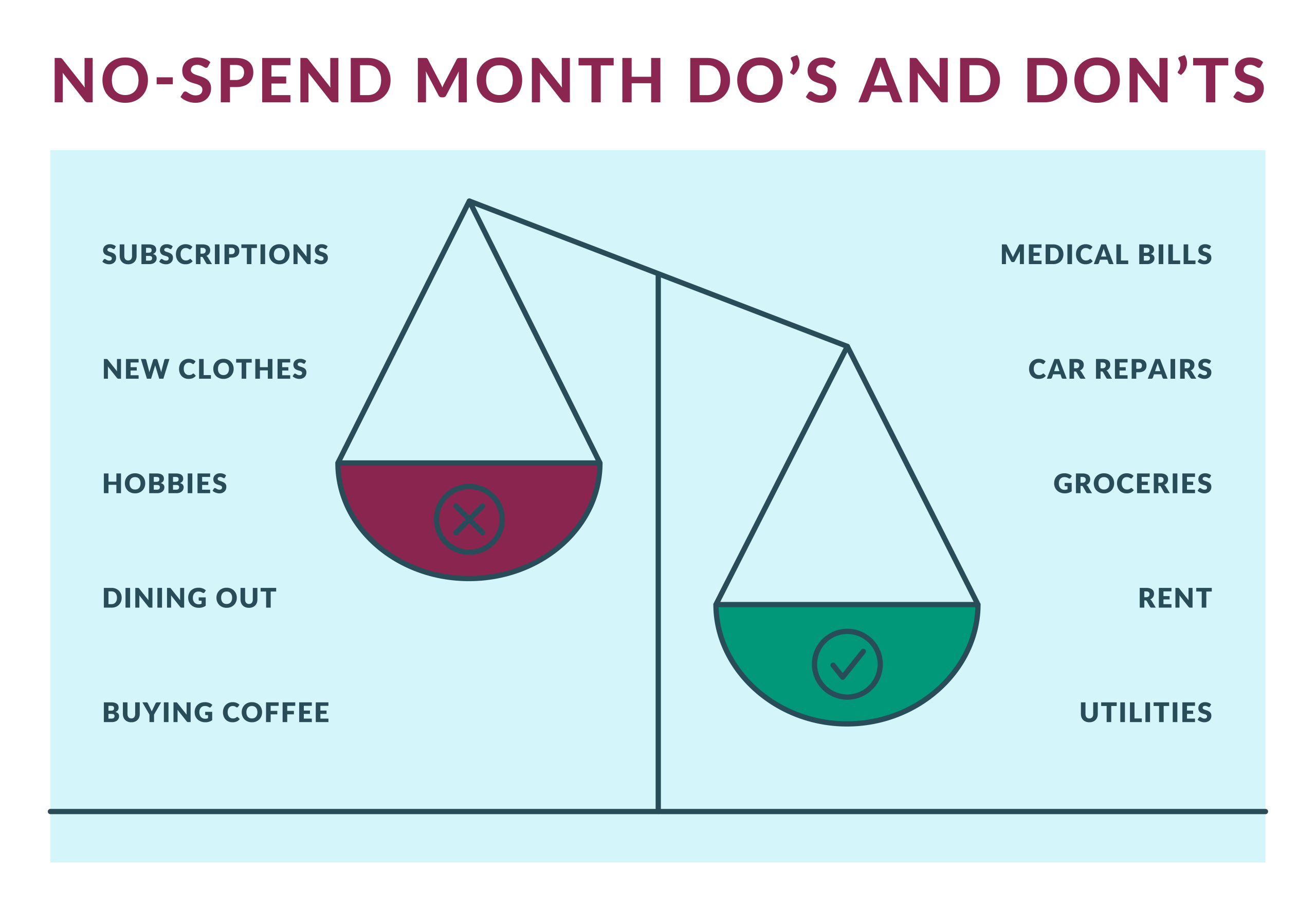
Building an emergency reserve becomes even easier when paired with smart spending challenges. Many people using the Side hustle funding emergency fund approach also adopt practical zero-spend practices to accelerate results.
One helpful strategy is participating in a zero-spend challenge, which encourages you to pause non-essential purchases, become more intentional about your finances, and redirect savings toward your emergency fund.
These challenges help reinforce mindful spending, improve budgeting habits, and reveal how much you can save when focusing solely on essentials.
For a deeper breakdown of how these challenges work — and tips to help you succeed — check out this guide from BuckzUp: https://buckzup.com/zero%E2%80%91spend-challenge-2025/?
Pairing a zero-spend mindset with reliable side-hustle income can dramatically increase how quickly your savings grow, helping you build safety and financial resilience with confidence.
Conclusion
Using a Side hustle funding emergency fund approach offers flexibility, resilience, and personal empowerment.
By directing extra income into a protected savings pool, you reduce your need to rely on expensive credit during emergencies and strengthen long-term financial stability.
From understanding ideal fund size to creatively increasing contributions, the strategies discussed help households manage crises confidently.
According to consumer financial guidance from trusted authorities like the Consumer Financial Protection Bureau, building an emergency reserve early and consistently is one of the most effective ways to protect your finances — their official guide offers evidence-based advice on emergency-fund planning and savings techniques (https://www.consumerfinance.gov/an-essential-guide-to-building-an-emergency-fund/).
Ultimately, prioritizing a structured emergency plan — supported by thoughtful budgeting, expense control, and reliable side-income — establishes a reliable safety net that keeps you prepared no matter what comes next.
FAQ – Managing Finances During Uncertain Times
What is the first step in managing my finances during uncertainty?
The first step is to create a realistic budget that outlines your essential expenses and helps you understand where your money is going.
How can I cut unnecessary expenses?
You can cut unnecessary expenses by reviewing your subscriptions, limiting impulse purchases, and finding more affordable alternatives for your needs.
Why is it important to build an emergency fund?
Building an emergency fund provides a financial cushion that can help you handle unexpected expenses and reduce stress during tough times.
How often should I check my financial situation?
It’s recommended to regularly check your financial situation and adjust your budget as necessary to stay informed and prepared for any changes.
Liked the article?