

Advertisements
In 2026, the foundation of property defense relies heavily on “Intelligent Peripheral Ecosystems.”
The insurance and home security industries have shifted from a reactive stance to a proactive “predict and prevent” model, where internet-of-things (IoT) data streams actively mitigate claims.
Driven by a significant consumer move toward automated property defense, homeowners are adopting highly integrated networks of smart home sensors.
Advertisements
By leveraging real-time tracking for environmental and security hazards, these connected devices actively lower risk profiles—allowing tech-forward residents to protect their properties while unlocking substantial, data-verified discounts on home insurance premiums.
Understanding smart home sensors
Understanding smart home sensors is essential for anyone interested in optimizing their home security and saving on insurance costs. These sensors are devices designed to monitor various aspects of your home environment.
By being aware of how they function and what types exist, you can make smart choices for both safety and savings.
What are smart home sensors?
Smart home sensors are electronic devices that collect data from the environment and communicate that information to a central system or your smartphone.
They can detect things like temperature, motion, sound, and even light.
Types of sensors that affect insurance discounts
There are several types of sensors that can contribute to lower insurance premiums:
- Motion detectors
- Smoke and carbon monoxide detectors
- Water leak sensors
- Smart door/window sensors
Each type plays a specific role in enhancing the security and safety of your home. For example, water leak sensors can alert you to leaks before they cause severe damage, potentially saving you thousands.
By integrating these devices into your home, not only do you enhance your safety, but you also make your property more appealing to insurance companies.
They often reward homeowners with discounts for having smart systems in place.
Benefits of using smart home sensors
Using smart home sensors can have numerous advantages. They provide real-time data, ensuring you’re always informed about your home’s status.
You can receive alerts directly to your phone, allowing for prompt action when necessary.
Moreover, they can be easily integrated with other smart home devices, creating a comprehensive system that works seamlessly together.
Every additional layer of protection can reduce risks, further lowering your insurance costs.
Investing in smart home sensors is not only a step toward a more secure living space but also a smart financial decision in the long run.
Types of sensors that affect insurance discounts

When it comes to types of sensors that affect insurance discounts, understanding their specific functions is key to making your home safer and more efficient.
Different sensors play a crucial role in protecting your home while potentially lowering your insurance premiums.
Motion Detectors
Motion detectors are common in smart home systems. They can sense movement within designated areas. This feature is vital for preventing break-ins.
If an intruder is detected, you’ll receive immediate alerts on your smartphone, allowing you to take action.
Smoke and Carbon Monoxide Detectors
These sensors are essential for safety. Smoke detectors can warn you of fire, while carbon monoxide detectors alert you to dangerous gas levels.
Many insurance companies offer discounts for homes installed with these devices. They can significantly reduce risks and save lives.
- Instant alerts to prevent hazards
- Lower insurance premiums
- Peace of mind for homeowners
- Integration with other smart devices
Every sensor offered adds a layer of protection. Consider installing a combination of these devices to maximize safety and discounts.
Water Leak Sensors
Water leaks can cause extensive damage to your home. A water leak sensor detects moisture and sends alerts before it becomes a significant issue.
This capability is crucial as homeowners with these sensors often receive additional discounts from insurers.
By installing water leak sensors, you not only protect your property but also make your insurance company more likely to offer a reduced premium. Think about how much you could save and the potential damage you could prevent.
Smart Door/Window Sensors
Smart door and window sensors monitor your home’s entry points. They alert you if doors or windows are opened unexpectedly. This feature can act as a deterrent to burglars and is often recognized by insurance companies.
Having these sensors installed signals to insurers that you take security seriously. They can lead to substantial savings on your insurance policy over time.
How smart home sensors improve safety
How smart home sensors improve safety is a vital topic in today’s technology-driven world. These sensors serve to protect your home by providing real-time monitoring and immediate alerts.
By integrating them into your home, you enhance your security measures and greatly benefit your living environment.
Enhanced Alert Systems
Smart home sensors are designed to keep you informed about potential dangers, like fires or burglaries. They can detect smoke, carbon monoxide, and unauthorized entry.
When these events occur, you receive instant notifications on your mobile device, allowing for quick action.
Remote Monitoring
With smart sensors, you can monitor your home from anywhere. Whether at work or on vacation, you stay connected to your home.
This capability gives peace of mind where traditional systems might fail. You can check live feeds or receive alerts even from a distance.
- Access to real-time data
- Monitor security cameras remotely
- Control devices from anywhere
The ability to manage your home remotely significantly reduces the risk of damage. For instance, receiving an alert about a water leak allows you to take immediate action before serious harm occurs. Safety becomes proactive rather than reactive.
Integration with Other Devices
Another fantastic feature of smart home sensors is their ability to integrate with other smart devices. This system creates a comprehensive safety network.
For example, if a smoke detector signals danger, your smart thermostat could shut off to prevent the spread of smoke.
Additionally, linking security cameras, motion detectors, and lighting systems can help deter burglars. When sensors detect movement, they can automatically turn on lights, making it clear that someone is home.
Implementing these smart devices can profoundly enhance your home’s safety. As technology advances, the effectiveness of these sensors only increases, making your home a safer place for you and your family.
Selecting the right sensors for your home
Selecting the right sensors for your home can significantly impact your security and convenience. With many options available, it’s essential to consider your specific needs to ensure you choose devices that truly enhance your safety.
Assessing Your Home’s Needs
Before purchasing sensors, evaluate the unique characteristics of your home. Consider factors like the size of your space and the entry points that require monitoring.
Are there areas that might be prone to water leaks or excessive heat? Understanding these elements helps in choosing the most suitable sensors.
Types of Sensors to Consider
Here are key types of sensors you should think about:
- Motion Sensors: Great for monitoring both indoor and outdoor areas.
- Door/Window Sensors: Ideal for alerting you when an entry point is opened.
- Smoke Detectors: Essential for fire safety.
- Water Leak Sensors: Crucial if your home has plumbing systems.
Each type serves a different purpose, and combining them can create a comprehensive safety network.
Compatibility with Existing Systems
When selecting smart home sensors, ensure they are compatible with your existing home automation system. Integration with devices like smart speakers or hubs can simplify usage and enhance functionality.
If your sensors can communicate with other smart devices, it allows for automated responses to alarms. For example, if a motion sensor detects movement, it can trigger outdoor lights or send you an alert.
Besides compatibility, consider the installation process. Some sensors are easy to install by yourself, while others may require professional assistance. Choose based on your comfort level with technology.
Budget Considerations
While quality is essential, it’s also vital to stay within your budget. Determine how much you are willing to invest in home security.
This decision may influence the types of sensors you can afford. Be sure to balance your desire for high-tech features with practical financial planning.
Ultimately, selecting the right sensors means understanding your needs, ensuring compatibility, and managing your budget wisely. A well-thought-out selection process can lead to a safer and more secure home.
Potential savings on insurance premiums
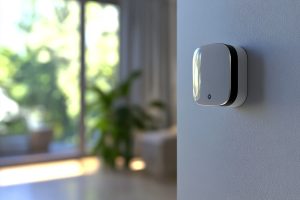
Potential savings on insurance premiums can be significant when homeowners invest in smart home sensors. These sensors not only enhance security but also provide financial benefits that can lead to lower insurance costs.
Understanding Insurance Discounts
Insurance companies often offer discounts to policyholders who implement safety measures in their homes.
By installing smart home sensors, you signal to your insurer that you are actively reducing risks associated with theft, fire, and water damage. Many insurers recognize the value of these installations.
Types of Discounts Available
Here are some common types of discounts you might receive:
- Home Security System Discount: A discount for having a comprehensive security system with monitoring.
- Fire Safety Discount: For properties equipped with smoke and CO detectors.
- Water Damage Prevention Discount: For homes with water leak sensors.
- Bundling Discounts: Combining home and auto insurance can lead to additional savings.
Each of these discounts can add up, providing substantial savings that make smart sensors a wise investment.
Quantifying Your Savings
To calculate potential savings, start by contacting your insurance provider. They can provide details on specific discounts available based on your smart home technology.
Many homeowners report savings ranging from 5% to 20% on their premiums.
These discounts not only benefit your wallet but also encourage a more proactive approach to home safety.
When you invest in home security, you reduce the likelihood of claims, creating a win-win scenario for both you and your insurer.
The Long-Term Benefits
Beyond immediate discounts, the installation of smart home sensors leads to long-term financial benefits. By preventing disasters like water leaks or fires, you avoid costly repairs and claims.
This proactive approach to home safety results in lower overall expenses, providing peace of mind and security.
In summary, the potential savings on insurance premiums from investing in smart home sensors are substantial.
With various discounts available and the decrease in risk, it’s clear that these devices make both financial and practical sense for homeowners.
Future trends in smart home technology
Future trends in smart home technology are shaping the way we interact with our living spaces.
With rapid advancements, these technologies continue to evolve, offering innovative features that enhance convenience, comfort, and security in our homes.
Increased Integration with AI
One of the most exciting trends is the integration of artificial intelligence (AI) into smart home devices. AI can learn user habits and preferences, allowing for customized experiences.
For instance, your thermostat can adjust temperatures based on your daily routine, ensuring optimal comfort while saving energy.
Improved Interconnectivity
Smart home devices are becoming more interconnected. This means that different devices can communicate with each other, creating a more cohesive home system.
For example, when a motion sensor detects movement, it can trigger lights to turn on, enhancing security and convenience.
- Seamless operation between devices.
- Centralized control through smartphone apps.
- Enhanced automation capabilities.
This level of integration not only simplifies device management but also contributes to a smarter, more efficient home.
Focus on Energy Efficiency
As concerns about energy consumption grow, future smart home technologies will focus heavily on energy efficiency.
Smart energy management systems will help reduce energy waste by optimizing appliance usage according to peak and off-peak times. Homeowners can monitor their consumption in real-time and make adjustments accordingly.
Enhanced Security Features
Security continues to be a priority in smart home technology. Future systems will feature advanced surveillance, such as facial recognition cameras and automated locks.
These innovations will improve home security and give homeowners greater peace of mind.
A rise in smart sensors that alert homeowners about potential threats, like water leaks or intrusions, will also become the norm.
These proactive measures can help prevent costly damage and provide home safety on a new level.
Greater Focus on User Experience
Developers are placing a greater emphasis on user experience. Future smart home technologies will prioritize intuitive interfaces, making it easy for anyone to navigate and operate their devices.
Voice control and gesture recognition will likely become common features, providing added convenience.
As these trends unfold, staying informed about innovations in smart home technology will help homeowners make the best choices.
Embracing these advancements offers not only convenience but also long-term benefits for home security and energy efficiency.
Looking Ahead
As smart home technology continues to advance, homeowners have access to tools that significantly enhance security and convenience.
By integrating smart sensors, you can protect your home while potentially saving on insurance premiums. Understanding the options available, assessing your needs, and staying informed about future trends will help you make the best decisions.
This proactive approach ensures a safer and smarter living environment for you and your family.
Ultimately, building a resilient home ecosystem comes down to selecting high-quality hardware components that integrate seamlessly into your preferred automation platform.
For those ready to explore and procure specialized equipment to custom-build their domestic defense array, a diverse marketplace of components is available through the Home Controls Home Automation Sensors collection.
FAQ – Frequently Asked Questions about Smart Home Sensors
What are the benefits of installing smart home sensors?
Smart home sensors enhance security, provide real-time alerts, and can lead to potential savings on insurance premiums.
How can smart sensors help reduce insurance costs?
Many insurance companies offer discounts for homes equipped with smart sensors, as they reduce the risk of accidents and theft.
Are smart home sensors easy to install?
Most smart home sensors are easy to install and many can be set up by homeowners without professional help.
What types of smart home sensors should I consider?
Consider installing motion detectors, smoke alarms, carbon monoxide detectors, and water leak sensors for comprehensive protection.