

Advertisements
In 2026, environmental disaster management operates under a framework of “Predictive System Hardening.”
As climate volatility and insurance premiums climb, communities are shifting from reactive recovery to proactive risk reduction.
This update covers Wildfire and Flood Mitigation for Lower Rates—focusing on how structured neighborhood engagement, defensible space creation, and early warning technologies work together to protect lives, build structural resilience, and lower property risk profiles.
Advertisements
Understanding the impact of wildfires and floods
Understanding the impact of wildfires and floods is essential for any community at risk. These natural disasters can cause severe damage, both to the environment and to human lives.
By grasping their effects, we can take proactive measures to mitigate the risks.
Economic Consequences
Wildfires and floods often lead to significant economic losses. These disasters can destroy homes, infrastructure, and farmland, resulting in expensive repairs and longer recovery times.
- Loss of property value
- Increased insurance costs
- Job losses in affected areas
- Impact on local businesses
The economic burden of recovery can strain local governments and hinder future growth. Moreover, the psychological toll on residents cannot be overlooked, as many struggle with anxiety and stress even long after recovery efforts are complete.
Environmental Effects
The environmental impacts of wildfires and floods are equally alarming. Wildfires can lead to soil erosion and loss of habitats, while floods can contaminate water supplies and destroy ecosystems. The aftermath often requires years of restoration.
For example, burned areas may take a long time to regenerate, while floodplains often need human intervention to recover.
It’s crucial to recognize that these disasters do not merely affect the immediate area; they can alter weather patterns and ecological balances for years.
Effective planning and community awareness can significantly reduce the detrimental impact of these events.
From implementing stronger building codes to enhancing natural barriers, there are many ways communities can become more resilient. By understanding the risks associated with wildfires and floods, we can better prepare and protect our communities.
Key strategies for wildfire mitigation
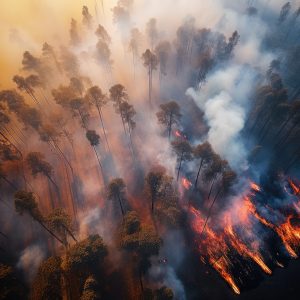
Key strategies for wildfire mitigation can significantly reduce the risks associated with wildfires. Implementing these strategies helps protect homes, ecosystems, and lives. Communities that are prepared can manage risks more effectively.
Creating defensible space
One of the most important strategies is creating defensible space around properties. This involves clearing flammable materials and maintaining landscaping that is resistant to fire.
- Remove dead or dry vegetation.
- Use fire-resistant plants.
- Space trees appropriately to reduce fire spread.
- Store wood and propane away from the home.
By developing a buffer zone, property owners can greatly decrease the chances that their home will catch fire during a wildfire.
Improving building materials
Another effective strategy is to use fire-resistant building materials. Homes constructed with these materials can withstand heat and flames better than traditional ones.
Common fire-resistant materials include:
- Stucco, brick, or stone siding
- Metal roofs
- Double-paned windows
- Fire-rated doors
Updating existing homes with these materials can enhance safety. Additionally, ensuring roofs are clear of debris is essential to prevent sparks from igniting a fire.
Community preparedness programs
Community programs play a vital role in wildfire mitigation. When neighborhoods are engaged, they can work together to implement strategies that promote safety.
These programs often include:
- Fire drills to practice evacuation plans
- Workshops on wildfire risks and preventive measures
- Collaboration with local fire departments for resources and guidance
Educating residents about the importance of being proactive can foster a culture of safety and awareness.
Ultimately, a combination of these strategies will create a more resilient community. By understanding and implementing effective wildfire mitigation tactics, individuals can significantly lower their risks and enhance their safety.
Effective flood mitigation methods
Effective flood mitigation methods are essential in protecting communities from the devastation caused by floods.
By implementing proper techniques, it’s possible to reduce the impact of flooding on homes and infrastructure. These methods involve a combination of planning, engineering, and community awareness.
Natural floodplain restoration
One effective method is restoring natural floodplains. When wetlands and floodplains are preserved or restored, they can absorb excess water during heavy rainfall.
- Increases water retention
- Reduces runoff and erosion
- Provides habitat for wildlife
- Improves water quality
This strategy not only helps manage floodwaters but also enhances local ecosystems, making areas more resilient to future flooding.
Building resilient infrastructure
Constructing resilient infrastructure is another critical method. Buildings and roads should be designed to withstand flooding. Using materials that can tolerate wet conditions is vital.
- Elevating structures above flood levels
- Installing flood barriers around properties
- Using permeable pavement to reduce runoff
- Creating retention basins for stormwater management
Such measures can significantly lower the risk of flood damage and ensure safer living conditions for residents.
Community engagement and education
Community engagement is crucial for effective flood mitigation. When residents understand the risks and the measures they can take, they become proactive in preventing flood damage.
Programs that educate the public about flood risks and preparedness are beneficial. These programs often include:
- Workshops on flood prevention techniques
- Emergency preparedness training
- Community cleanup days to clear drainage ditches
Encouraging residents to participate in community planning can lead to more innovative solutions tailored to specific local needs. Engaged communities are better equipped to adapt and respond to flooding challenges.
Community involvement in disaster preparedness
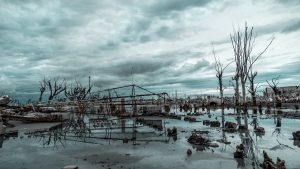
Community involvement in disaster preparedness is vital to reducing risks during emergencies.
When residents actively participate in planning and response efforts, it creates stronger, more resilient neighborhoods. Engaged communities are better equipped to face challenges like wildfires and floods.
Creating local action plans
One key aspect of community involvement is developing local action plans. These plans outline the steps neighbors should take before, during, and after a disaster.
- Identify evacuation routes and shelters.
- Establish communication methods to stay informed.
- Plan for special needs, such as the elderly or disabled.
- Conduct regular community drills to practice the plan.
When everybody knows their role, they can respond more quickly and effectively when a disaster strikes.
Building partnerships with local organizations
Another effective strategy is forming partnerships with local organizations. Collaborating with fire departments, schools, and nonprofits can enhance disaster preparedness efforts.
These organizations often provide resources and training, such as:
- Emergency response training workshops
- First aid and CPR certification classes
- Information on mitigation techniques
- Access to disaster relief resources
By pooling resources and knowledge, communities can create a comprehensive approach to disaster preparedness.
Encouraging volunteerism
Encouraging volunteerism is crucial for fostering a culture of preparedness. Local events can motivate residents to contribute their time and skills.
Volunteers can engage in various activities, such as:
- Organizing community clean-up days
- Building emergency kits for neighbors
- Planning educational workshops on safety
- Engaging with local government on preparedness initiatives
When individuals feel involved, they are more likely to take the necessary actions to protect themselves and their community.
How technology aids in mitigation efforts
How technology aids in mitigation efforts is a crucial topic for communities facing the threats of wildfires and floods. Modern technology provides various tools to help predict, prepare for, and respond to these disasters effectively.
Early warning systems
One of the most significant advancements in technology is the development of early warning systems. These systems use meteorological data to provide timely alerts about potential disasters.
- Real-time weather monitoring alerts communities about storm patterns.
- Flood forecasting tools predict rises in water levels based on rainfall.
- Apps can send updates and safety information directly to residents.
- Automated alerts can help quickly evacuate areas at risk.
These systems can save lives by allowing people to take immediate action when a disaster is imminent.
Drones and aerial surveillance
Another practical use of technology in disaster mitigation is the use of drones. Drones provide aerial surveillance, which is essential during and after disasters.
They can:
- Map affected areas to assess damage.
- Deliver supplies to hard-to-reach places.
- Monitor wildfires’ progress in real-time.
- Help in search and rescue operations by spotting individuals from above.
This information helps responders allocate resources more efficiently and prioritize areas needing immediate attention.
Data management and analysis
Data management tools have revolutionized how communities prepare for floods and wildfires. By analyzing historical data, cities can identify vulnerable areas and develop effective strategies.
For example:
- Geographic Information Systems (GIS) help visualize risk zones.
- Data analytics predict which regions are most at risk during certain weather conditions.
- Communities can tailor their emergency plans based on this information.
Such data-driven approaches lead to better planning and resource allocation, minimizing the impact of disasters.
Evaluating the success of mitigation plans
Evaluating the success of mitigation plans is critical for understanding their effectiveness in preventing disasters. Regular assessments help communities improve their strategies and adapt to changing conditions.
Setting clear metrics
To evaluate a mitigation plan, it’s essential to establish clear metrics. These metrics provide benchmarks that can be tracked over time.
- Reduction in property damage during incidents.
- Improvement in emergency response times.
- Community awareness and preparedness levels.
- Cost-effectiveness of implemented strategies.
By measuring these factors, communities gain valuable insights into which methods work and which need adjustments.
Conducting regular drills and simulations
Another important method for evaluation is conducting regular drills and simulations. These exercises allow community members and responders to practice their roles.
During these drills, key aspects can be assessed, such as:
- Effectiveness of communication systems.
- Coordination among various teams.
- Efficiency of evacuation procedures.
- Public response to emergency alerts.
Such evaluations during drills reveal practical challenges and help identify areas for improvement.
Gathering community feedback
Collecting feedback from the community is essential in evaluating the success of mitigation efforts. Residents can offer unique insights based on their experiences during training and actual emergencies.
Surveys, community meetings, and informal discussions can provide valuable information, including:
- Perceived effectiveness of the mitigation strategies.
- Suggestions for improving safety measures.
- Personal experiences during past emergencies.
- Levels of community engagement in preparedness activities.
Engaging the community not only improves evaluation methods but also fosters a culture of safety and preparedness.
Conclusion
In conclusion, successful disaster mitigation requires a combination of community involvement, effective strategies, and the use of modern technology.
By engaging residents in preparedness efforts and evaluating their effectiveness, communities can enhance their resilience to wildfires and floods. Working together, we can create safer environments for everyone.
To explore how these structural programs provide direct financial and technical resources to eligible property owners—enabling cost-effective retrofitting and critical fuel modification tracking across high-priority areas—review the full framework via the California Wildfire Mitigation Program Hub through Cal OES.
FAQ – Frequently Asked Questions About Disaster Mitigation
What are effective strategies for wildfire mitigation?
Effective strategies include creating defensible spaces, using fire-resistant building materials, and engaging the community in preparedness efforts.
How can technology help in disaster preparedness?
Technology aids in disaster preparedness through early warning systems, drones for surveillance, and data management tools for better planning.
Why is community involvement important in disaster preparedness?
Community involvement fosters a culture of safety, enhances preparedness efforts, and ensures that local knowledge is incorporated into planning.
How do we evaluate the success of our mitigation plans?
Success can be evaluated by setting clear metrics, conducting regular drills, and gathering community feedback to identify areas for improvement.