
Advertisements
Wildfire insurance coverage crisis California reflects rising fire risk, higher rebuilding costs, tighter underwriting, and reduced insurance availability in some communities.
For homeowners, the challenge is not only finding coverage but understanding limits, deductibles, rebuilding protection, and possible alternatives.
Knowing how wildfire risk affects insurance can help families make better decisions about coverage, mitigation, and long-term financial planning.
Advertisements
Understanding Wildfire Insurance Policies
Understanding wildfire coverage is essential for California homeowners, particularly in communities exposed to elevated fire risk.
Many homeowners policies include fire damage, but coverage terms, deductibles, exclusions, limits, and availability can vary substantially between insurers.
Homeowners should review their policy carefully instead of assuming that every wildfire-related expense will automatically be covered.
What Do Wildfire Insurance Policies Typically Cover?

Coverage commonly begins with damage to the insured home and other covered structures when a fire damages the property.
Depending on the policy, homeowners may also receive coverage for personal belongings, temporary living costs, and debris removal.
The amount available depends on policy limits, replacement-cost provisions, deductibles, and the specific terms stated in the contract.
- Property damage caused by covered fire events
- Rebuilding or repair expenses within policy limits
- Additional living expenses when covered displacement occurs
- Debris removal when included in the policy
Factors to Consider When Choosing a Policy
Location is one of the most important factors because insurers evaluate vegetation, terrain, fire history, access, and nearby emergency resources.
Homeowners should also compare replacement-cost coverage, deductibles, dwelling limits, exclusions, and requirements for property mitigation.
Reviewing coverage regularly is important because rebuilding costs and wildfire risk can change considerably over time.
- Your home’s location and surrounding wildfire exposure
- Replacement cost versus actual cash value
- Deductibles, premiums, and coverage limits
- Possible mitigation requirements for eligibility
Factors Driving the Coverage Crisis
Several forces contribute to the wildfire insurance coverage crisis California, including catastrophic fire losses and rising reconstruction expenses.
Insurers also use increasingly detailed risk models when deciding where to offer coverage and how to price policies.
These pressures can result in higher premiums, stricter underwriting, nonrenewals, or fewer standard-market options in vulnerable areas.
The Impact of Wildfire Frequency
Repeated wildfire losses can significantly increase the amount insurers expect to pay in high-risk communities.
As projected losses rise, companies may tighten underwriting standards or limit new policies in areas considered especially vulnerable.
For homeowners, this can mean fewer choices and more difficulty comparing affordable coverage with adequate protection.
- Continued development in wildfire-prone areas
- Reduced availability from some insurance carriers
- Changing underwriting and regulatory conditions
Regulatory Challenges
California’s insurance market involves a balance between consumer protection, insurer solvency, pricing rules, and access to coverage.
When insurers believe premiums do not adequately reflect projected losses, they may reduce exposure or become more selective about new business.
Regulatory reforms can therefore influence whether companies expand, restrict, or modify their presence in wildfire-prone communities.
Impact on Homeowners and Communities
The wildfire insurance coverage crisis California can create substantial financial pressure for individual homeowners.
Higher premiums or policy nonrenewals can force households to search for alternative coverage with different limits, terms, or costs.
These problems can also affect entire communities when insurance availability influences home sales, mortgages, and local investment.
Financial Burden on Families
Premium increases can consume a larger share of household budgets, especially for owners in areas identified as high risk.
Homeowners may also face higher deductibles or increased costs for required mitigation improvements before coverage is offered.
For properties with mortgages, maintaining adequate insurance can be especially important because lenders generally require coverage.
- Higher household insurance expenses
- Potential pressure on property marketability
- Greater difficulty satisfying insurance requirements for mortgages
Community Resilience Initiatives
Communities can reduce wildfire exposure through vegetation management, defensible-space programs, evacuation planning, and infrastructure improvements.
Local education programs can also help residents understand practical steps for protecting homes and preparing for emergencies.
Coordinated action between residents, firefighters, local governments, and insurers may strengthen resilience even when risk cannot be eliminated.
Potential Solutions for the Crisis
Addressing the wildfire insurance coverage crisis California requires action from homeowners, communities, insurers, and public agencies.
Property mitigation can reduce exposure, while broader landscape management may lower risk across neighborhoods and surrounding areas.
Insurance-market reforms and better risk information may also help improve the connection between prevention efforts and available coverage.
Developing Community-Based Programs
Neighborhood programs can coordinate defensible-space improvements and provide residents with practical information about wildfire preparation.
Shared planning can be especially useful because wildfire risk often extends beyond individual property boundaries.
Community-level mitigation may also provide insurers with better evidence that an area is actively reducing preventable exposure.
- Organizing local wildfire-preparedness resources
- Creating information networks for homeowners
- Sharing guidance about insurance and mitigation options
Government Involvement
Public agencies can support wildfire prevention through grants, vegetation management, building standards, and community resilience programs.
Regulatory policies can also influence how insurers incorporate risk models and mitigation measures into underwriting decisions.
Better public data on wildfire exposure may help homeowners and insurers understand risk with greater precision.
Navigating the Insurance Market
Finding coverage during the wildfire insurance coverage crisis California may require more comparison than in a less restricted insurance market.
Homeowners should compare both price and protection, paying close attention to dwelling limits, deductibles, exclusions, and additional living expenses.
An affordable premium provides limited value if the policy would leave a major rebuilding shortfall after a severe loss.
Understanding Policy Differences
Two policies with similar premiums can provide very different financial protection after a wildfire.
Replacement-cost limits, personal property coverage, temporary housing, and rebuilding provisions should all be compared carefully.
Asking questions before purchasing can help homeowners understand exactly what the policy does and does not provide.
- Coverage available for fire-related property damage
- Premiums and deductibles
- Dwelling and rebuilding limits
Using Online Tools and Resources
Online comparison tools can help homeowners identify insurers and gather preliminary information about available policies.
However, quotes should be reviewed carefully because similar-looking products may contain important differences in limits and exclusions.
Insurance agents, brokers, and official state resources can provide additional guidance when standard coverage is difficult to obtain.
Future Outlook for Wildfire Coverage
The future of wildfire insurance in California will depend on loss trends, mitigation efforts, regulation, rebuilding costs, and insurer participation.
Underwriting is likely to remain increasingly data-driven as insurers attempt to distinguish risk at the property and neighborhood level.
Homeowners may therefore benefit from documenting mitigation improvements and regularly reviewing how their property is evaluated.
Technological Advancements
Insurance companies increasingly use mapping, satellite imagery, property data, and predictive analytics to evaluate wildfire exposure.
More precise risk modeling may eventually allow insurers to differentiate between properties within the same broad geographic area.
Whether that leads to lower pricing depends on insurer practices, regulatory rules, and the measurable effectiveness of mitigation.
- More detailed wildfire risk assessment models
- Property-specific underwriting information
- Improved monitoring of changing environmental conditions
Community Resilience Initiatives
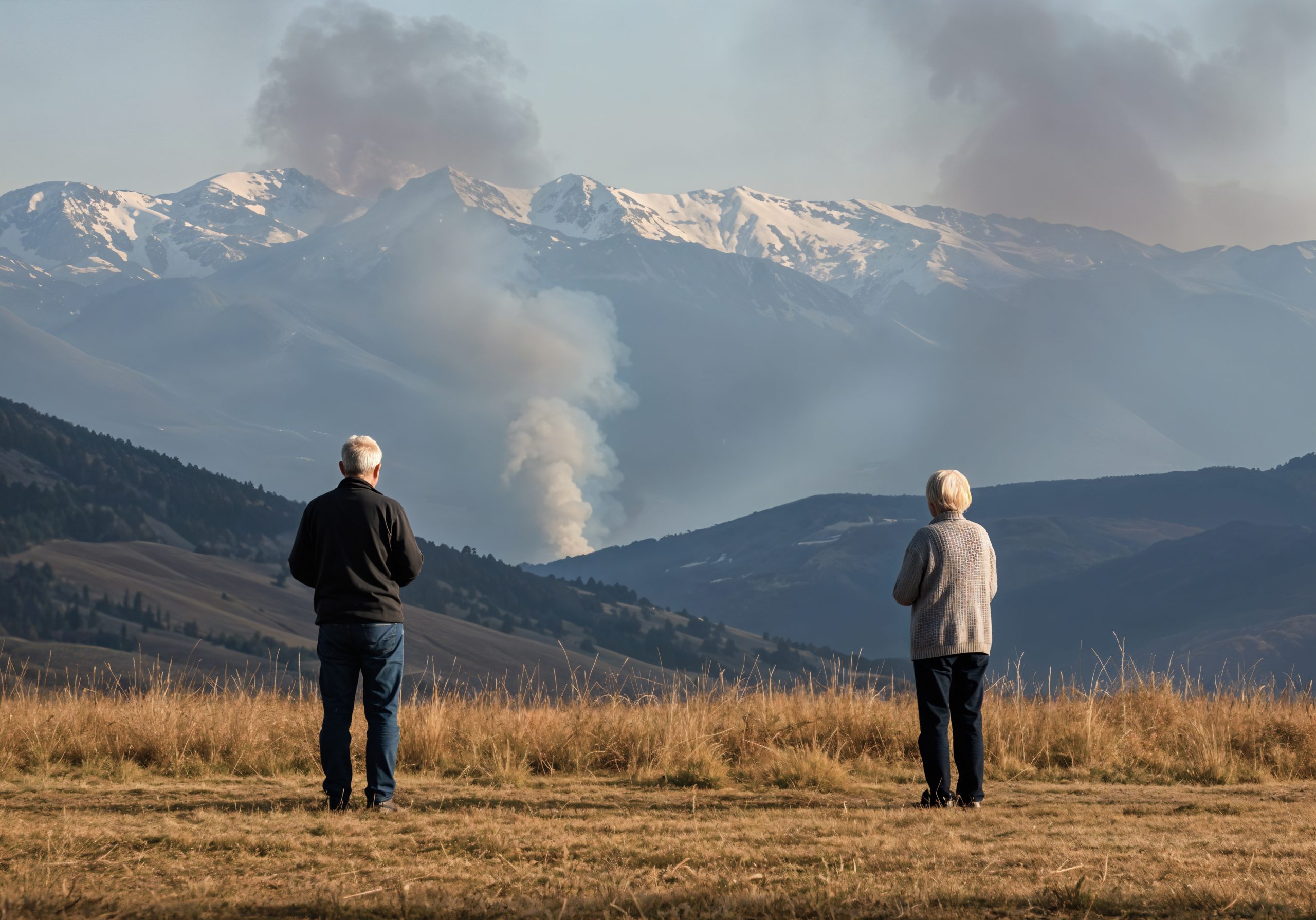
Community resilience programs may become increasingly important as insurers evaluate risk beyond the boundaries of individual properties.
Wildfire preparedness, vegetation management, evacuation planning, and fire-resistant improvements can collectively reduce potential losses.
Partnerships between local governments, residents, and insurers may create opportunities to connect prevention work with insurance availability.
The outlook for wildfire coverage remains complex, making ongoing review particularly important for homeowners.
Conclusion
The wildfire insurance coverage crisis California reflects the interaction of wildfire losses, rebuilding expenses, insurance economics, and regulatory conditions.
Homeowners can respond by understanding coverage, comparing policies carefully, improving property resilience, and monitoring changes in the insurance market.
Although no strategy removes wildfire risk completely, informed planning can reduce financial surprises and improve preparedness.
FAQ – Frequently Asked Questions About Wildfire Insurance Coverage
What factors are driving the wildfire insurance coverage crisis?
Major factors include severe wildfire losses, rebuilding costs, high-risk development, changing underwriting models, and challenges within California’s insurance market.
How can homeowners protect their properties from wildfires?
Homeowners can maintain defensible space, reduce combustible vegetation, consider fire-resistant materials, and follow local wildfire-preparedness recommendations.
What role does technology play in wildfire insurance?
Insurers increasingly use mapping, property data, remote sensing, and analytical models to estimate wildfire exposure and support underwriting decisions.
How can communities improve their wildfire preparedness?
Communities can coordinate vegetation management, emergency planning, public education, evacuation preparation, and other resilience measures with local agencies.